
Compared with other lithium-ion chemistries, such as lithium nickel manganese cobalt oxide (NMC) and lithium cobalt oxide (LCO), LiFePO4 batteries generally offer higher thermal stability and lower risk of thermal runaway.
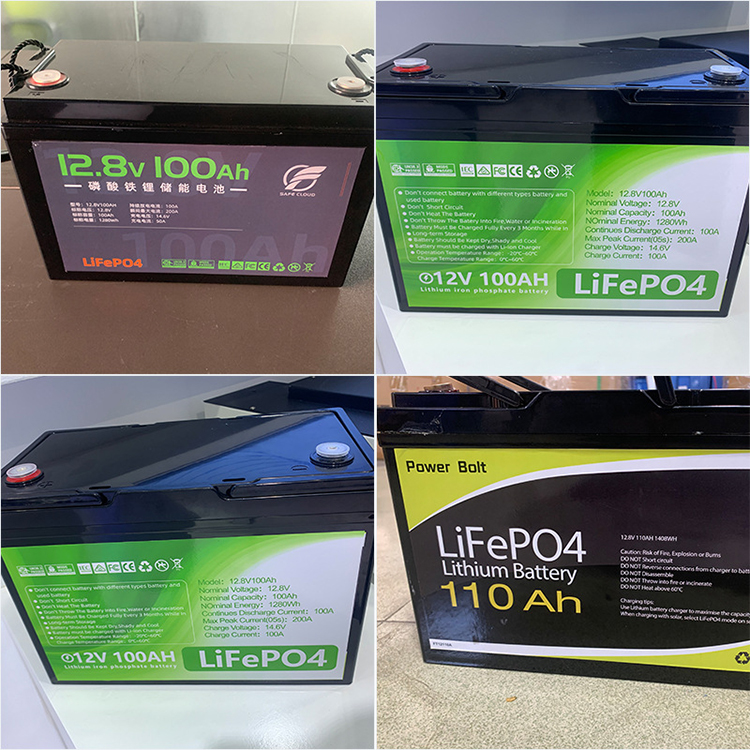
Key safety features include:
Higher thermal stability: LiFePO4 chemistry is less prone to overheating under high temperatures or internal short circuits.
Lower fire risk: The phosphate-based cathode is more stable than cobalt- or nickel-based cathodes.
Better performance under stress: LiFePO4 batteries can handle higher charge/discharge rates without significant safety concerns.
However, safety depends on the full battery system design, including cell quality, battery management system (BMS), and manufacturing standards. Proper thermal management and protective circuitry are essential for any lithium battery.
Battery lifespan is a major public concern, especially for applications such as home energy storage and electric vehicles. LiFePO4 batteries are known for their long cycle life.
Cycle life: LiFePO4 batteries can typically last 2,000 to 5,000 cycles under normal use, depending on depth of discharge and operating conditions.
Calendar life: Under proper conditions, these batteries can last 8 to 15 years in stationary storage applications.
Performance retention: LiFePO4 chemistry generally maintains capacity better over time compared with some other lithium chemistries.
The longer lifespan makes LiFePO4 batteries attractive for applications where long-term reliability and reduced replacement cost are priorities.
Environmental impact is a growing concern among consumers and industry stakeholders. LiFePO4 batteries have advantages and limitations in this regard.
Lower use of critical metals: LiFePO4 does not require cobalt or nickel, which are associated with high environmental and ethical concerns in mining.
Recyclability: Lithium iron phosphate cells are recyclable, though recycling processes are still evolving and may vary by region.
Energy intensity: Manufacturing lithium batteries remains energy-intensive, but the longer lifespan of LiFePO4 batteries can reduce overall environmental impact over their service life.
While LiFePO4 batteries are not completely free of environmental impact, their chemistry generally reduces reliance on certain critical metals and can offer a more sustainable option for long-term applications.
Suitability is a frequent concern because different applications require different battery characteristics. LiFePO4 batteries have strong advantages but also limitations.
Energy density: LiFePO4 batteries typically have lower energy density compared with NMC or LCO batteries. This means they can be heavier or larger for the same capacity.
Temperature performance: LiFePO4 batteries perform well in moderate temperatures, but cold weather can reduce their effective capacity and charging efficiency.
Cost and stability: LiFePO4 batteries are generally more affordable and stable, making them suitable for applications where size and weight are less critical.
For EVs where range and weight are key considerations, some manufacturers still prefer higher energy density chemistries. However, LiFePO4 is increasingly used in mass-market EVs, especially where cost and safety are prioritized.
LiFePO4 batteries have become a mainstream choice in many applications due to their safety, long cycle life, and lower reliance on critical metals. Public concerns about safety, lifespan, environmental impact, and suitability are valid and can be addressed through careful selection and proper system design. While they may not be the ideal choice for every scenario, LiFePO4 batteries offer a balanced option for many modern energy and mobility needs.

 Building 1 and 2, No. 2269, Jingzhong Road, Hongjia Street, Taizhou, Zhejiang, China
  +86-18857621312
  info@zinntu.com

 English
 русский
 عربى
عربى
