
Brushless DC (BLDC) thrust motors have become widely used in electric propulsion systems, including drones, model aircraft, and small electric vehicles. Their advantages include high efficiency, low maintenance, and good power-to-weight ratio. However, they also have limitations that are important for users and engineers to understand.
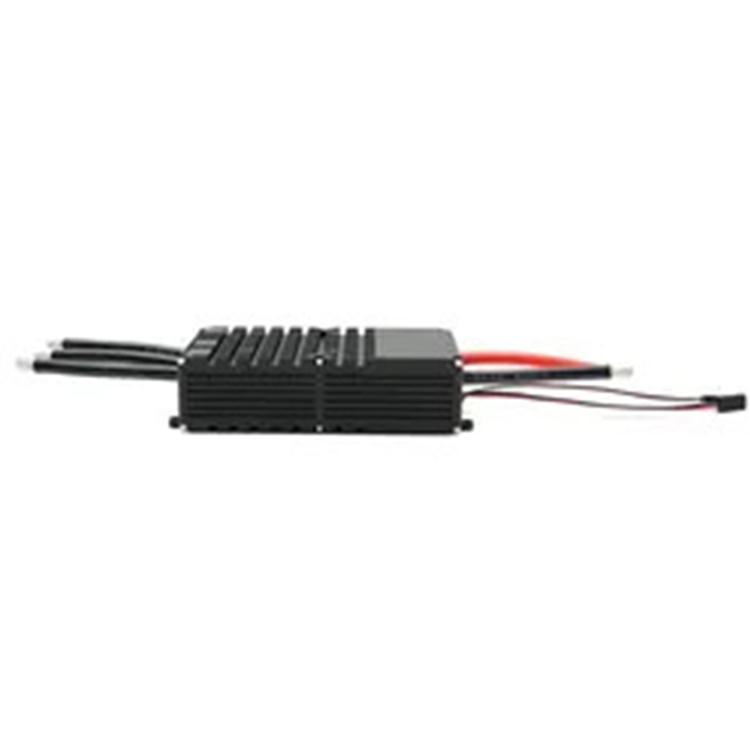
Brushless DC thrust motors, while efficient and reliable, have several notable shortcomings. One primary limitation is cost. Compared with brushed motors, BLDC motors generally require more complex electronic controllers (ESCs) and higher-quality components, which increases the overall system price.
Another drawback is the need for precise electronic control. BLDC motors require a compatible ESC and proper tuning to achieve stable performance. Poorly matched controllers or incorrect programming can bring about inefficiency, overheating, or loss of power.
Thermal management is also a concern. Although BLDC motors are more efficient than brushed motors, they still generate heat, especially under heavy load or continuous high-speed operation. Inadequate cooling can reduce motor life and performance.
BLDC thrust motors can be sensitive to rotor imbalance and mechanical vibration. Because they often operate at high RPM, any imbalance in the rotor or propeller can cause vibration, noise, and increased wear on bearings.
BLDC motors may have limited low-speed torque compared with some other motor types. This can be a factor in applications requiring strong initial torque or frequent starts and stops.
To correctly understand outrunner brushless motors for electric drones, it is important to recognize their structure, performance characteristics, and application suitability.
Understand the outrunner structure
Outrunner motors have a rotating outer shell (the stator is fixed inside), which increases torque output. This design allows lower RPM with higher torque, making them suitable for propeller-driven drones.
Match motor size to drone weight
Drone performance depends on the motor's thrust capacity relative to the drone's total weight. Proper sizing ensures stable flight, sufficient lift, and longer battery life.
Consider propeller compatibility
Outrunner motors work with specific propeller sizes and pitches. Larger props increase thrust but require more current. Matching the motor to the correct propeller is essential for efficiency and safe operation.
Evaluate power and efficiency
Efficiency is influenced by motor design, windings, and operating RPM. Choosing a motor with appropriate KV rating (RPM per volt) helps balance speed and torque.
Account for cooling and airflow
Drones generate airflow that helps cool motors, but prolonged high-load flight can still cause overheating. Monitoring motor temperature and ensuring adequate airflow improves longevity.
Use a suitable ESC
Outrunner BLDC motors require compatible ESCs. ESCs should support the motor's current draw and include safety features such as overcurrent protection.
Balance and vibration control
Proper propeller balancing and motor mounting reduce vibration, improving stability and extending motor life.
Power and Control Requirements
Electric skateboards require motors that can provide strong acceleration and stable speed control. BLDC motors are commonly used because they offer efficient power delivery and precise control through electronic speed controllers (ESCs). A key requirement for skateboard use is adequate torque, especially when climbing inclines or carrying heavier riders. In many electric skateboard systems, dual motors are used to increase power and improve handling. The ESC must support smooth throttle response and braking, and should include safety features such as overcurrent protection and temperature monitoring. Properly matched motor and controller combinations contribute to a reliable and responsive riding experience.
Installation and Maintenance Considerations
Installation of a BLDC motor on an electric skateboard involves mounting the motor to the truck, aligning the belt or gear drive, and ensuring proper tension. Misalignment or incorrect belt tension can cause wear, noise, and reduced efficiency. Maintenance includes regular inspection of bearings, belt condition, and motor mounts. BLDC motors typically require minimal maintenance compared with brushed motors, but they can be sensitive to dust and moisture. In wet conditions, protecting the motor and ESC from water ingress is important to prevent short circuits or corrosion. Riders should also monitor motor temperature during extended rides, as excessive heat can reduce motor lifespan and performance.

 Building 1 and 2, No. 2269, Jingzhong Road, Hongjia Street, Taizhou, Zhejiang, China
  +86-18857621312
  info@zinntu.com

 English
 русский
 عربى
عربى
