
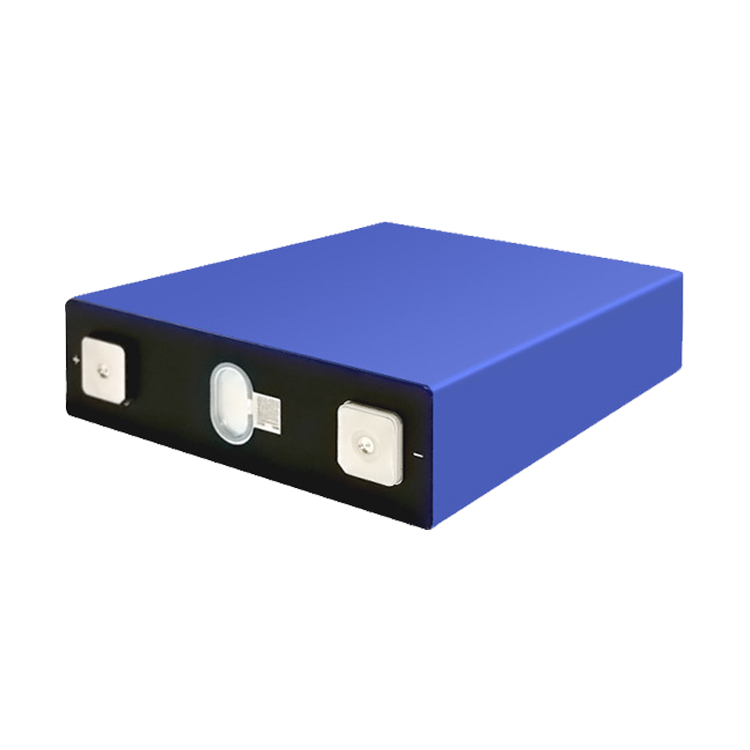
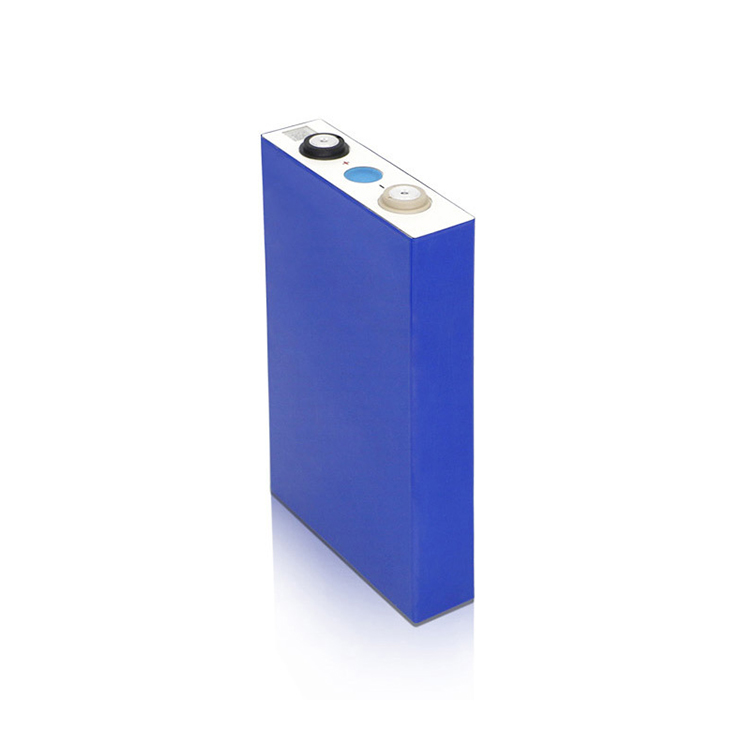
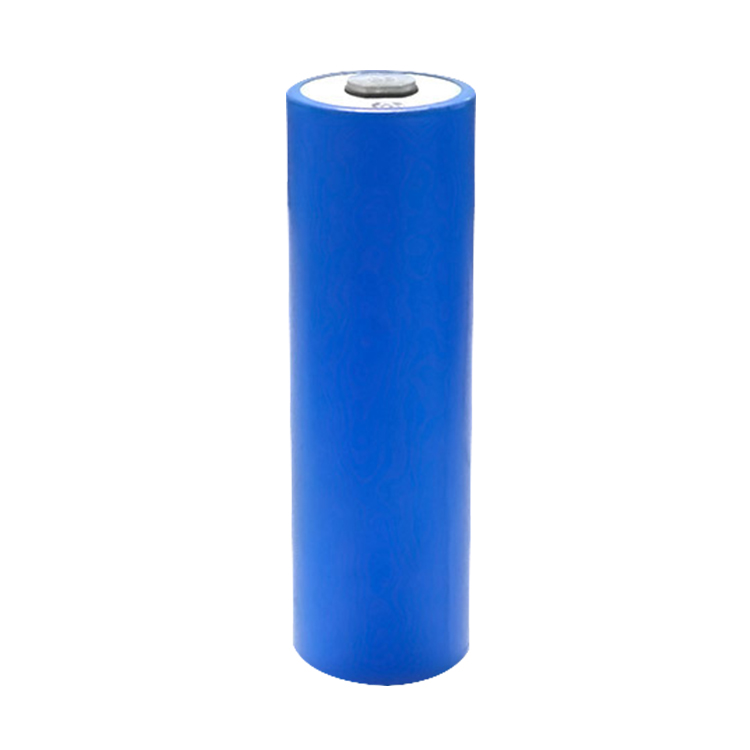
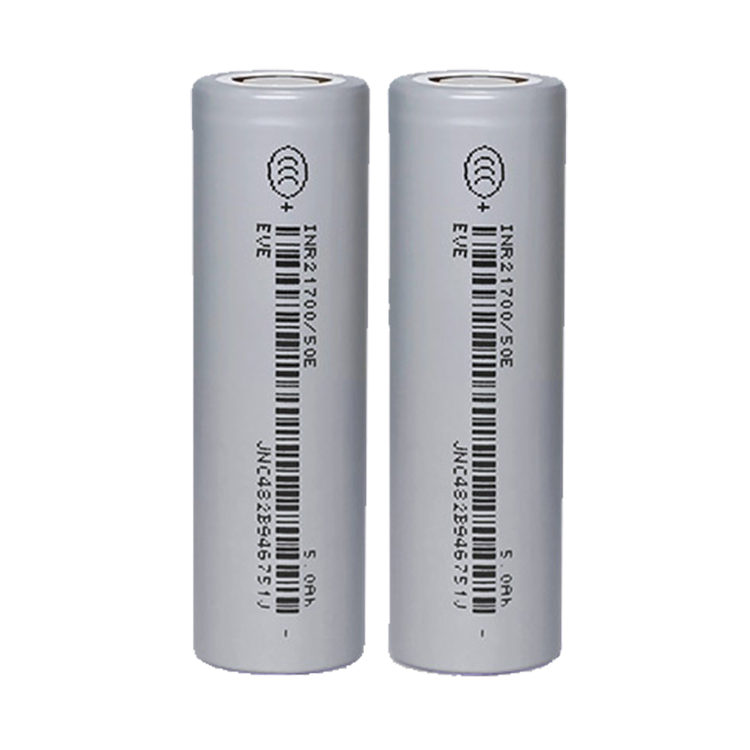
Ternary lithium batteries, often referred to as NCM (Nickel-Cobalt-Manganese) or NCA (Nickel-Cobalt-Aluminum) batteries depending on the specific chemical composition, are a type of lithium-ion battery known for their good energy density and efficiency. These batteries are commonly used in electric vehicles (EVs), renewable energy storage, and consumer electronics due to their powerful performance, long lifespan, and environmental benefits. The adoption of ternary lithium batteries is becoming increasingly widespread as industries and consumers demand more reliable, cost-effective, and environmentally friendly power sources.
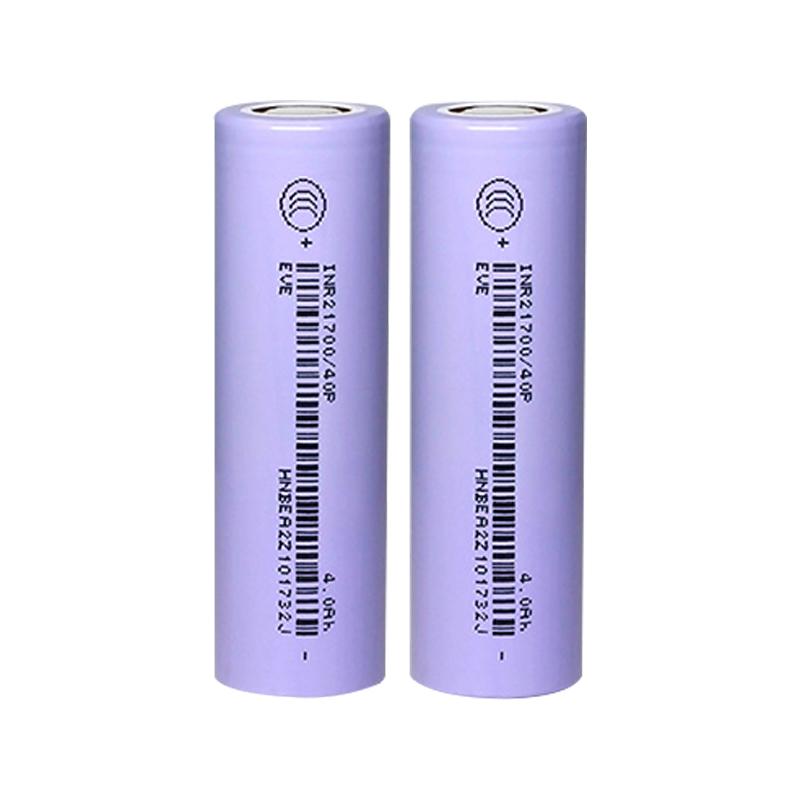
High Energy Density
One of the prominent characteristics of ternary lithium batteries is their high energy density. This refers to the amount of energy stored per unit of volume or weight. Ternary lithium batteries offer a higher energy density than many other types of lithium-ion batteries, such as lithium iron phosphate (LFP) batteries. This makes them particularly suitable for applications where space and weight are crucial, such as in electric vehicles, drones, and portable devices.
Ternary lithium batteries are composed of a mixture of nickel, cobalt, and manganese, which provides a balance between performance and cost. The higher nickel content in these batteries increases the energy density, allowing them to store more power in a smaller and lighter package. This feature is essential for electric vehicles, as higher energy density translates to longer driving ranges without adding excessive weight, which could impact the vehicle's performance.
The high energy density of ternary lithium batteries also enables faster charging times compared to other battery technologies. In applications such as electric vehicles, this is a significant advantage, as it reduces downtime and enhances the overall user experience.
Long Lifespan and Durability
Another major advantage of ternary lithium batteries is their long lifespan. These batteries can withstand more charge and discharge cycles than many other battery types, making them ideal for long-term use in high-demand applications like electric vehicles and grid energy storage systems. The longevity of a battery is measured in terms of its cycle life—the number of charge and discharge cycles it can go through before its performance significantly degrades.
Ternary lithium batteries typically have a cycle life of 1,000 to 2,000 cycles, depending on the specific composition and use case. This is significantly higher than other types of lithium-ion batteries, such as LFP batteries, which often have a shorter lifespan, especially when used in high-drain devices. The longer lifespan of ternary lithium batteries reduces the frequency of replacements, making them more cost-effective over time.
In addition to their high cycle life, ternary lithium batteries maintain a more stable voltage throughout their lifespan. This contributes to better efficiency and performance, ensuring that devices or vehicles powered by these batteries operate consistently over a long period. With advancements in battery management systems, the lifespan of ternary lithium batteries can be further extended by optimizing charging and discharging rates.
Enhanced Safety Features
Safety is a critical concern in battery technology, especially as batteries are used in more demanding applications, including electric vehicles and large-scale energy storage systems. Ternary lithium batteries are considered to be safer than many other types of lithium-ion batteries due to their enhanced chemical stability and advanced safety features.
The chemical composition of ternary lithium batteries includes a balanced mix of nickel, cobalt, and manganese, which not only improves the energy density but also helps to stabilize the battery. The addition of manganese, for example, helps to prevent the occurrence of thermal runaway, a phenomenon where a battery overheats and causes a fire or explosion. Additionally, the inclusion of cobalt adds stability to the battery's chemistry, further enhancing its safety.
Many ternary lithium batteries also come with integrated battery management systems (BMS) that monitor and regulate the battery's temperature, voltage, and current. These systems ensure that the battery operates within safe parameters, reducing the risk of overheating or overcharging. This is particularly important in electric vehicles, where battery safety is critical to the overall safety of the vehicle and its occupants.
Environmental Impact and Sustainability
Ternary lithium batteries offer several environmental benefits compared to traditional lead-acid batteries and even some other lithium-ion technologies. One of the key advantages is their relatively lower environmental impact in terms of raw material sourcing and recycling potential.
While the production of ternary lithium batteries still involves the use of materials such as cobalt and nickel, which can have significant environmental and ethical concerns, the ability to recycle these materials is an important factor in reducing the overall impact. Many battery manufacturers are working to improve the recyclability of ternary lithium batteries, with some estimates suggesting that as much as 90% of the materials in these batteries can be recovered and reused.
The high energy density and long lifespan of ternary lithium batteries mean that fewer batteries are needed over time, reducing the overall demand for raw materials and energy in manufacturing. The use of ternary lithium batteries in electric vehicles also contributes to a reduction in greenhouse gas emissions, as these vehicles produce zero tailpipe emissions compared to conventional gasoline-powered vehicles.

 Building 1 and 2, No. 2269, Jingzhong Road, Hongjia Street, Taizhou, Zhejiang, China
  +86-18857621312
  info@zinntu.com

 English
 русский
 عربى
عربى
