
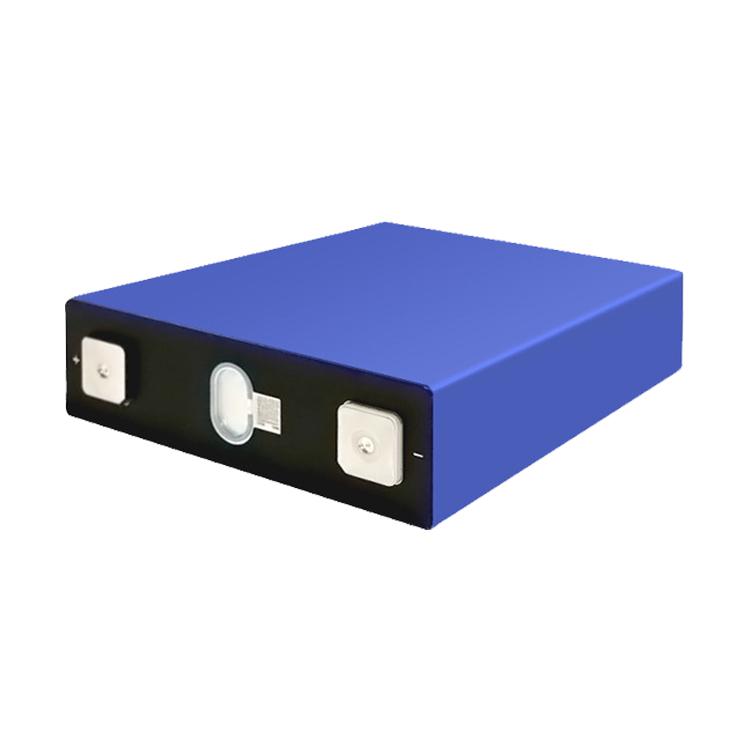
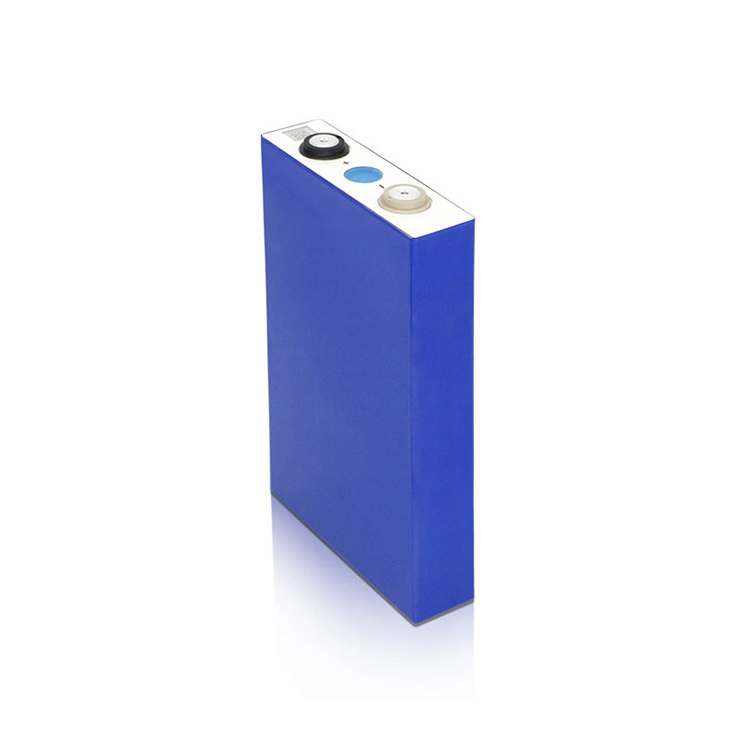
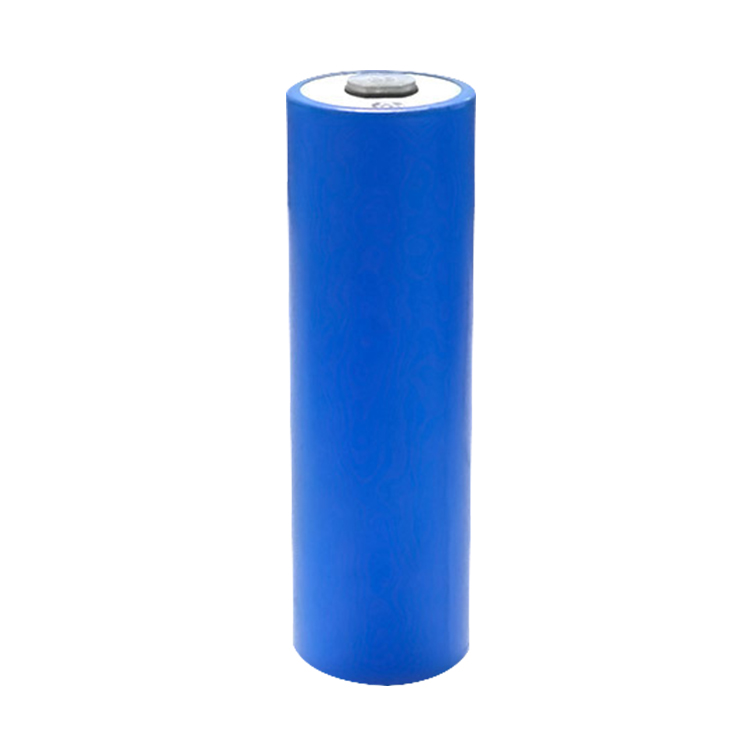
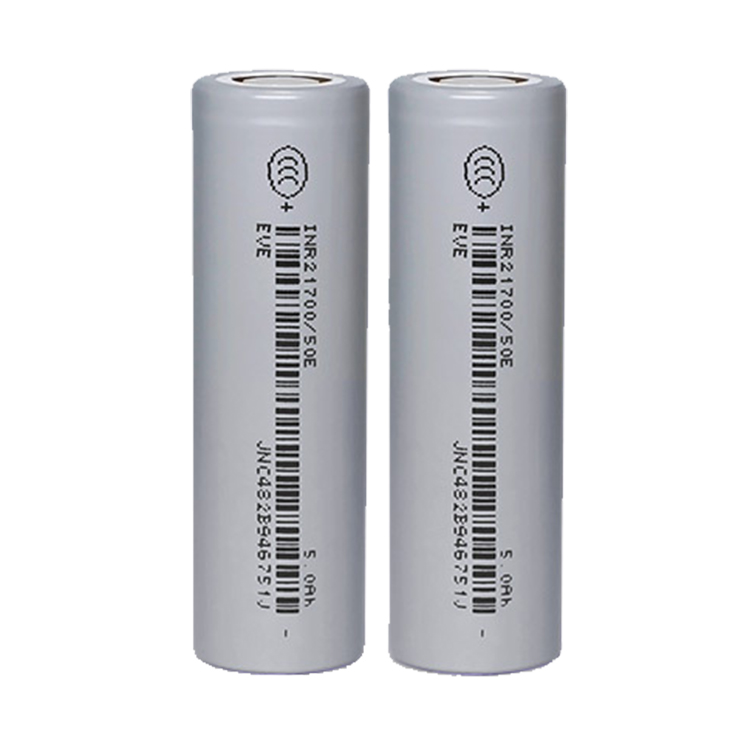
Cell Energy Storage Lithium Battery products are built from the cell upward. Before a pack has a housing, a control board or a connector, it has a set of individual cells, and the format of those cells determines how the finished unit is laid out. Cylindrical cells, prismatic cells and the 21700 format each lead to a different pack structure, and the way the cells are grouped sets the voltage, capacity and consistency of the battery that ships. Zinntu's battery category lists a cylindrical cell product, a prismatic cell product and a 21700 cell product side by side, which makes cell format a practical starting point.
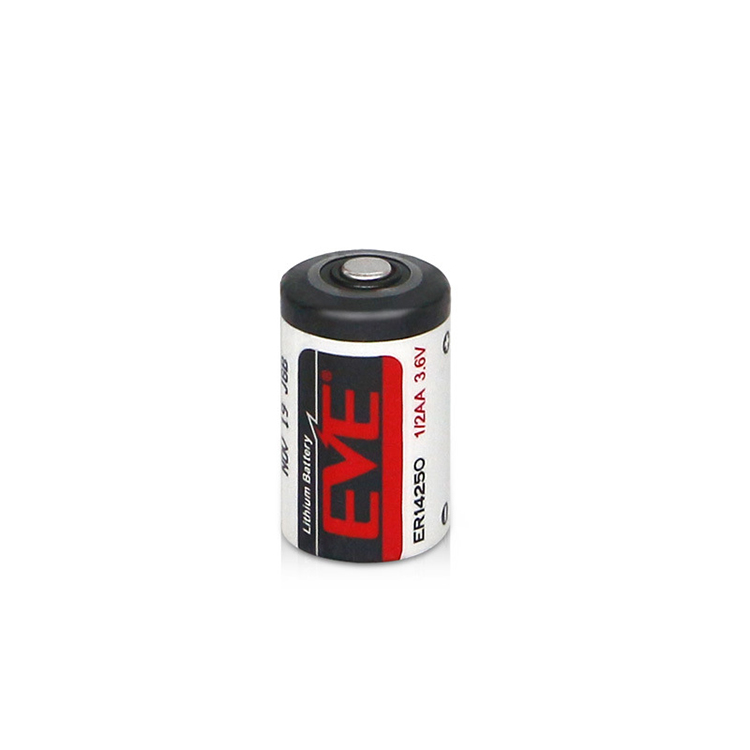
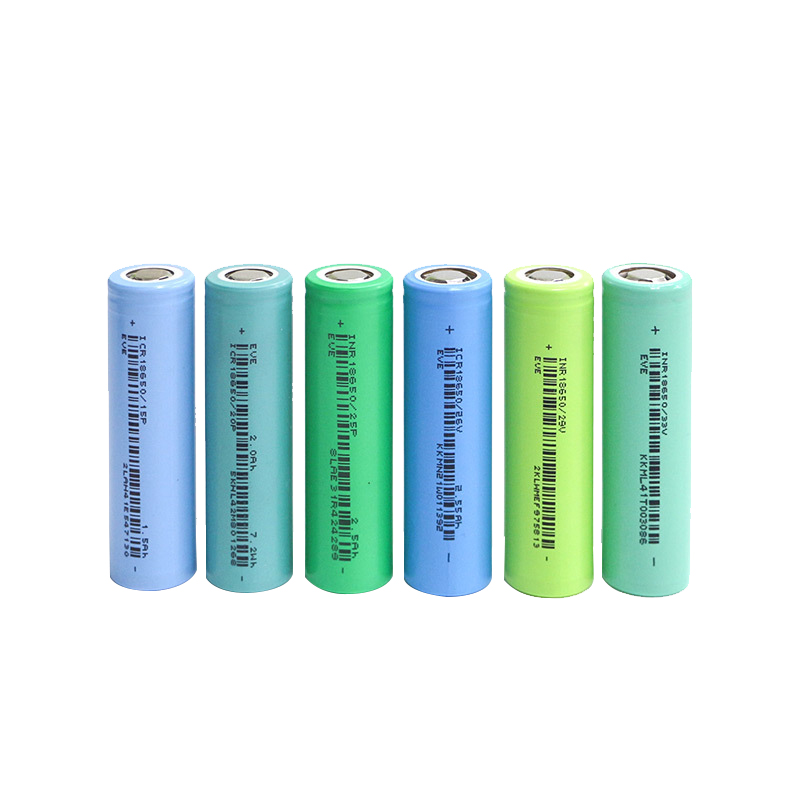
A cylindrical cell is a roll of electrode layers sealed in a metal can with standardized dimensions. The 21700 name comes from its size, 21 mm in diameter and 70 mm long, which is larger than the older 18650 and holds more capacity per cell. Because each cylindrical cell is small, a Cell Energy Storage Lithium Battery built on this format usually contains dozens or hundreds of cells, and total capacity grows with the cell count.
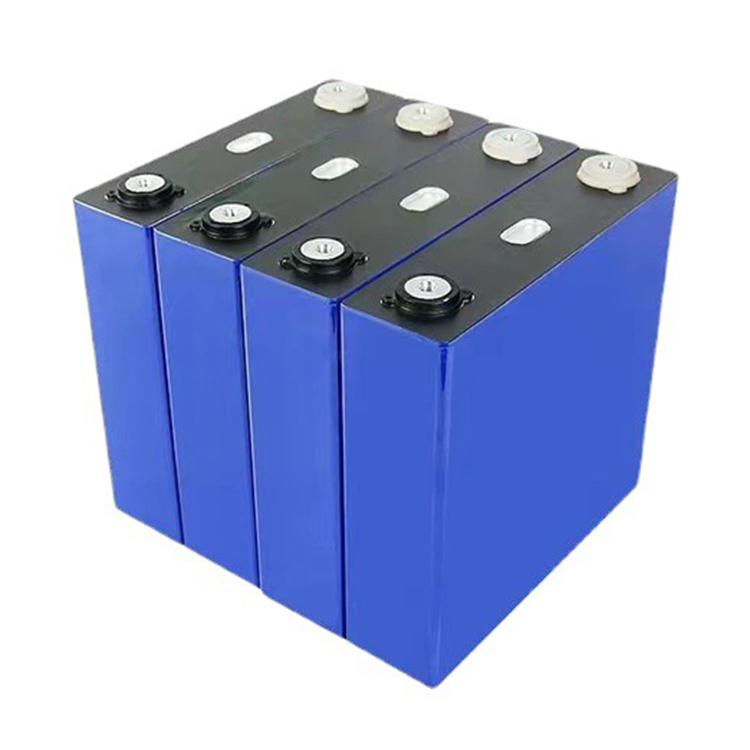
A prismatic cell takes the opposite route. Its flat rectangular shell, often aluminum, holds far more capacity in one unit, so a pack of similar size uses fewer cells, fewer connections and a more regular stack. Round cells leave gaps between them that can be used for airflow or structure, while a prismatic pack fills its volume more completely. The choice between them follows the space available, the target capacity and the way the pack is assembled and serviced.
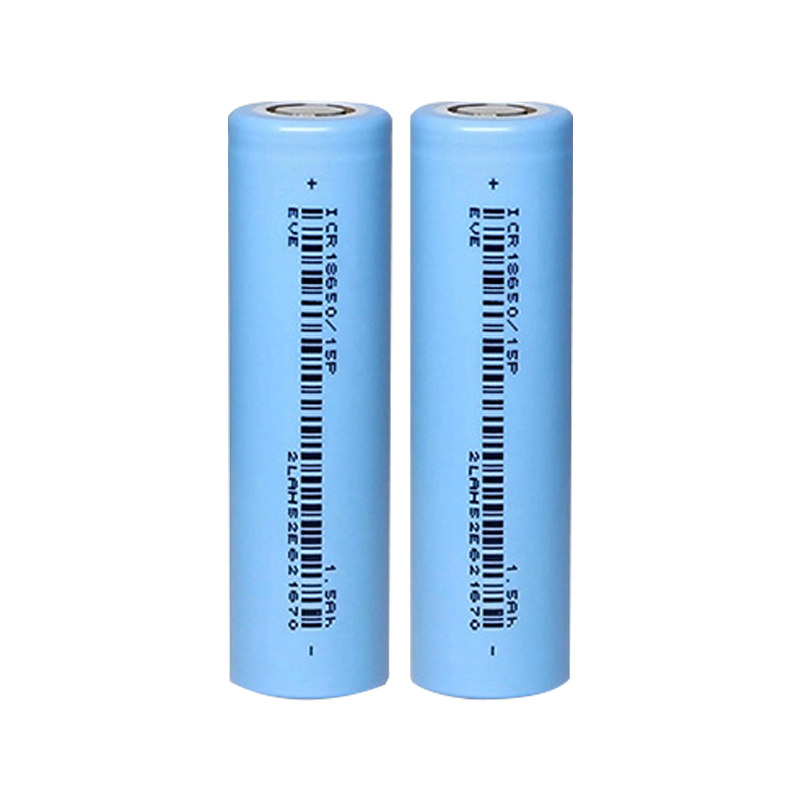
Cells are combined in two directions. Connecting cells in series adds their voltages, and connecting them in parallel adds their capacities. The shorthand 14S4P describes 14 cells in series and 4 in parallel.
Take a hypothetical 21700 battery cell with a nominal voltage of 3.6 V and a capacity of 4.0 Ah. A 14S4P arrangement gives 50.4 V and 16 Ah, or about 806 Wh. The same 806 Wh could also be assembled as 7S8P, which gives 25.2 V and 32 Ah. The cell count is identical in both cases. What changes is the voltage the connected equipment sees and the current the wiring carries, since a pack at half the voltage carries about twice the current for the same power. In a Cell Energy Storage Lithium Battery, this arithmetic is the first step in sizing, and it explains why one total energy figure can be reached through several groupings that suit different system voltages.
Cells in a series string carry the same current, so the cell with the lowest capacity reaches full or empty before the others and sets the usable capacity of the whole string. Cells in a parallel group share the same voltage, and a cell with lower internal resistance takes a larger share of the current.
A Cell Energy Storage Lithium Battery gets its consistency from cell grading, which is the sorting of cells by capacity, internal resistance and voltage before they are assembled into a group. Cells from the same production batch with close measurements tend to age at similar rates, and that keeps the behavior of the group uniform across its service life. Cell-level figures such as rated capacity, nominal voltage and internal resistance therefore describe a Cell Energy Storage Lithium Battery more precisely than a single pack capacity number can.
The same logic runs through every Cell Energy Storage Lithium Battery, whether it uses a 21700 battery cell or a prismatic one. A large prismatic cell concentrates more capacity in one unit, so the match between a few cells carries more weight, while many small cylindrical cells spread any single cell's variation across a larger group.
In a cylindrical Cell Energy Storage Lithium Battery, each cell is usually joined to nickel strips or busbars by spot welding, and every weld adds a small resistance to the current path. Uniform welds keep current evenly spread across a parallel group, and holders fix each cell in position.
Prismatic packs use larger busbars fixed to the terminals by laser welding or bolts, and a frame holds the cells under light compression, since a prismatic cell expands slightly as it cycles. The frame has to hold the stack firmly while leaving room for that movement.
In both formats, a Cell Energy Storage Lithium Battery is only as uniform as the way its cells are joined, which is why cell format, grouping and connection method are specified together when a storage battery is configured.

 Building 1 and 2, No. 2269, Jingzhong Road, Hongjia Street, Taizhou, Zhejiang, China
 +86-18857621312
 info@zinntu.com


 English
 русский
 عربى

