
Choosing tires is never only about appearance or price. For most drivers, safety begins with selecting the correct tire specification and matching it with reliable wheel components. This is why experienced buyers often pay close attention to the background and production standards of a professional wheels and rims manufacturer before making purchasing decisions.
In today's automotive market, consumers search for products that combine durability, driving comfort, wet-road safety, and long-term value. Whether for passenger vehicles, SUVs, pickup trucks, or commercial fleets, working with a dependable wheels and rims manufacturer helps ensure compatibility between tires, rims, and real driving conditions.
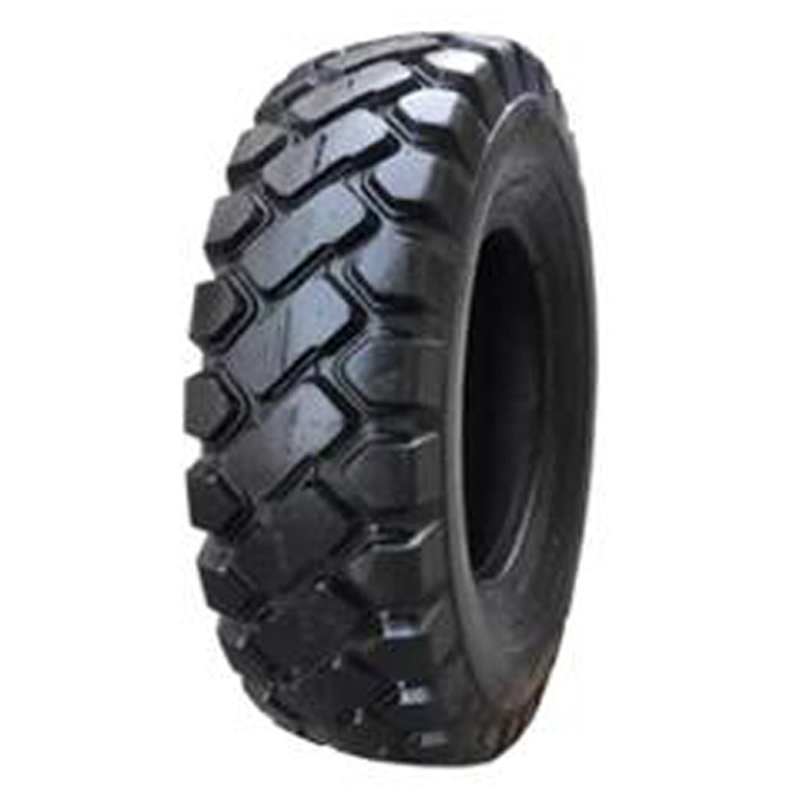
Different drivers need different tire characteristics. A quiet city commuter tire performs very differently from a high-speed performance tire or an off-road all-terrain design.
Understanding real usage conditions helps customers avoid overspending on unnecessary features.
Symmetrical Tread Tires
Symmetrical tread patterns remain one of the common choices for daily commuting. They provide stable road contact, lower rolling resistance, and better ride comfort.
These tires are often recommended by a wheels and rims manufacturer for:
Asymmetrical Tread Tires
Asymmetrical designs use different inner and outer tread structures to balance dry grip and water evacuation.
Drivers often choose these tires for:
A modern wheels and rims manufacturer may also pair asymmetrical tires with lightweight alloy rims to improve handling response.
Directional Tread Tires
Directional tires are designed for strong wet-road performance. Their arrow-shaped grooves improve water drainage and reduce hydroplaning risk.
These tires are especially popular in:
However, installation direction is critical. Many buyers rely on guidance from a knowledgeable wheels and rims manufacturer to ensure correct mounting.
All-Terrain and Off-Road Tires
Deep tread grooves and reinforced sidewalls make all-terrain tires suitable for rough roads and outdoor travel.
Although they improve traction on mud or gravel, they may also create:
For pickup trucks and utility vehicles, a reliable wheels and rims manufacturer often recommends reinforced rims capable of handling higher impact loads.
Many North American buyers pay attention to UTQG ratings, also called the Uniform Tire Quality Grading system. This standard measures treadwear, traction, and heat resistance.
|
UTQG Item |
Meaning |
Recommended Level |
|
Treadwear |
Tire lifespan |
400+ for daily driving |
|
Traction |
Wet grip performance |
Minimum A grade |
|
Temperature |
Heat resistance |
A grade preferred |
An experienced wheels and rims manufacturer understands that buyers searching for "highway tires," "quiet SUV tires," or "safe wet weather tires" often compare these ratings before purchasing.
Not every driver needs premium racing tires. Choosing the right balance between cost and performance is more practical.
Premium international brands often focus on comfort, grip, and advanced rubber compounds.
Examples include:
Meanwhile, many budget-conscious buyers prefer affordable alternatives with reasonable durability.
A professional wheels and rims manufacturer typically offers multiple tire options depending on market demand and vehicle category.
Production date is one of the most overlooked details during tire selection.
The DOT code on the sidewall shows manufacturing time. For example, 2325 means the tire was produced in the 23rd week of 2025.
General recommendations include:
Even unused tires can age over time because rubber naturally hardens.
A responsible wheels and rims manufacturer also recommends checking for:
Buying through authorized suppliers or official distributors reduces the risk of receiving defective products.
Even high-quality tires can perform poorly if installed incorrectly.
Drivers should always ensure:
Many automotive workshops cooperate directly with a professional wheels and rims manufacturer to ensure proper matching between rims, tires, and suspension systems.
Ignoring tire wear is one of the most dangerous maintenance mistakes.
Common warning signs include:
Regardless of mileage, most experts suggest replacing tires after five years because aging rubber gradually loses flexibility and grip.
For wholesalers, retailers, and vehicle owners alike, choosing the right wheels and rims manufacturer is not simply about buying parts. It is about ensuring long-term driving safety, reliable compatibility, and consistent product quality across different road conditions.



 Building 1 and 2, No. 2269, Jingzhong Road, Hongjia Street, Taizhou, Zhejiang, China
  +86-18857621312
  info@zinntu.com

 English
 русский
 عربى
عربى
