
Water-based automation is becoming a practical part of modern industry, environmental work, and remote monitoring. An Unmanned Boat offers a stable and efficient way to complete tasks on lakes, rivers, reservoirs, ports, and coastal zones without continuous onboard human operation.
A practical unmanned marine platform needs more than a floating body and motor. It must operate smoothly, hold course accurately, and support onboard devices without creating unnecessary complexity.
That is why an Unmanned Boat is often developed as a complete system rather than a single product. The hull structure, propulsion layout, battery arrangement, control unit, and communication hardware all influence field performance. When these parts are developed in coordination, the platform becomes easier to deploy and more stable during actual use.
For water operations, common pain points usually include:
A well-developed platform addresses these issues from the beginning, rather than trying to correct them later.
One of the most important parts of any unmanned marine platform is the hull. Stability directly affects navigation accuracy, sensor performance, and operational consistency.
The hull of an electric unmanned boat is typically designed to balance:
Materials such as aluminum, fiberglass, and composite structures are commonly used because they combine corrosion resistance with mechanical strength. The right structure helps the vessel remain steady when carrying cameras, sonar modules, environmental sensors, or communication equipment.
In practical terms, a stable hull means better data quality and smoother control. For example, when the platform is used for water surface inspection or environmental sampling, even small balance changes can affect sensor readings and movement precision.
Electric propulsion is a key feature in many modern unmanned marine platforms. It supports quiet operation, responsive maneuvering, and lower routine maintenance compared with conventional fuel-driven arrangements.
The propulsion system generally includes:
The interaction between these parts determines how the platform accelerates, turns, and holds position. In real applications, precise motion control matters more than raw speed. Whether the task involves patrol, water quality monitoring, route-based inspection, or autonomous surface movement, control accuracy often has a bigger operational impact than top-end output.
Endurance is one of the biggest concerns in unmanned marine operations. A platform may have strong navigation and a stable structure, but if operating time is too short, field efficiency drops quickly.
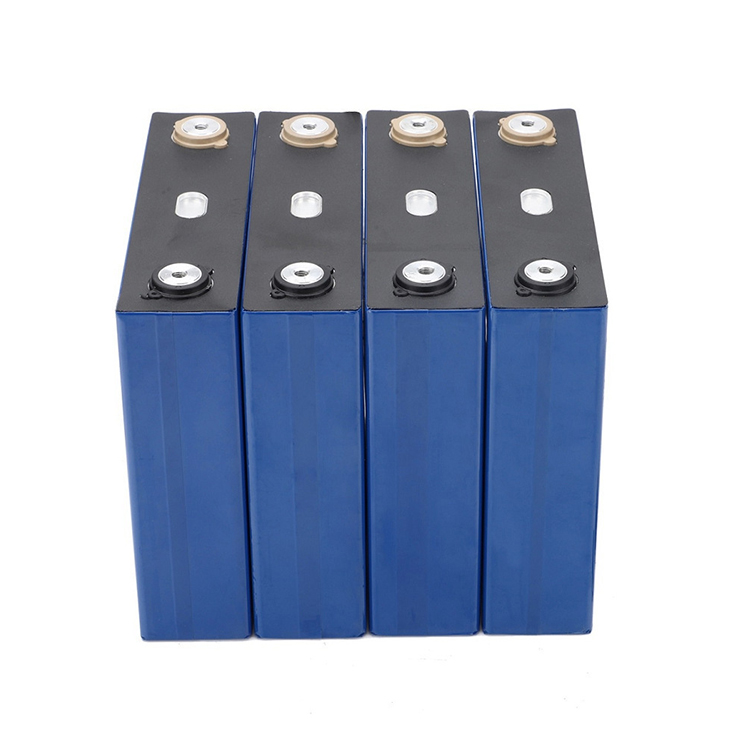
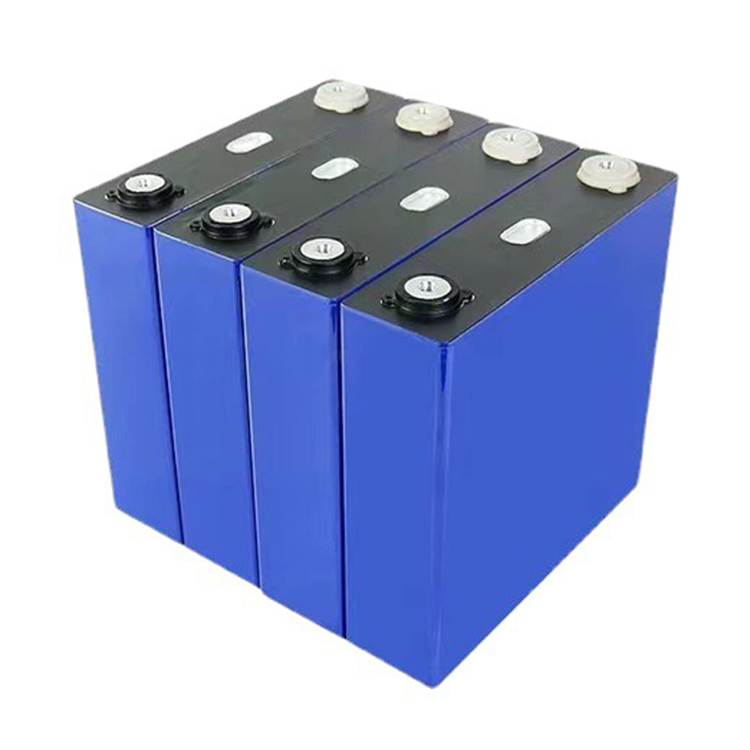
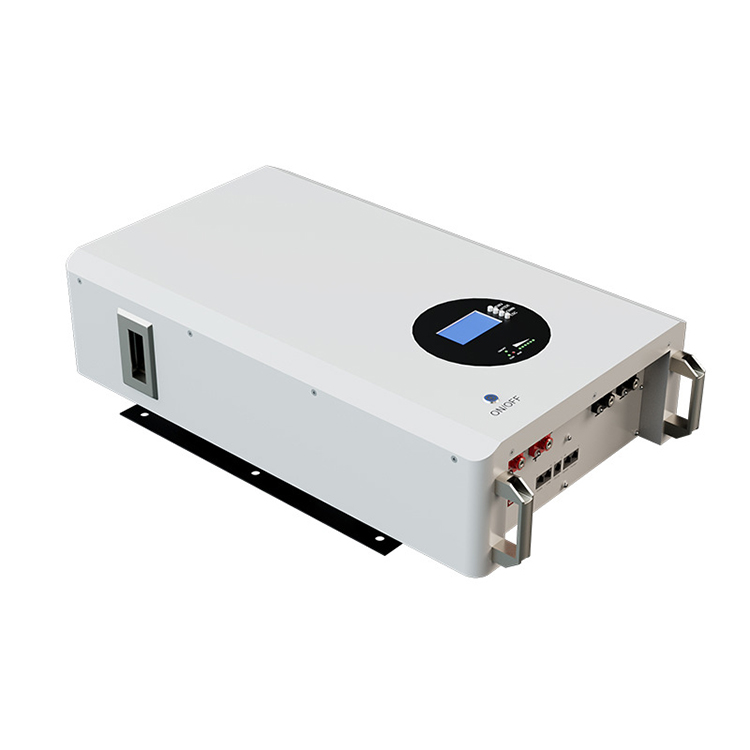
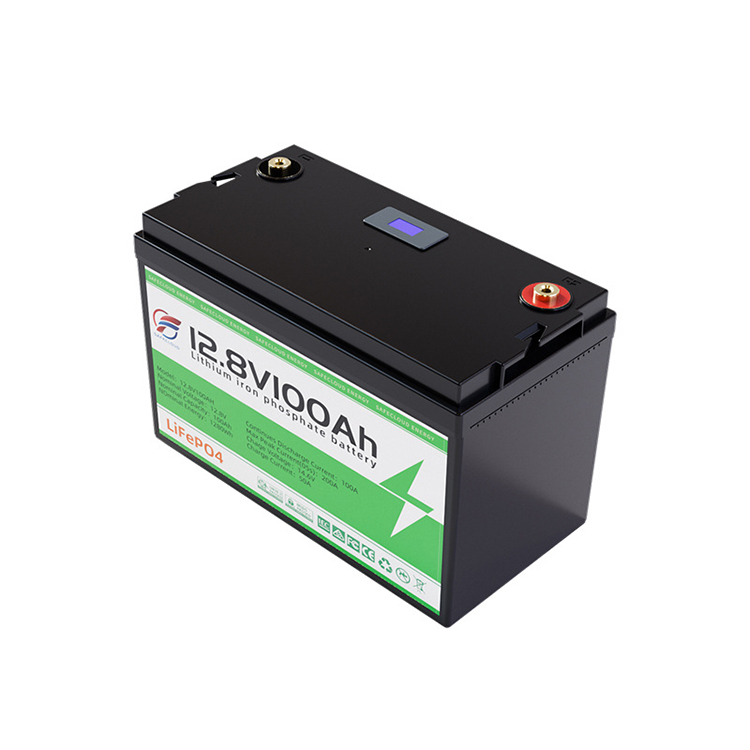
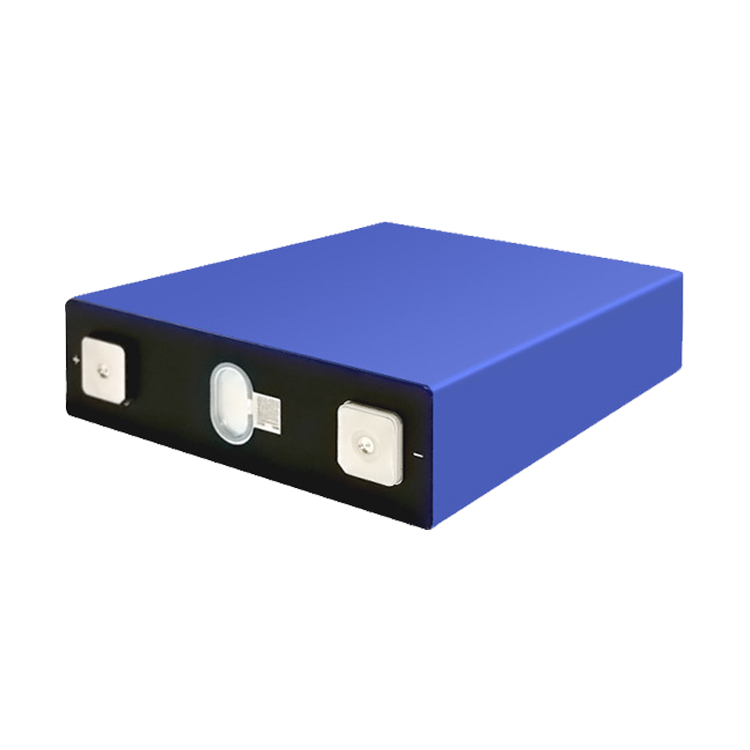
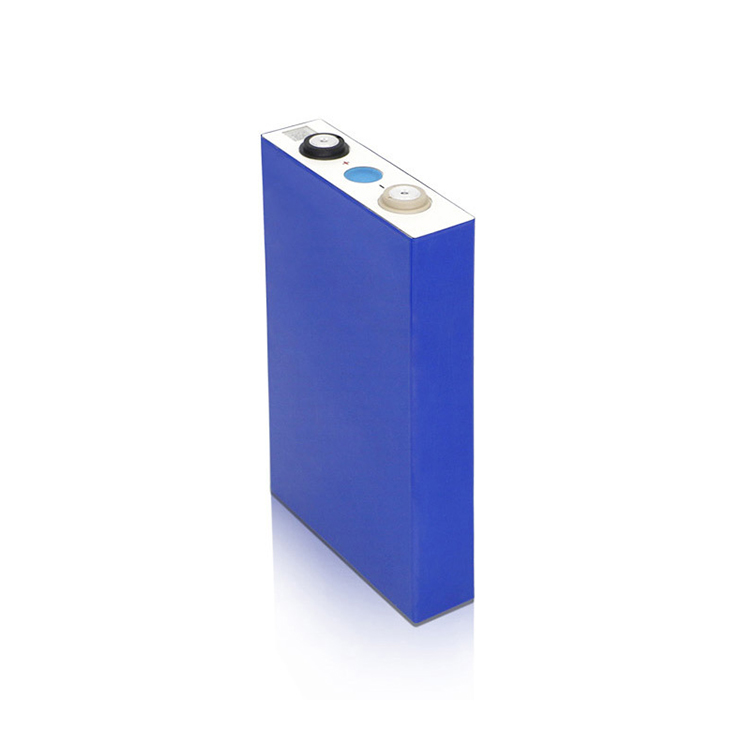
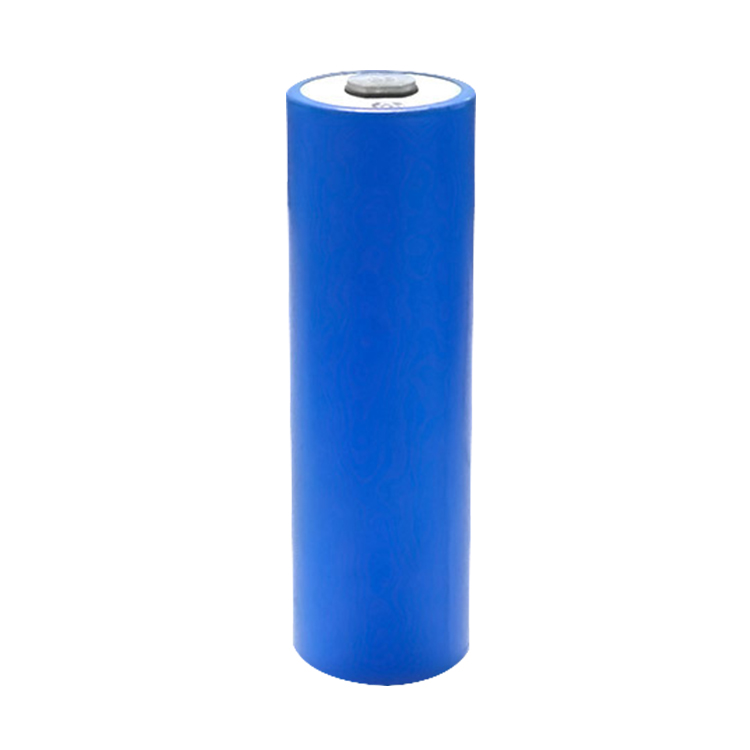
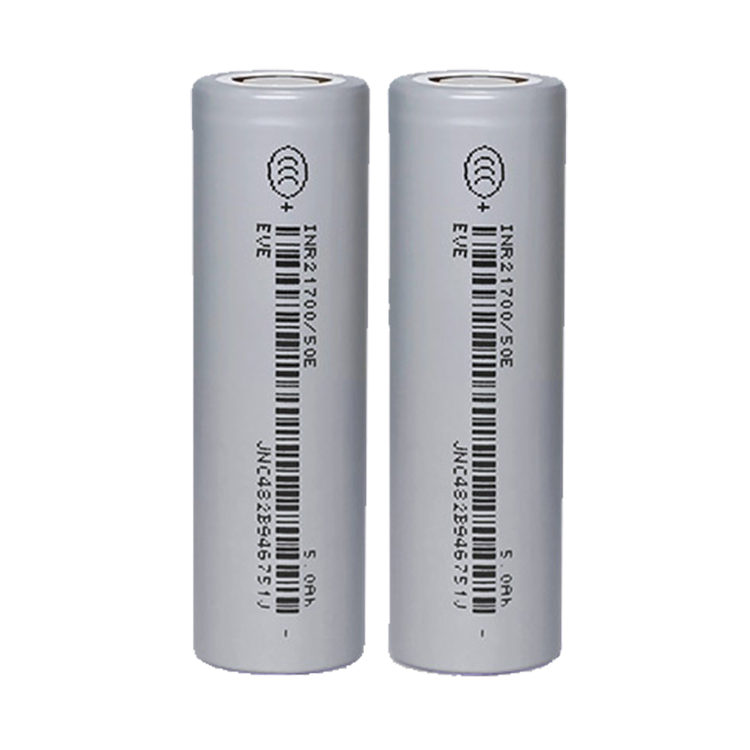
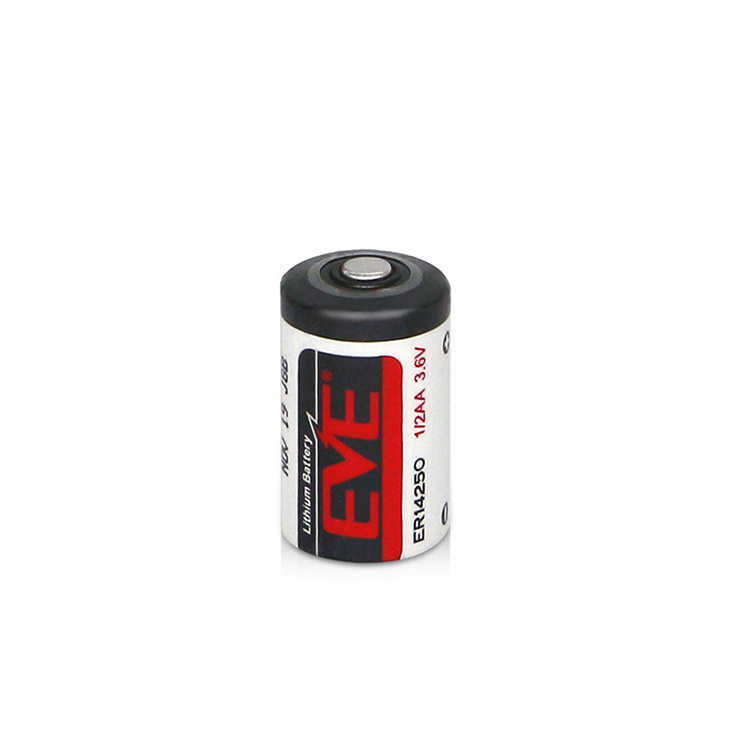
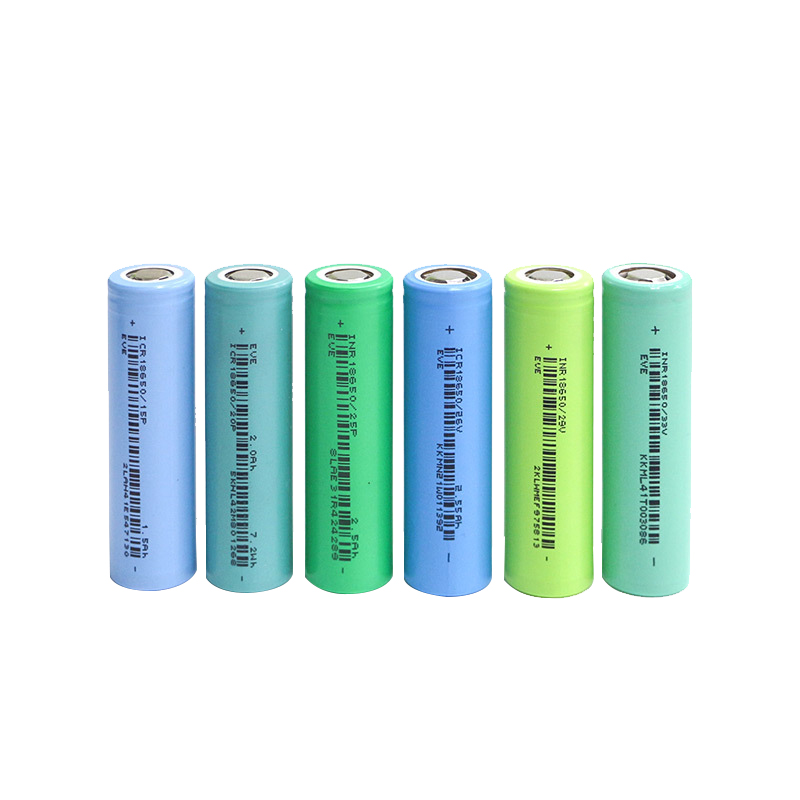
Battery systems are the energy core of the platform. In electric unmanned boats, lithium battery solutions are often preferred because they offer:
Battery capacity selection depends on several operational factors, including payload weight, travel distance, route complexity, and communication power draw. It is not only about choosing a larger battery. It is about building a balanced electrical system that supports propulsion, sensors, processors, and communication equipment together.
An Unmanned Boat is not simply a trend product. It is a working platform built for tasks that require repeatability, remote control, and intelligent coordination on water. From hull structure and electric propulsion to navigation systems and payload compatibility, every subsystem plays a role in overall performance.

 Building 1 and 2, No. 2269, Jingzhong Road, Hongjia Street, Taizhou, Zhejiang, China
  +86-18857621312
  info@zinntu.com

 English
 русский
 عربى
عربى
