
Lithium Iron Phosphate batteries factory, denoted as LiFePO₄ or LFP, represent a distinct category of lithium-ion chemistry that utilizes iron and phosphate as the cathode material. While all LFP batteries share fundamental chemical properties that provide inherent thermal stability and a long cycle life, they are not a monolithic product. Variations in their construction, form factor, and internal integration define specific types suited for different applications.
1. Classification by Cell Form Factor
The physical shape and construction of the individual LFP cells is a primary differentiator, influencing the battery's energy density, thermal management, scalability, and manufacturing process.
1.1. Cylindrical Cells
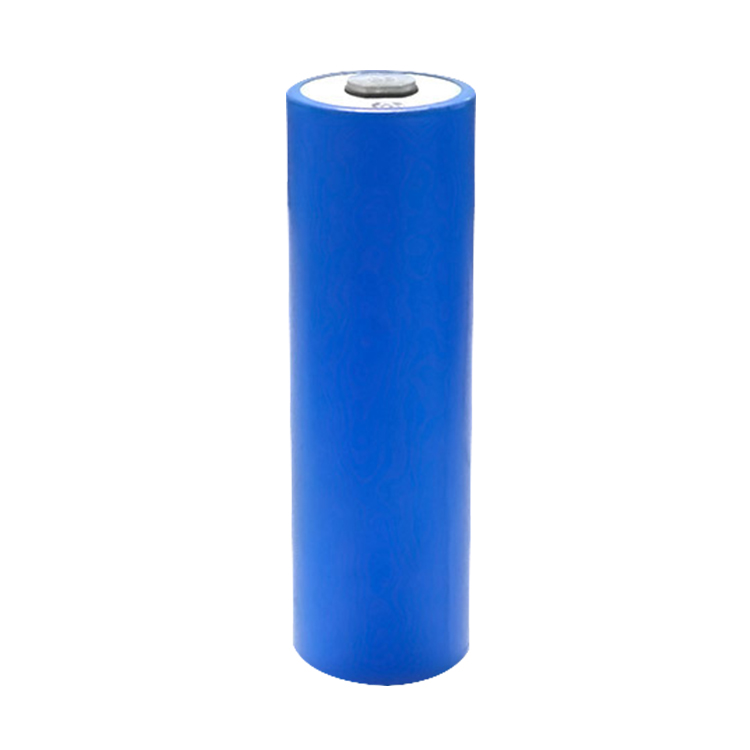
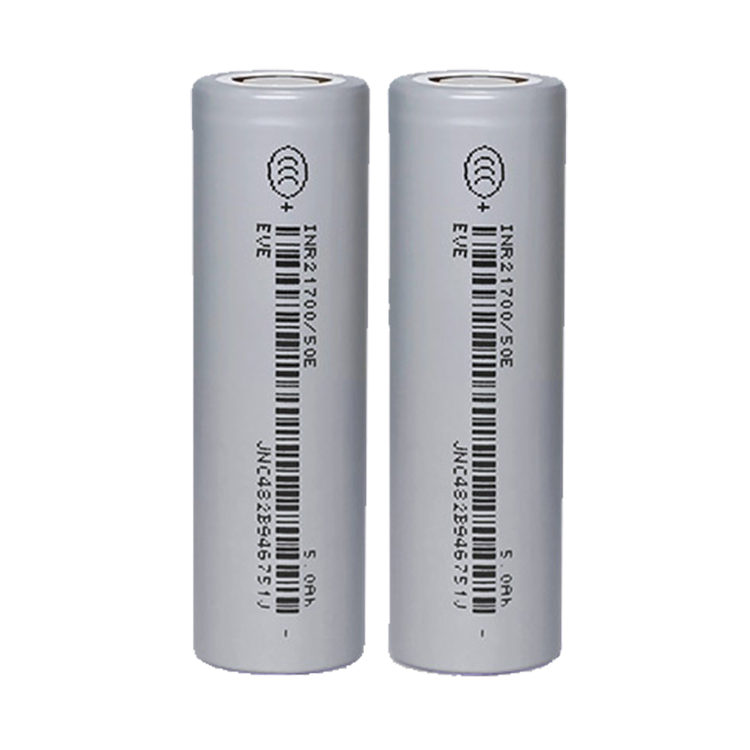
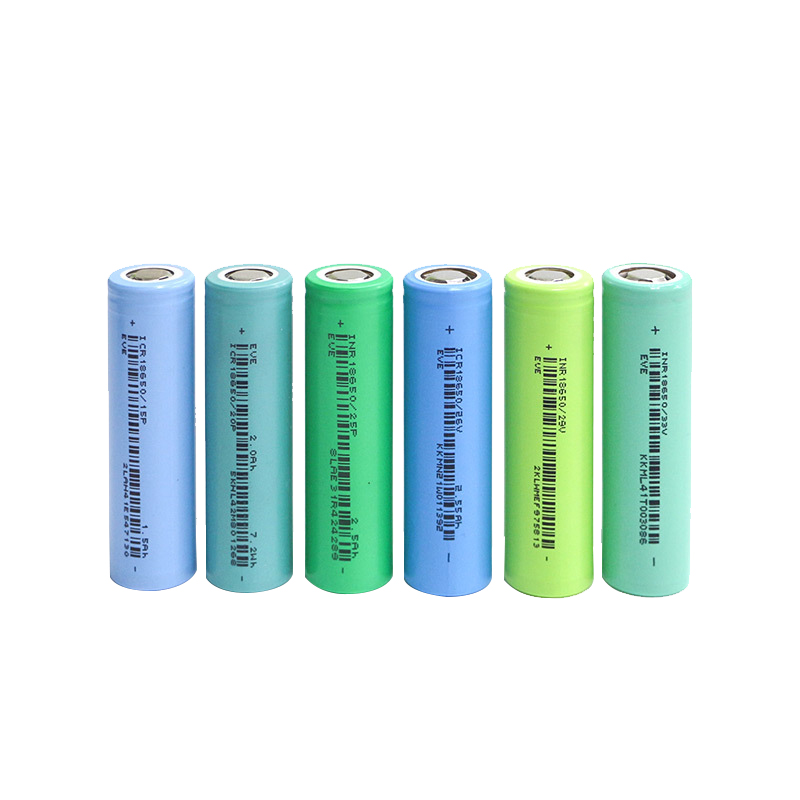
These cells are characterized by a familiar, rigid cylindrical metal casing, similar in appearance to common household alkaline cells but larger in scale, such as the 18650 or 21700 formats.
Structure and Attributes: The electrodes are wound into a "jellyroll" and housed within the cylindrical steel or aluminum casing. This structure provides mechanical robustness and allows for high-speed, automated manufacturing. The cylindrical shape can create efficient packing in some contexts, but gaps between cells in a module can reduce overall volumetric energy density.
Common Applications: This form factor is frequently used in applications where high durability and proven manufacturing consistency are valued. Examples include electric powertrains in some vehicles, power tools, and certain portable power stations where the inherent strength of the cell can withstand internal pressures.
1.2. Prismatic Cells
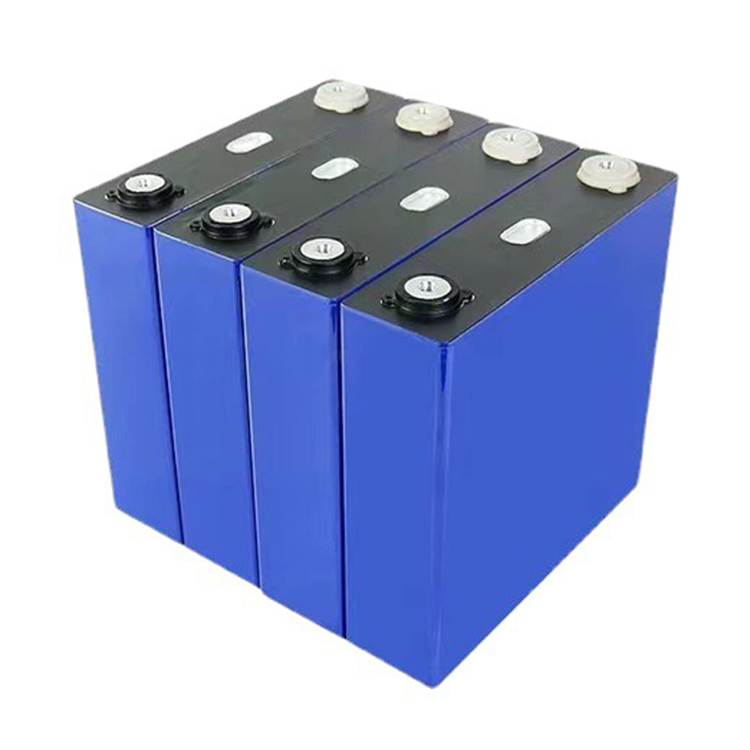
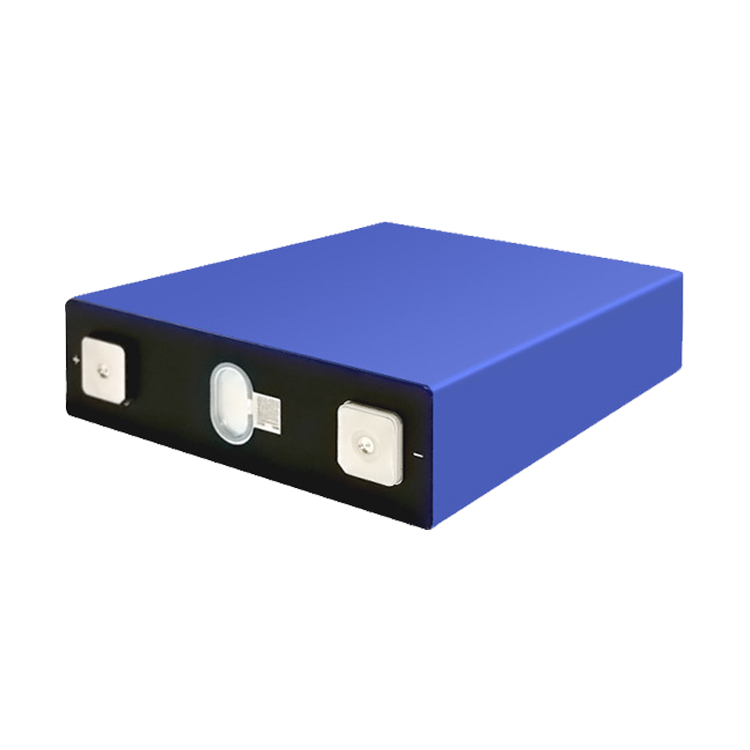
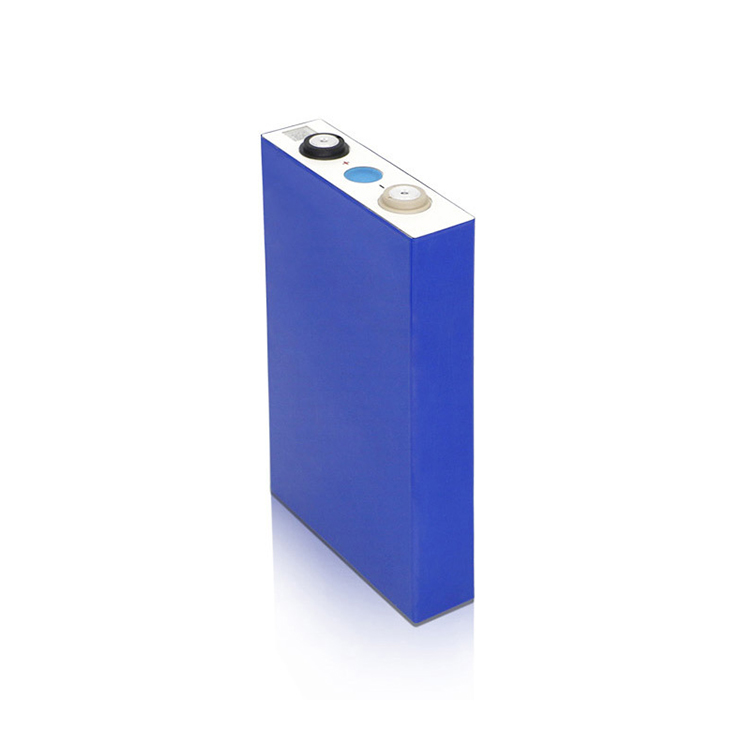
Prismatic cells are housed in a rigid, typically rectangular aluminum or steel case.
Structure and Attributes: The electrodes are either stacked or wound in a flat configuration. The rectangular shape allows for efficient space utilization when bundled together into a battery pack, dead space and achieving a high packing density. This makes them suitable for applications where volume is a critical constraint. The large, flat surfaces also facilitate thermal management.
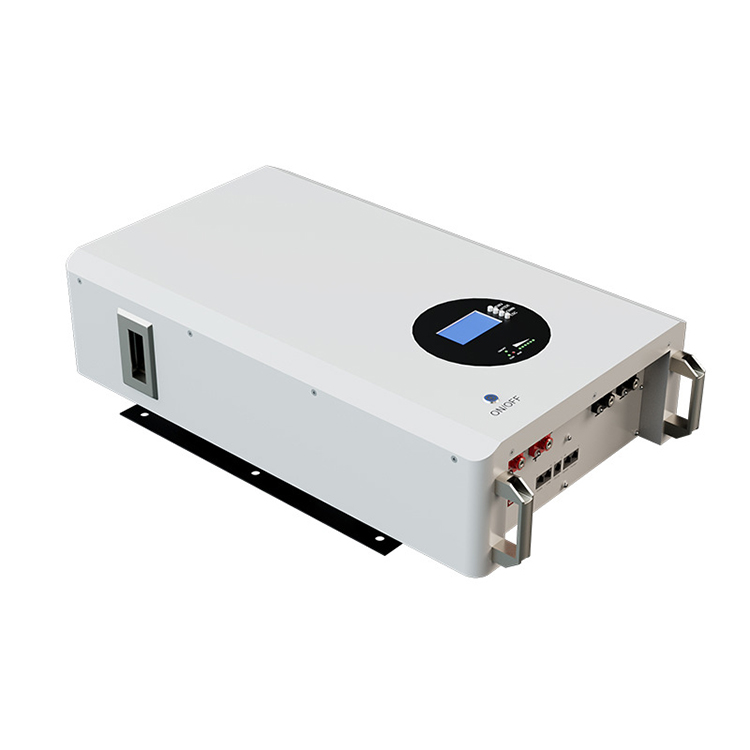
Common Applications: This is a prevalent form factor in many modern electric vehicles, where space within the vehicle's chassis is optimized. They are also widely used in residential and commercial energy storage systems, as their block-like shape simplifies assembly into large, rack-mounted units.
1.3. Pouch Cells
Also known as laminate cells, pouch cells use a flexible, multi-layered foil as their external casing, similar to a vacuum-sealed package.
Structure and Attributes: Without a rigid metal casing, pouch cells offer a lightweight and space-efficient design. They can be made relatively thin and shaped to fit specific spaces. A primary consideration is that they require external support within a battery pack to prevent swelling and to maintain structural integrity under pressure.
Common Applications: Their flexibility in shape and light weight makes them suitable for applications where these factors are prioritized, such as in some consumer electronics, low-speed electric vehicles, and specific aerospace applications where every gram matters.
2. Classification by Integration and Functional Design
Beyond the individual cell, LFP batteries are often categorized based on their level of integration and ready-to-use functionality.
2.1. Individual Cells and Modules
At the most basic level, individual LFP cells are the building blocks. A module is an assembly of multiple cells connected in series and/or parallel, often with a framework for structural support and sometimes including a rudimentary monitoring circuit. These are typically sold to original equipment manufacturers or system integrators who design custom battery packs with their own Battery Management Systems and enclosures.
2.2. Integrated Battery Packs with BMS
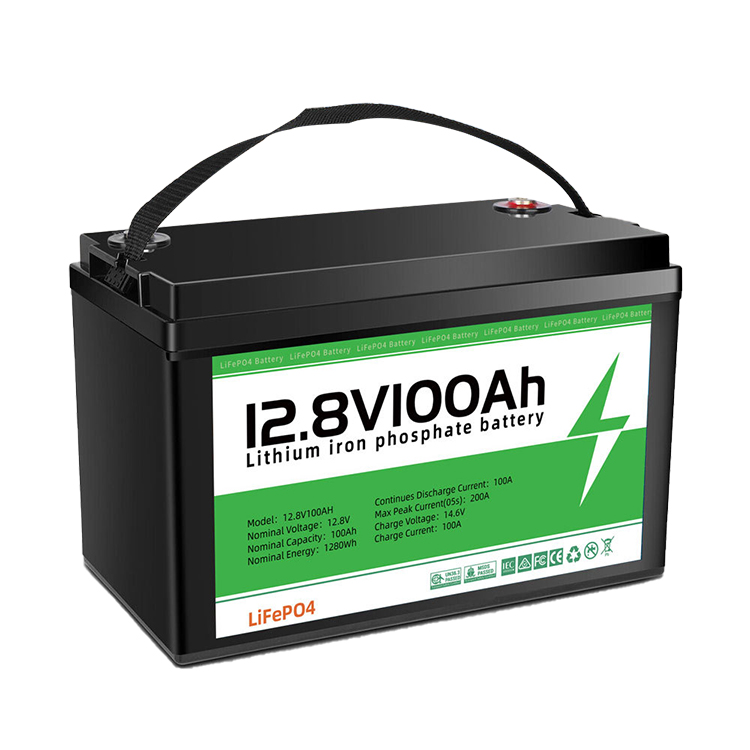
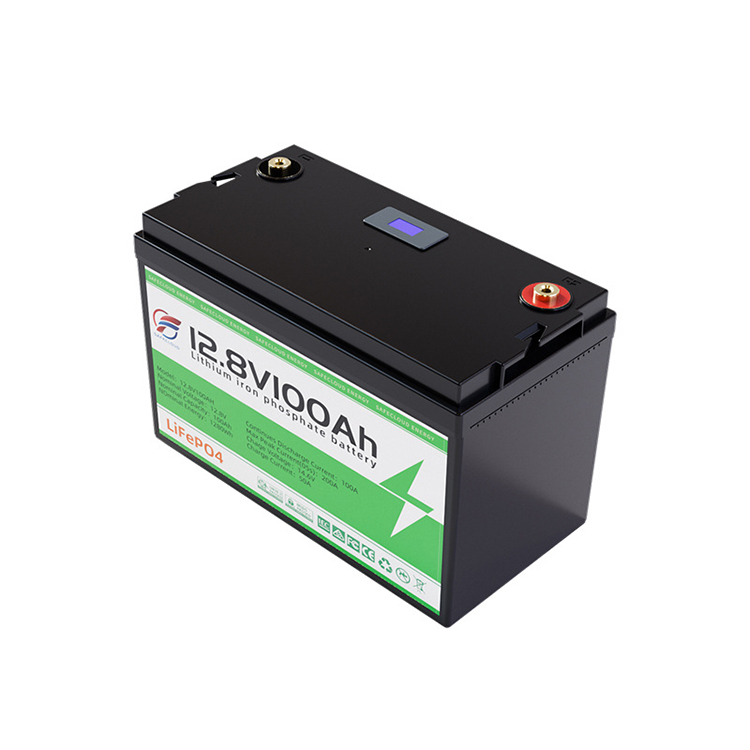
This type refers to a fully integrated unit that includes not only the LFP cells but also a comprehensive Battery Management System, thermal management systems, safety fuses, and a robust external casing. The BMS is a critical component that monitors cell voltage, temperature, and state of charge, ensures balanced charging, and protects the battery from operating outside its safe window.
Common Applications: This category includes nearly all consumer-facing LFP products, such as complete energy storage systems for solar installations, portable power stations for camping and backup power, and replacement batteries for golf carts and marine applications.
3. Classification by Specific Application and Configuration
The end-use application often defines a third layer of classification, where the internal configuration and external features are tailored for a specific purpose.
3.1. Starting, Lighting, and Ignition Batteries
These are LFP batteries designed to replace lead-acid batteries in vehicles. They are configured to deliver high cranking amps for starting engines while being significantly lighter and having a longer cycle life than their lead-acid counterparts. They are commonly used in cars, motorcycles, boats, and recreational vehicles.
3.2. Deep-Cycle Energy Storage Batteries
This type is engineered for applications where the battery is regularly discharged and recharged through a significant portion of its capacity. They are optimized for cycle life rather than peak power output. Examples include batteries for off-grid solar systems, electric floor scrubbers, and trolling motors. They may be configured for either low-voltage (12V, 24V, 48V) or high-voltage operation, depending on the system requirements.

 Building 1 and 2, No. 2269, Jingzhong Road, Hongjia Street, Taizhou, Zhejiang, China
  +86-18857621312
  info@zinntu.com

 English
 русский
 عربى
عربى
