
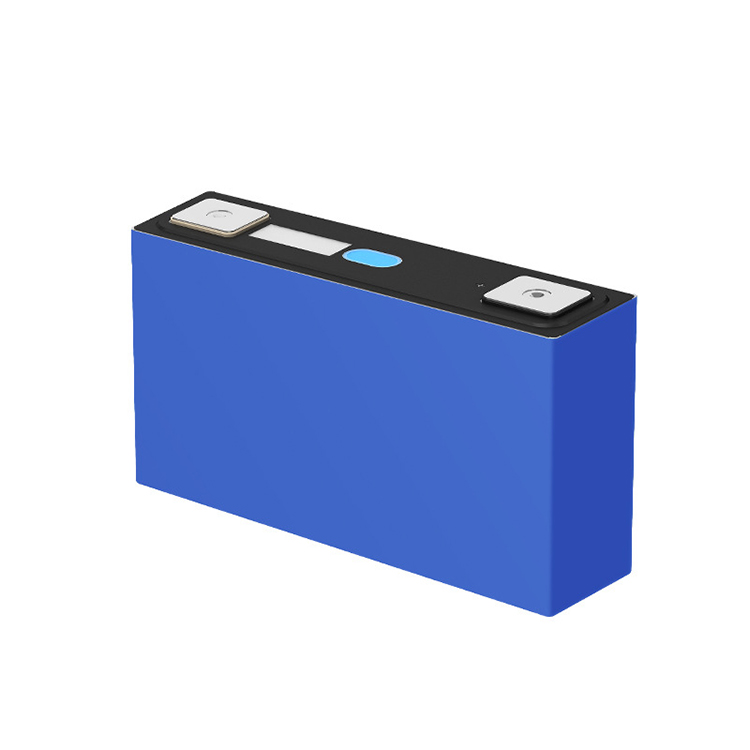
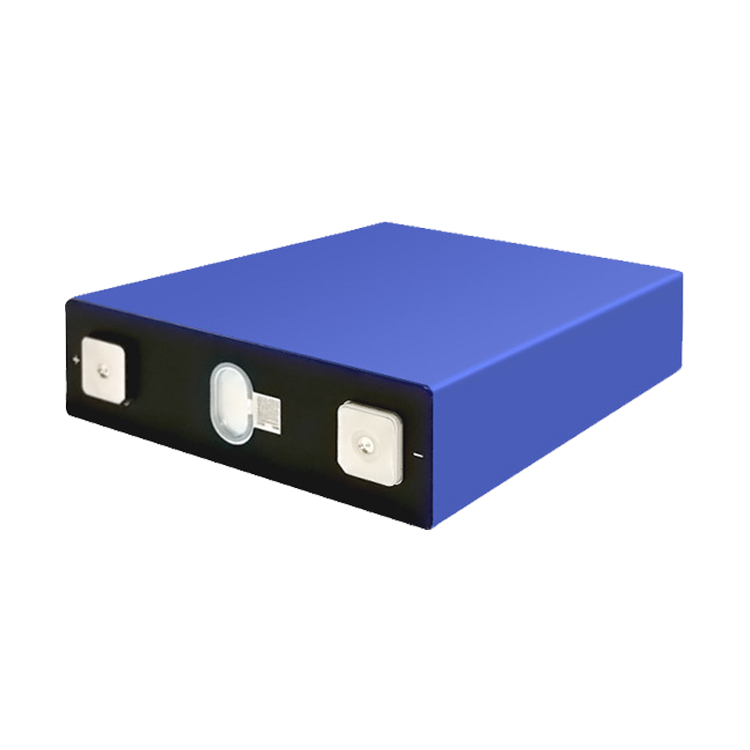
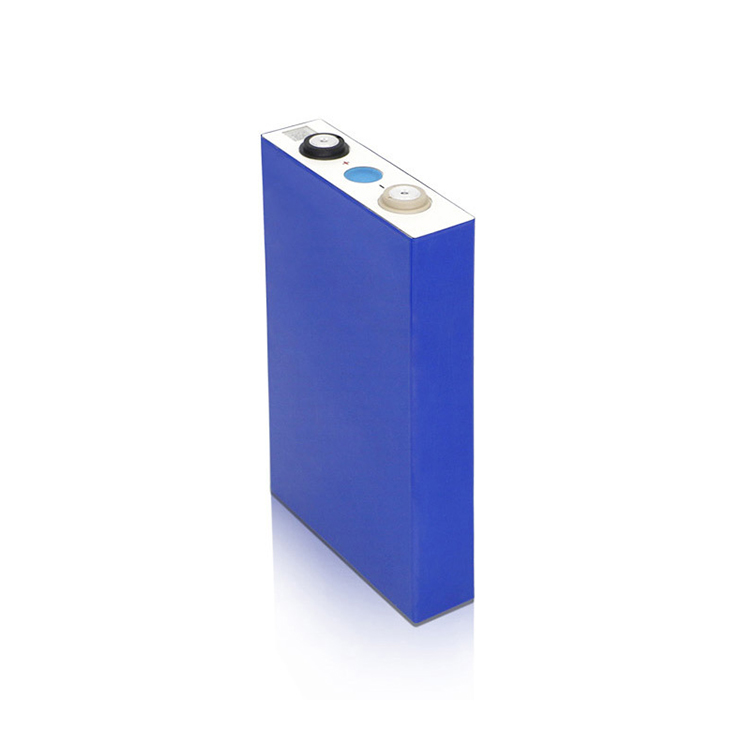
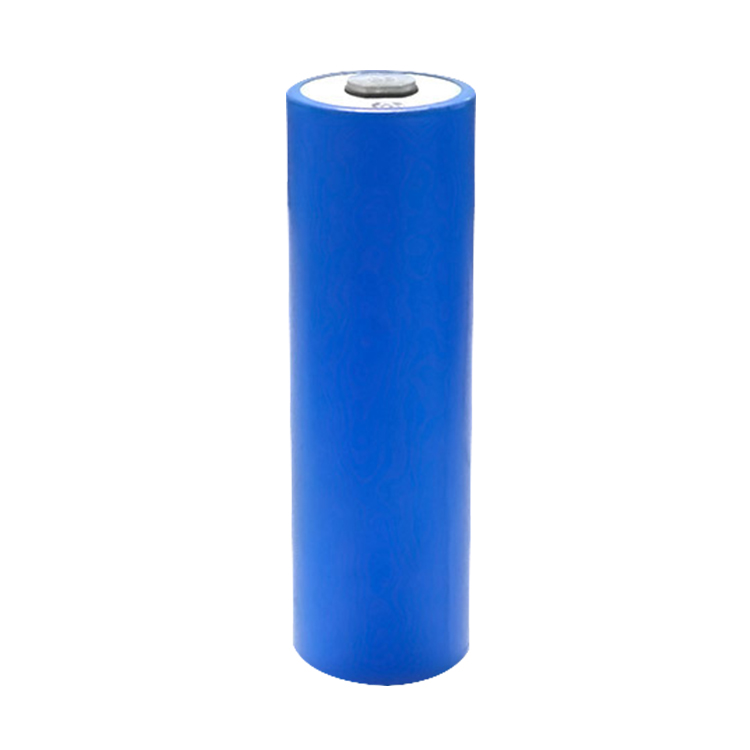
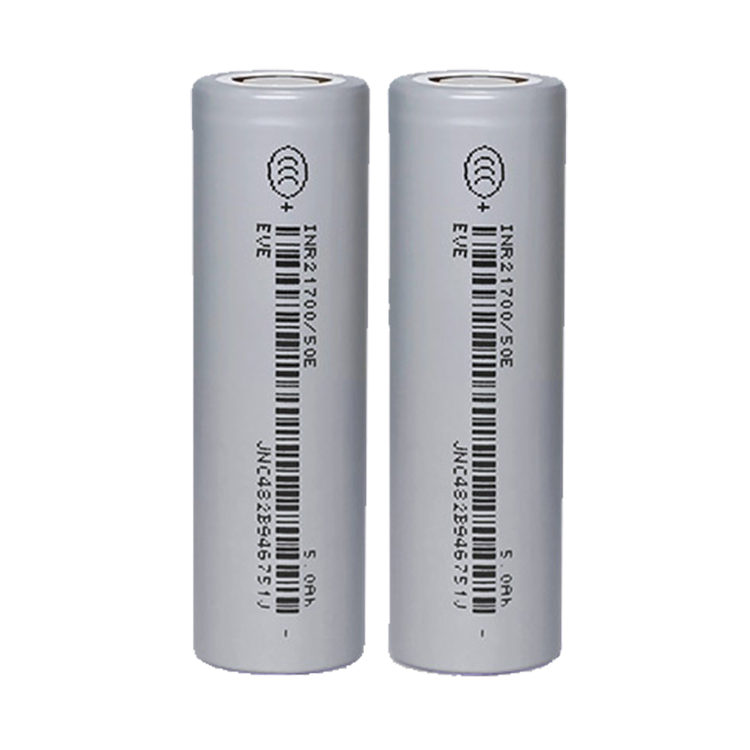
Ternary lithium batteries, also known as NCM (Nickel Cobalt Manganese) batteries, are a type of lithium-ion battery that combines nickel, cobalt, and manganese in varying proportions. These batteries are gaining popularity in various industries due to their higher energy density, long lifespan, and relatively balanced cost-efficiency. Ternary lithium batteries are increasingly being used in applications that require high performance, compact size, and reliability.
1. Electric Vehicles (EVs)
One of the most significant and rapidly growing applications of ternary lithium batteries is in electric vehicles. As the world shifts towards more sustainable transportation options, EVs have gained considerable traction, and the performance characteristics of ternary lithium batteries make them particularly well-suited for this sector.
High Energy Density for Longer Range: Ternary lithium batteries provide a higher energy density compared to other types of lithium-ion batteries, such as LFP (Lithium Iron Phosphate) batteries. This feature is particularly beneficial for electric vehicles, as it allows for longer driving ranges on a single charge. With the growing demand for EVs with extended ranges, ternary lithium batteries help meet this need while keeping the vehicle’s weight manageable.
Improved Efficiency: The combination of nickel, cobalt, and manganese in ternary lithium batteries offers a good balance of energy output and thermal stability. This allows EVs to maintain a consistent level of performance, even under demanding conditions such as rapid acceleration or heavy load.
Faster Charging: The chemistry of ternary lithium batteries also allows for quicker charging times, which is an important factor in making electric vehicles more convenient for consumers. This is especially relevant as the infrastructure for fast-charging stations continues to expand.
2. Renewable Energy Storage
Ternary lithium batteries also play a crucial role in the storage of renewable energy. As renewable energy sources like solar and wind power become more widespread, the need for efficient energy storage solutions has increased. Ternary lithium batteries are often used in stationary energy storage systems to address issues of intermittency and grid stability.
Integration with Solar and Wind Energy: Solar and wind power generation are variable by nature, meaning energy is not always available when it is needed. Ternary lithium batteries are well-suited for energy storage in these cases because of their high energy density, which allows them to store large amounts of energy in a relatively small space. When demand exceeds generation, the stored energy can be fed into the grid or used locally, reducing the reliance on fossil fuels.
Long Lifespan for Cost Efficiency: The long cycle life of ternary lithium batteries makes them an attractive choice for renewable energy storage. Their ability to endure thousands of charge and discharge cycles without significant degradation means that they can provide reliable service over extended periods, making them more cost-effective in the long run compared to other energy storage solutions.
Grid Stabilization and Backup Power: Ternary lithium batteries can help stabilize the electrical grid by smoothing out fluctuations in power supply. In regions with high renewable energy penetration, these batteries can store excess energy during periods of low demand and discharge it during peak periods, helping to balance supply and demand. Additionally, they can serve as backup power sources in case of grid failures, providing emergency electricity when needed.
3. Portable Electronics
Portable electronic devices such as smartphones, laptops, and tablets have long relied on lithium-ion batteries, but ternary lithium batteries are now gaining ground due to their energy density and compact size.
Smaller, Lighter Devices: Ternary lithium batteries’ high energy density means they can store more power in a smaller and lighter form factor. For consumers, this translates into portable devices with longer battery life while maintaining compact and lightweight designs. As consumers demand more power from their devices, these batteries help keep them lightweight and user-friendly.
Enhanced Battery Life: Ternary lithium batteries provide longer-lasting power compared to other battery chemistries. In applications like smartphones, where battery life is critical for user experience, the ability of ternary lithium batteries to deliver sustained power over long periods is a key selling point.
Faster Charging and Higher Power Output: Ternary lithium batteries also allow for faster charging speeds and can handle high power output, which is advantageous for devices that require quick recharging or power-intensive applications. This is especially important in the competitive consumer electronics market, where consumers expect their devices to charge quickly without compromising on performance.

 Building 1 and 2, No. 2269, Jingzhong Road, Hongjia Street, Taizhou, Zhejiang, China
  +86-18857621312
  info@zinntu.com

 English
 русский
 عربى
عربى
