
 English
 русский
 عربى
عربى

Industry News
Home / News / Industry News / What Types of Rubber Track Chassis Are Available and Why They Are Used

Rubber track chassis are a common component in small and medium-sized construction, agricultural, and utility vehicles. They replace traditional wheels with continuous tracks made of reinforced rubber, which helps distribute weight and improve traction.
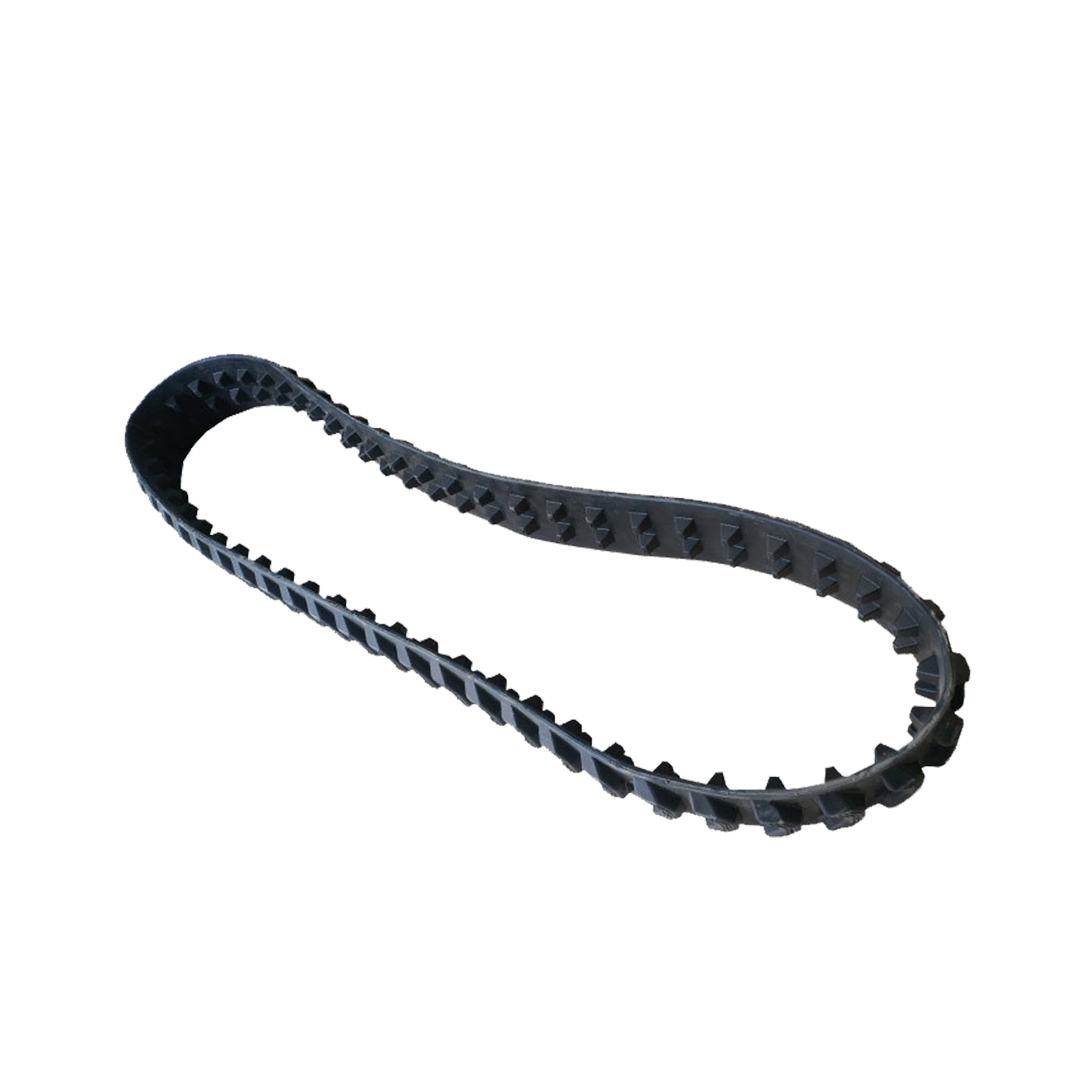
Rubber track chassis come in different configurations depending on the application and vehicle size. The main types include:
Mini or Compact Rubber Track Chassis:
Used in small machinery such as mini excavators, compact track loaders, and agricultural robots.
Designed for light to medium load capacity.
Offers high maneuverability in tight spaces and reduced ground pressure to protect surfaces.
Standard Rubber Track Chassis:
Found in medium-sized construction and agricultural equipment.
Can carry moderate loads and support heavier machinery compared to compact versions.
Offers stability and traction on uneven or soft ground conditions.
Specialized or Heavy-Duty Rubber Track Chassis:
Used for industrial or military applications where higher durability is required.
Often reinforced with steel cords or thicker rubber layers.
Provides durability in harsher environments such as mud, snow, or rough terrain.
Within these categories, tracks may differ in width, tread pattern, and length. Wider tracks help reduce ground pressure, while different tread patterns improve grip on specific surfaces, such as soil, gravel, or asphalt.
Rubber track chassis offer practical advantages over traditional wheeled systems. These benefits are grounded in their mechanical function and the demands of certain working environments.
Enhanced Traction and Stability
Rubber tracks distribute weight over a larger surface area, reducing ground pressure.
Vehicles can move on soft or uneven terrain without sinking or losing balance.
Improved traction allows for safer operation on slopes, wet surfaces, and loose soil.
Surface Protection
Tracks minimize damage to sensitive surfaces, such as lawns, paved areas, or agricultural fields.
Unlike metal tracks or heavy tires, rubber tracks create less soil compaction, which is beneficial for farming and landscaping tasks.
Maneuverability and Operational Flexibility
Vehicles with rubber track chassis can pivot or turn in place, providing tight turning capabilities.
Reduced vibration and smoother movement on uneven surfaces improve operator comfort.
Their ability to adapt to different terrains increases the range of applications for the same vehicle.
Maintenance and Longevity
Rubber tracks generally require less frequent maintenance than metal tracks.
Modern designs include reinforced rubber and durable tread patterns, which help reduce wear.
Replacement is easier compared to repairing extensive wheel or axle systems.
These factors make rubber track chassis a practical choice for users who require versatile, terrain-adaptive vehicles.
The design of a rubber track chassis combines mechanical, material, and structural considerations to optimize performance:
Track Composition:
Tracks are made from reinforced rubber that includes steel cords or synthetic fibers for strength.
Tread patterns vary to suit traction requirements and environmental conditions.
Undercarriage Components:
Includes rollers, idlers, and sprockets to guide and support the track.
Proper spacing and alignment ensure smooth movement and reduce wear.
Frame Structure:
The chassis frame supports the vehicle's weight while maintaining rigidity.
Designs consider weight distribution, center of gravity, and attachment points for machinery or implements.
Flexibility and Suspension:
Some rubber track chassis include suspension or flexible connections to absorb shock and maintain track contact with the ground.
This enhances stability and reduces stress on both the vehicle and operator.
Overall, the design balances durability, traction, and operational efficiency, making rubber track chassis suitable for a wide range of working environments.
Rubber track chassis are available in compact, standard, and heavy-duty types, each suited to specific vehicle sizes and operating conditions. Their advantages include improved traction, stability, maneuverability, and surface protection, while requiring moderate maintenance. The design combines reinforced rubber tracks, supporting undercarriage components, and structural frames to optimize performance. By understanding these basic features and functions, operators and buyers can make informed decisions about when and how to use rubber track chassis in construction, agriculture, and industrial applications.




 Building 1 and 2, No. 2269, Jingzhong Road, Hongjia Street, Taizhou, Zhejiang, China
  +86-18857621312
  info@zinntu.com