
A power lithium ion battery may leave the same production line on the same day, yet months later two battery packs can show different operating conditions. Manufacturers rarely attribute these differences to a single cause. Instead, engineers usually review storage history, transportation records, charging habits, and application environments before drawing conclusions.
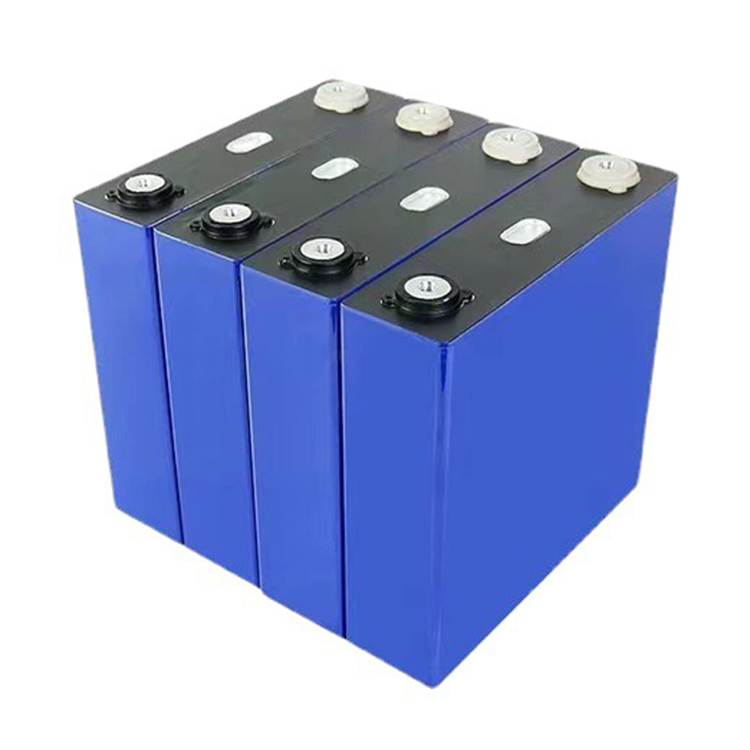
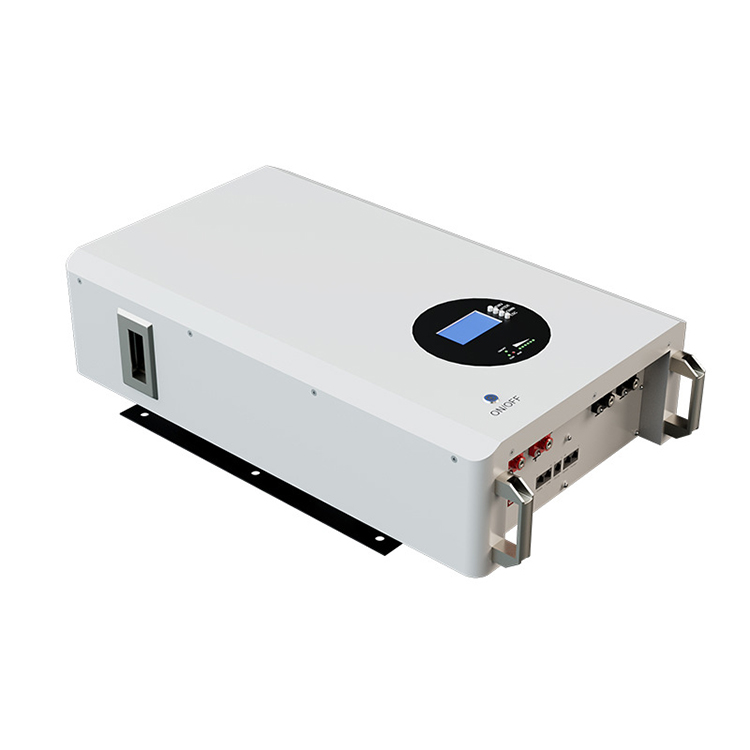
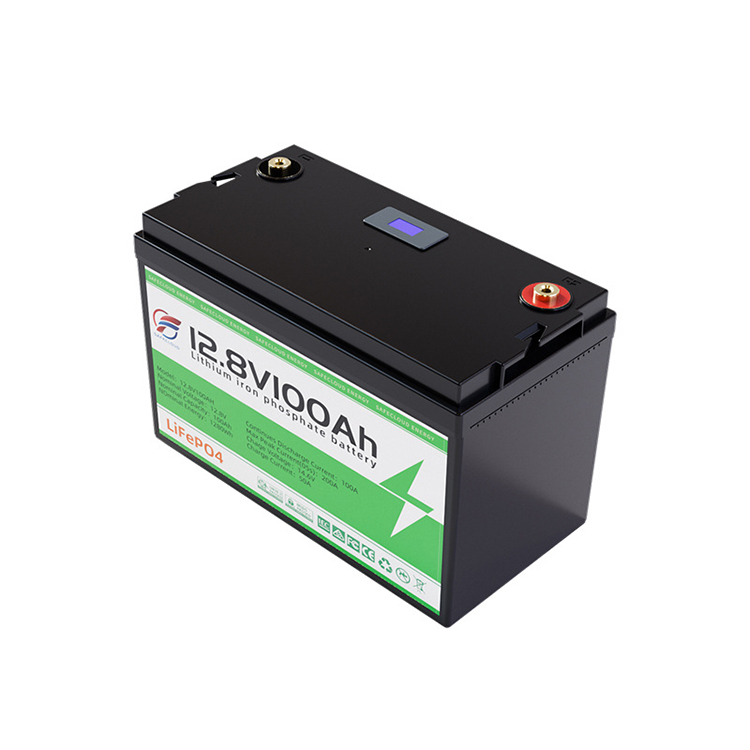
During procurement discussions, another keyword often appears alongside the main product: lithium battery pack, particularly when complete battery assemblies rather than individual cells are evaluated.
The First Weeks Often Matter More Than Expected
A battery pack does not begin its working life when it is installed.
Its history starts much earlier.
Cells are assembled.
Modules are tested.
Finished packs wait for shipment.
Some remain in storage for only a few days.
Others stay in inventory much longer before reaching equipment manufacturers.
Because of these different timelines, a power lithium ion battery can experience different storage conditions before entering normal service.
Warehouse temperature.
Humidity.
Inventory turnover.
All become part of the product's early record.
Transportation Leaves Its Own Footprint
Battery packs travel through several stages before final installation.
Factory.
Warehouse.
Container.
Distribution center.
Assembly plant.
Every transfer introduces vibration, handling, and environmental changes.
Packaging protects the product, but logistics teams still monitor transport conditions for each lithium battery pack, especially during long-distance international shipments.
Many manufacturers review transportation records whenever returned products are analyzed.
The investigation often begins with logistics history rather than electrical testing.
Operating Patterns Rarely Stay Consistent
Some equipment works every day.
Some operates only during certain seasons.
Others remain idle between projects.
This difference changes how a power lithium ion battery experiences charging and discharging throughout its service life.
Engineers frequently compare operating logs instead of looking only at total operating hours.
Two battery packs with similar running time may have followed completely different charging schedules.
That difference becomes valuable during long-term evaluation.
Maintenance Records Build A Larger Picture
Routine inspection reports usually remain concise.
charging history reviewed
connector condition confirmed
storage period recorded
operating cycle updated
Each note appears simple.
Together they create a timeline for every lithium battery pack moving through maintenance departments.
Instead of relying on memory, service teams gradually build complete operating histories that help explain changes observed months or even years later.
Different Applications Produce Different Battery Histories
The same power lithium ion battery may enter completely different working environments after leaving the factory.
One battery becomes part of warehouse handling equipment.
Another powers cleaning machinery.
A third is installed inside compact industrial vehicles.
Although their electrical specifications are similar, their operating records begin to separate almost immediately.
Some machines complete short working cycles throughout the day.
Others remain under continuous load for several hours before returning for charging.
Maintenance engineers often compare these operating histories instead of looking only at battery capacity.
A lithium battery pack used in equipment with predictable daily schedules usually develops a maintenance record that is easier to analyse than one working under irregular demand.
Field observations also show differences in charging opportunities.
Some operators recharge whenever equipment is idle.
Others wait until the end of a shift.
Neither approach immediately determines service condition, but both become part of the battery's operating history.
For this reason, manufacturers frequently request application information before evaluating returned power lithium ion battery products, because the surrounding equipment often explains more than electrical measurements alone.
Daily Environment Continues To Shape Performance
Once installed, the battery becomes part of a larger system.
Ambient temperature changes.
Equipment workload changes.
Charging intervals change.
Operator habits change.
None of these factors immediately alters a power lithium ion battery, but together they influence long-term operating conditions observed during routine maintenance.
Because every application develops its own usage rhythm, engineers often compare batteries working in similar environments before identifying unusual behavior.
Long-term observation usually depends on accumulated operating records rather than isolated measurements, allowing the power lithium ion battery and its associated lithium battery pack history to be evaluated through practical field experience instead of single laboratory tests.

 Building 1 and 2, No. 2269, Jingzhong Road, Hongjia Street, Taizhou, Zhejiang, China
  +86-18857621312
  info@zinntu.com

 English
 русский
 عربى
عربى
