
The Aluminum Alloy Sport Rim Concave Wheel reflects a design direction in which wheel appearance is shaped by more than spoke patterns or finish color. Its recessed center creates a visible sense of depth, giving the wheel a distinctive profile when viewed from the side or at an angle. For automotive brands and distributors, this styling can help differentiate a wheel range while retaining the basic role of the rim as part of the vehicle’s wheel assembly.
Concave designs are not defined by appearance alone. The relationship between the center section, spokes, outer rim, and mounting area determines how the overall shape is formed. Product developers therefore consider the visual profile alongside the dimensions and vehicle fitment requirements that govern whether a wheel is suitable for a particular application.
The concave effect is created through the relationship between the wheel’s central mounting area and its outer section. Spoke shape, angle, and arrangement influence how that recessed profile appears. A spoke design that extends visually toward the rim can create a different impression from one with a broader central area or a more open pattern.
For an Aluminum Alloy Sport Rim Concave Wheel, these design elements need to be considered as a complete composition. The center opening, lug positions, spoke layout, and rim edge all contribute to the finished appearance. Small changes in one area can alter the visual balance of the entire wheel.
This is one reason wheel development involves both styling and engineering coordination. The goal is to establish the intended profile while maintaining the dimensions and mounting arrangement required for the target vehicle. A visually distinctive design still needs to correspond with the vehicle’s wheel specifications.
Aluminum alloy is used in sport wheel designs where manufacturers seek a combination of form and functional component requirements. Compared with a simple flat visual profile, a concave wheel has more noticeable transitions between the center section and the outer rim. Material selection and forming methods are therefore part of the design process.
The exact properties of a finished wheel depend on its alloy composition, manufacturing method, dimensions, and structural design. These details should be confirmed for the specific model rather than assumed from the general term “aluminum alloy.” For B2B buyers, model-level documentation is useful when comparing wheels intended for different vehicle platforms.
Taizhou Zinntu Intelligent Technology Co., Ltd. lists the Aluminum Alloy Sport Rim Concave Wheel within its wheels and rims range. The product category also includes off-road forged wheels, passenger-car wheels, and other rim designs, reflecting different styling and vehicle-use categories within the broader wheel market.
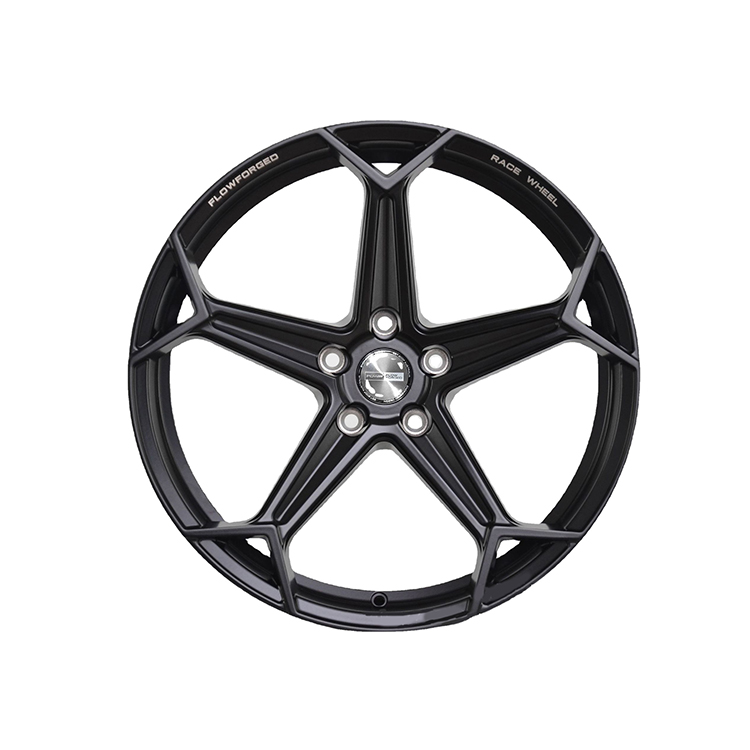
A wheel’s visual profile is only one part of product selection. Diameter, width, bolt pattern, center bore, offset, and load requirements may all affect compatibility with a vehicle. These specifications need to be matched with the intended application and the vehicle manufacturer’s requirements.
For distributors developing a wheel assortment, fitment information helps separate products that may look similar but serve different vehicle configurations. A concave design does not automatically indicate a particular offset, diameter, or load capacity. Those details depend on the individual wheel model.
The Aluminum Alloy Sport Rim Concave Wheel should therefore be evaluated through both its styling and its documented fitment data. This is particularly relevant for private-label programs or distributors managing several wheel sizes, where clear model identification supports accurate product selection and inventory organization.
Surface finish and spoke styling contribute to how a wheel is positioned within a product collection. A single wheel profile may be presented in different finishes, while variations in spoke geometry can create a separate visual identity across models. The available finish options should be confirmed for each product rather than generalized across an entire category.
For brands building a coordinated range, consistency between wheel design, finish, and target vehicle type can be more useful than treating each wheel as an isolated style. Sport-oriented passenger vehicles, utility vehicles, and off-road platforms may call for different visual approaches and fitment specifications.
The concave profile gives the Aluminum Alloy Sport Rim Concave Wheel a recognizable design feature, while finish and dimensional options help determine its place in a wider assortment.
Wheel development brings together the intended appearance, material, dimensions, and mounting requirements. The product’s outer profile must work with the central mounting area and the vehicle’s fitment conditions. This coordination is relevant from early design decisions through model documentation and production planning.
Zinntu’s wheel and rim category includes several aluminum alloy designs, including concave sport rims and off-road wheel options. For B2B buyers, reviewing each model’s confirmed dimensions, mounting details, finish, and application provides a clearer basis for assortment planning than relying on styling descriptions alone.
As wheel collections continue to diversify, the Aluminum Alloy Sport Rim Concave Wheel illustrates how visual design and fitment specifications operate together. Its concave form establishes the styling direction, while model-specific dimensions determine where that design can be used.



 Building 1 and 2, No. 2269, Jingzhong Road, Hongjia Street, Taizhou, Zhejiang, China
  +86-18857621312
  info@zinntu.com

 English
 русский
 عربى
عربى
