
Propulsion has become an important engineering consideration as unmanned vehicles, drones, autonomous boats, and other electric platforms are designed for longer and more demanding operating cycles. A Brushless DC Thrust Motor does more than provide rotational movement. Its relationship with propellers, controllers, batteries, vehicle weight, and operating conditions determines how effectively electrical energy can be converted into propulsion. This makes motor selection part of the wider propulsion-system design rather than an isolated component decision.
The motor provides rotational power, but the final thrust depends on how the motor works with the propeller and the rest of the propulsion system. A Brushless DC Thrust Motor therefore needs to be considered according to required speed, torque, thrust, voltage, and operating environment.
Zinntu's motor range includes a Brushless DC Thrust Motor alongside motors developed for drones, unmanned vehicles, electric skateboards, and other applications. Its product information describes these motors in relation to autonomous marine vehicles, UAVs, underwater drones, and autonomous land vehicles.
For equipment developers, this application diversity means that motor parameters cannot be separated from the platform on which the motor will eventually operate.
An electric motor contributes directly to the weight of a mobile system. Adding motor mass can influence battery requirements, available payload, and overall vehicle efficiency, particularly for aerial or small marine platforms where weight has a direct relationship with operating performance.
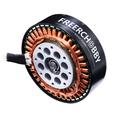
A Brushless DC Thrust Motor designed for an unmanned platform therefore needs to provide an appropriate balance between motor weight and usable output. Zinntu's motor information specifically identifies a high torque-to-weight ratio as a feature for propulsion applications where strong output needs to be achieved without adding unnecessary weight.
This consideration becomes especially relevant for drones and compact autonomous vehicles, where the available space and total system weight may be limited.
A motor cannot be evaluated independently from its controller. Speed and torque need to be managed according to the operating requirements of the vehicle, while changes in load can require corresponding adjustments in electrical power.
The Brushless DC Thrust Motor is therefore part of a broader electric drive system. Zinntu describes its electrical system as an integration of motor, electronic control, and battery, with the control unit monitoring and adjusting motor performance based on operating data.
For propulsion-system developers, this relationship is important because the motor's rated performance does not automatically represent the performance of the complete vehicle. Controller settings, battery voltage, propeller selection, and load conditions all influence actual operation.
Marine propulsion introduces additional considerations because motors can be exposed to humidity, saltwater, and changing temperatures. Components used in autonomous boats or underwater equipment therefore require protection against the environmental conditions associated with their application.
Zinntu's motor information identifies corrosion resistance and waterproofing among the features considered for unmanned marine and underwater applications. The stated applications include autonomous boats, submarines, and underwater drones used for research, inspection, and other operations.
For a Brushless DC Thrust Motor, environmental protection therefore needs to be evaluated together with electrical output and mechanical integration.
Aerial platforms introduce another set of requirements. A drone motor must provide sufficient rotational performance while remaining compact and relatively light. The motor also needs to respond to changes in operating conditions through the electronic control system.
Zinntu's motor portfolio includes brushless motors for drones, quadcopters, UAVs, and other aerial platforms, with product descriptions emphasizing compact construction and high power-to-weight considerations.
This shows why the same general brushless motor concept can lead to very different product configurations depending on whether the target application is aerial, marine, or land-based.
Motor performance is also closely connected with the battery. A higher-output motor can require greater electrical input, while battery voltage and available capacity influence operating duration.
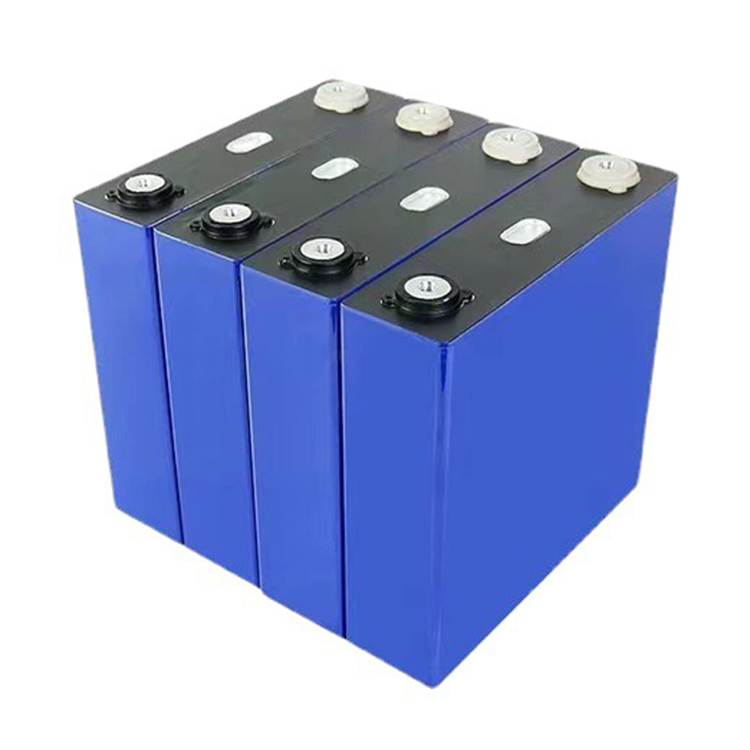
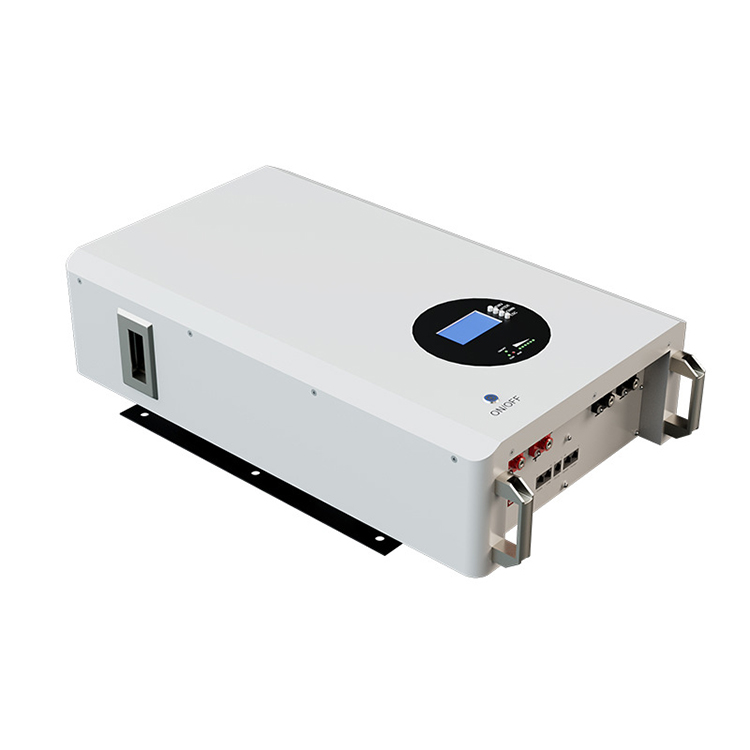
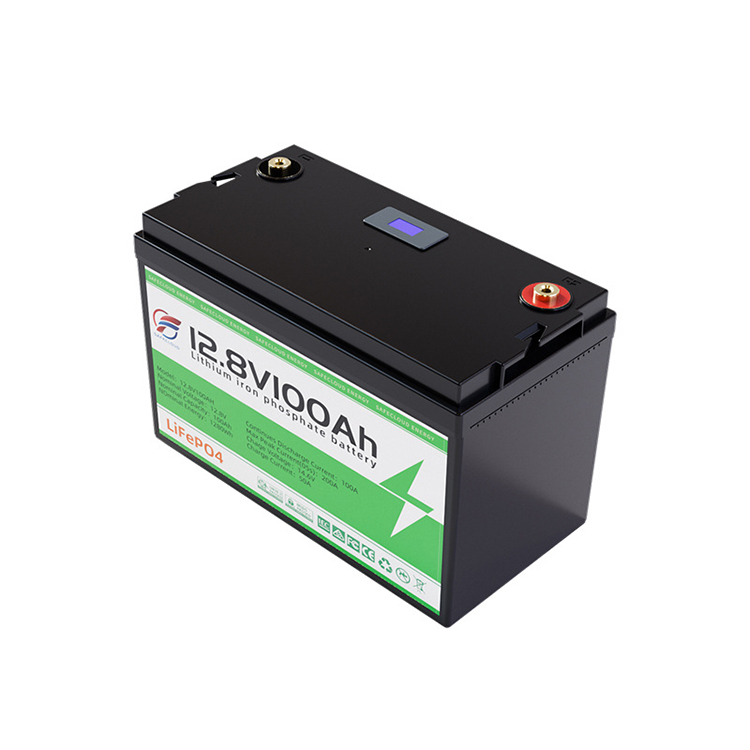
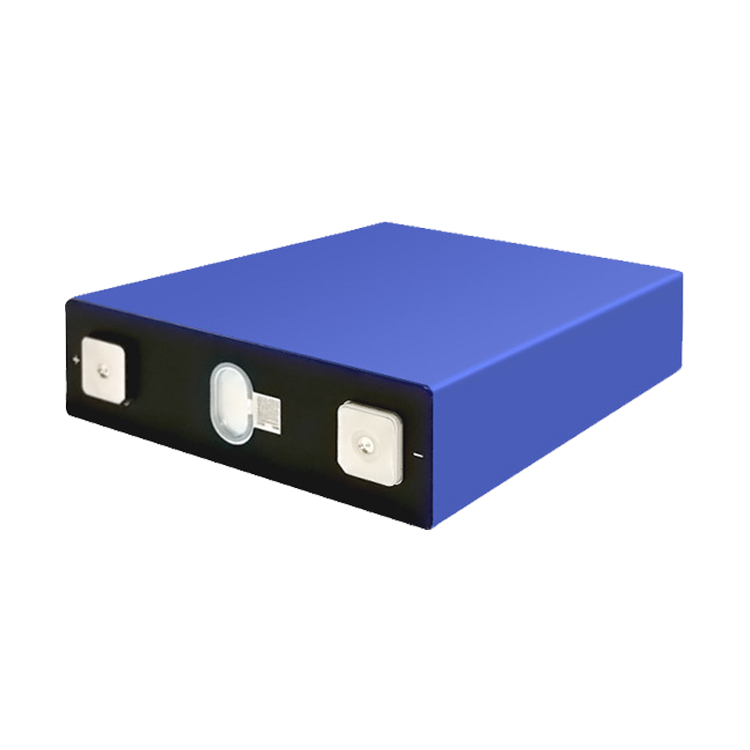
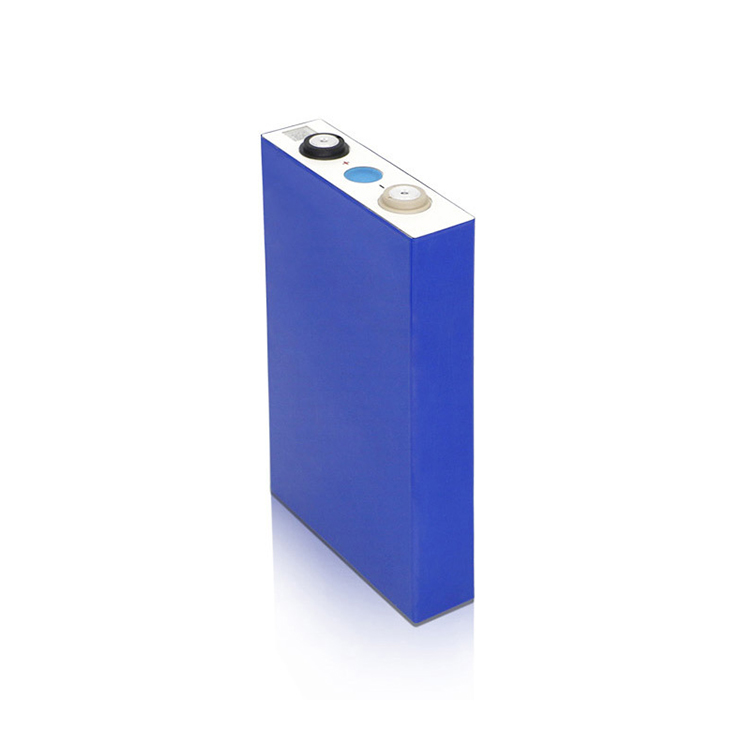
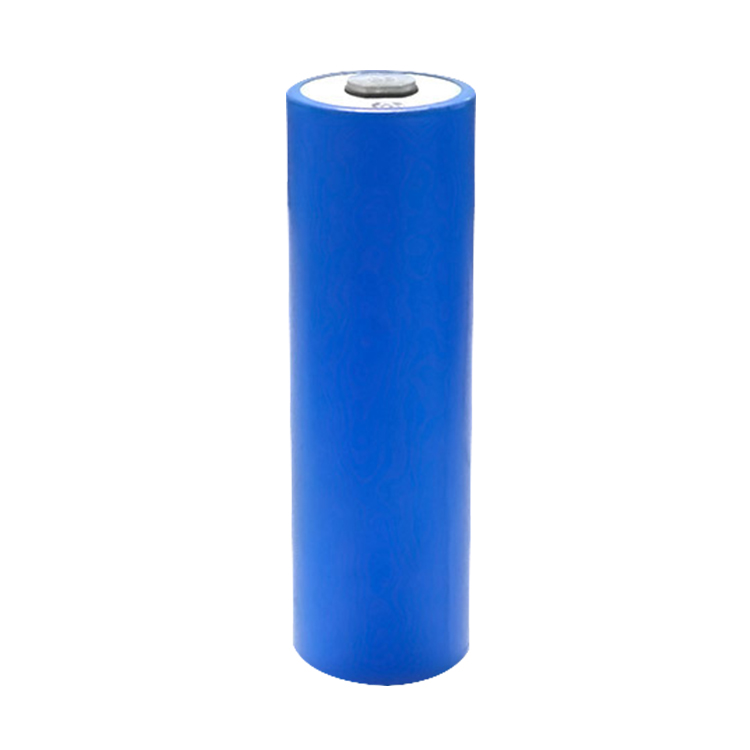
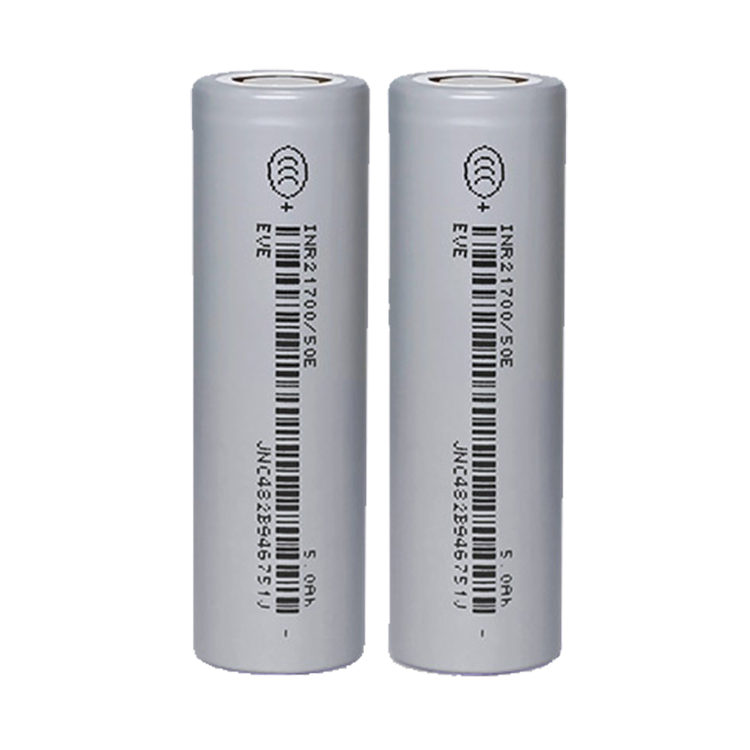
For a Brushless DC Thrust Motor, developers therefore need to consider the complete electrical chain: battery, controller, motor, and propulsion mechanism. Zinntu's integrated electrical-system approach combines these elements and identifies battery management, motor efficiency, and electronic control as connected parts of the overall system.
This approach can be particularly useful for unmanned equipment where available energy is limited and propulsion represents a significant part of the total power demand.
The development of a Brushless DC Thrust Motor reflects the broader shift toward integrated electric propulsion. Instead of comparing motors only by rated power, equipment developers increasingly need to examine torque, speed, weight, environmental protection, controller compatibility, battery voltage, and the characteristics of the intended propeller or transmission system.
For B2B buyers, these parameters provide a more practical way to evaluate whether a motor corresponds with a particular unmanned platform. A motor suitable for an underwater drone may have different requirements from one designed for a UAV or autonomous land vehicle.
As electric propulsion expands across unmanned equipment, the Brushless DC Thrust Motor is becoming one part of a coordinated drive architecture. Its effectiveness depends not only on the motor itself but also on how electrical control, energy storage, mechanical transmission, and environmental protection are designed around it.

 Building 1 and 2, No. 2269, Jingzhong Road, Hongjia Street, Taizhou, Zhejiang, China
  +86-18857621312
  info@zinntu.com

 English
 русский
 عربى
عربى
