
 English
 русский
 عربى
عربى

Industry News
Home / News / Industry News / Lithium Iron Phosphate Batteries Energy Storage Moves Toward System Design

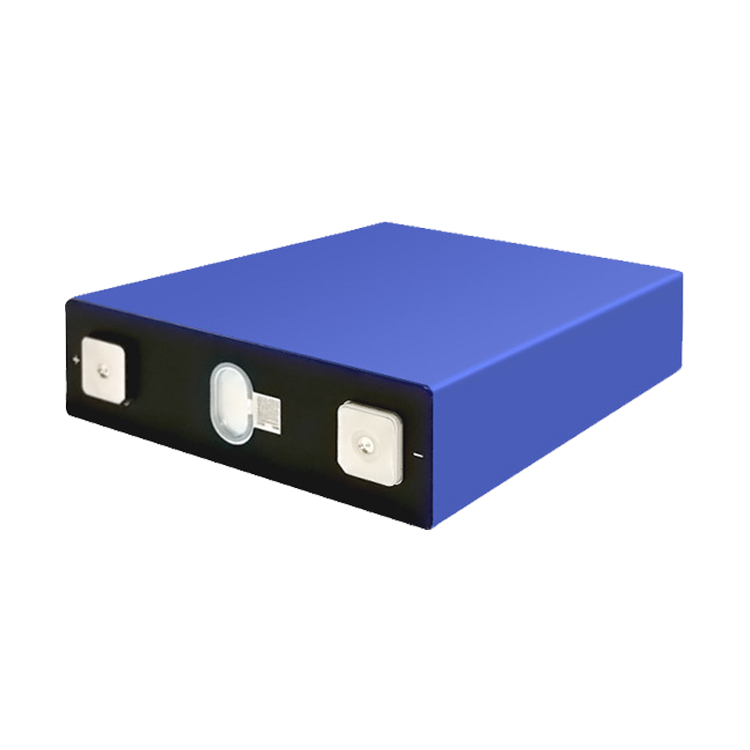
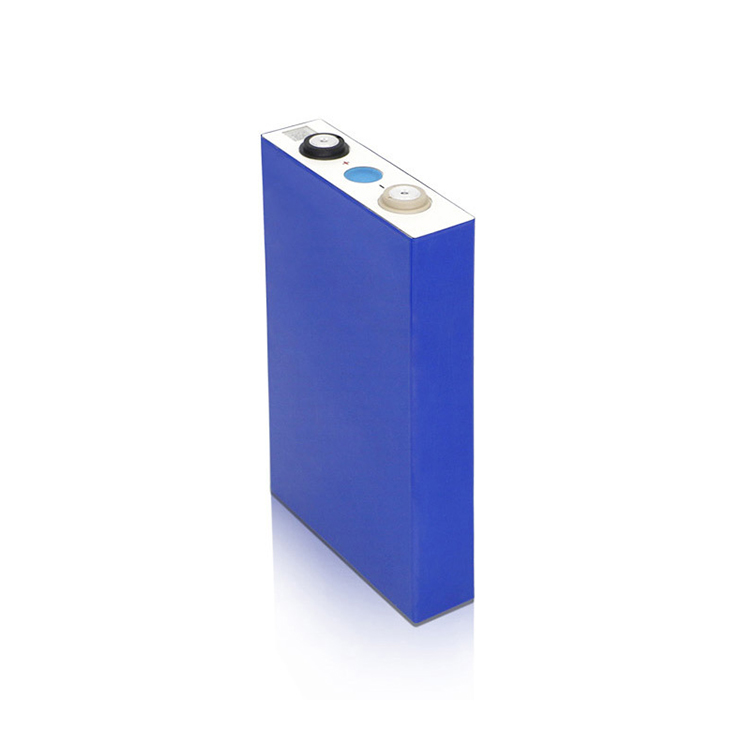
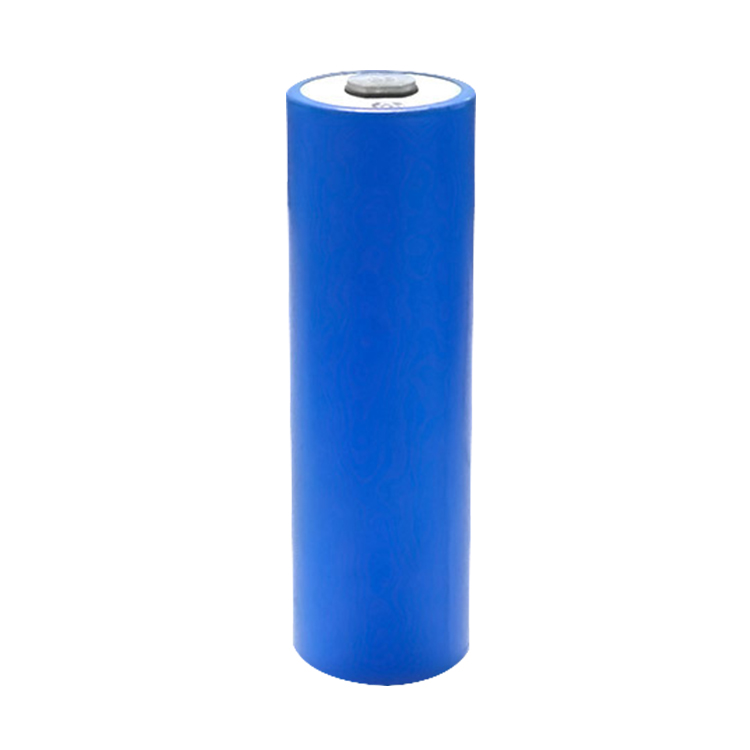
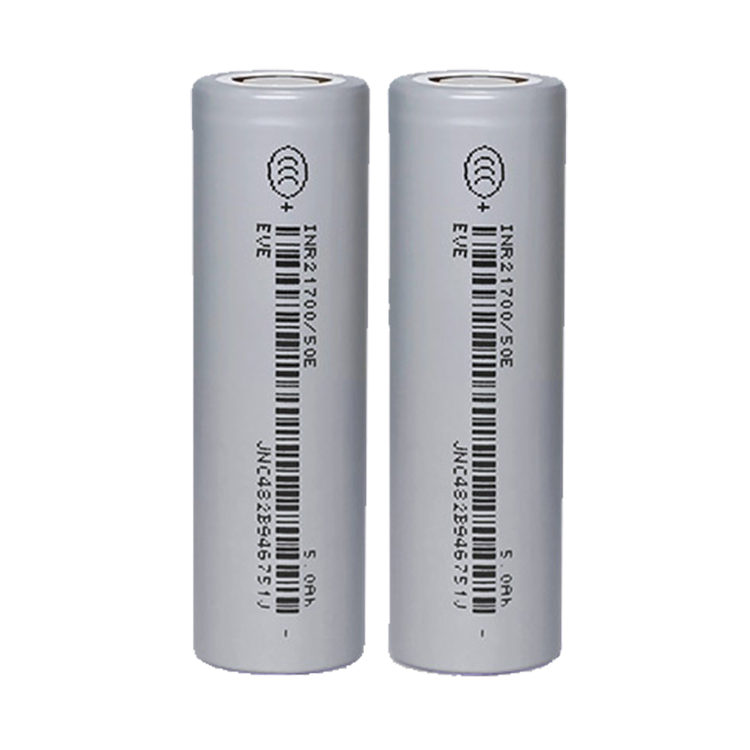
Energy storage projects are increasingly being designed around complete battery systems rather than individual cells. Lithium Iron Phosphate Batteries Energy Storage is part of this shift, with system developers paying attention to battery management, thermal control, module configuration, voltage, communication, and expansion alongside basic capacity. Zinntu's battery range includes aluminum-shell, wall-mounted, modular, cylindrical, and other lithium battery configurations, reflecting different approaches to energy storage applications.
Capacity remains an important specification, but two battery systems with similar capacity can have different structures and operating characteristics. The way cells are arranged, monitored, protected, cooled, and connected to external equipment can affect how the finished system fits into an energy-storage project.
For Lithium Iron Phosphate Batteries Energy Storage, this makes the battery pack an important engineering layer between individual cells and the wider electrical system.
Zinntu's battery information describes modular designs that can be configured according to different power requirements, while its broader electrical-system platform combines batteries with motors and electronic control equipment.
This approach allows system developers to consider storage capacity together with the actual application.
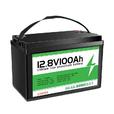
A battery management system is one of the key components in modern battery packs. It monitors parameters such as voltage, current, temperature, and state of charge while providing protective functions for the battery system.
In Lithium Iron Phosphate Batteries Energy Storage, BMS configuration therefore needs to correspond with the cell arrangement and intended operating conditions. Zinntu identifies BMS as a core feature of its battery systems, describing monitoring and protection functions related to charging, discharging, temperature, and battery condition.
For B2B buyers, this means the BMS should be evaluated as part of the battery architecture rather than as an independent electronic accessory.
Battery performance can be affected by operating temperature. Energy storage equipment may be installed in environments with significant temperature changes, making thermal management an important consideration during system design.
Zinntu's Lithium Iron Phosphate Batteries Energy Storage solutions include thermal management as part of their system features. The company's battery information describes thermal regulation as a way of maintaining suitable operating conditions and supporting battery performance under different environmental conditions.
This becomes particularly relevant when battery systems are used in mobile platforms, ships, or other equipment exposed to changing environmental conditions.
Energy requirements can vary significantly between applications. A small mobile platform does not require the same battery configuration as a large vessel or an industrial energy system.
Modular battery architecture allows capacity and power requirements to be addressed through different combinations of battery modules. Zinntu describes its lithium battery systems as scalable, with modules that can be added or removed according to the requirements of autonomous vehicles and ships.
For Lithium Iron Phosphate Batteries Energy Storage, modularity can therefore influence both initial system design and later expansion. The practical configuration still depends on voltage, current, available space, communication, and the requirements of the connected equipment.
Some applications require more than a compact low-voltage battery pack. Larger electric vehicles, ships, and energy-intensive equipment can require higher voltage and power output to support their operating systems.
Zinntu's battery information identifies high-voltage and high-power output as features for applications including autonomous vehicles and ships. It also describes scalable capacity for different vehicle and vessel sizes.
This means Lithium Iron Phosphate Batteries Energy Storage can involve substantially different system architectures depending on the application. Cell chemistry may remain similar while the pack structure, electrical configuration, thermal management, and control system change.
A battery rarely operates alone in a modern electric system. It may connect with a motor controller, inverter, charging equipment, energy management system, or other electronic components.
Zinntu's electrical-system information describes a combined architecture containing motor, electronic control, and battery, with communication and monitoring functions designed to connect different parts of the system.
For Lithium Iron Phosphate Batteries Energy Storage, this system-level connection means communication interfaces and control logic can be as relevant to integration as the battery's nominal capacity.
Although lithium iron phosphate batteries are widely associated with stationary energy storage, their use can extend into mobile and transportation applications. Zinntu identifies autonomous vehicles, autonomous ships, logistics equipment, and port operations among the applications of its battery systems.
This broad application range creates different priorities. A stationary system may place greater emphasis on installation space and expansion, while a mobile platform may focus more heavily on weight, vibration, charging, and available operating range.
The Lithium Iron Phosphate Batteries Energy Storage concept is therefore becoming increasingly application-specific.
The development of Lithium Iron Phosphate Batteries Energy Storage is no longer limited to increasing the amount of energy stored inside a battery. Cell selection, BMS, thermal management, modularity, voltage architecture, communication, and integration with other electrical equipment all contribute to the final system.
For B2B buyers, evaluating these factors together can provide a clearer understanding of whether a battery configuration fits a particular vehicle, vessel, or energy-storage project.
As energy storage becomes more closely integrated with electric drive systems and intelligent controls, lithium iron phosphate batteries are increasingly being developed as configurable system components rather than standalone energy containers. The focus is moving toward how storage capacity, control, protection, and system integration work together in the final application.

 Building 1 and 2, No. 2269, Jingzhong Road, Hongjia Street, Taizhou, Zhejiang, China
  +86-18857621312
  info@zinntu.com