
Boat builders and equipment manufacturers configuring outboard power systems often underestimate the extent to which propeller selection affects overall vessel performance. A marine propeller for outboard engine applications does far more than convert rotation into thrust; pitch, diameter, and blade count interact with hull design and engine output in ways that determine fuel efficiency, top speed, and acceleration characteristics simultaneously.
Matching Propeller Specifications to Engine Output
Engine manufacturers publish recommended RPM ranges, and selecting a marine propeller for outboard engine setups that keeps the motor within that range under full load prevents both underperformance and mechanical strain. A propeller with excessive pitch forces the engine to labor below its ideal RPM range, reducing both power delivery and long-term engine longevity. Conversely, too little pitch allows the engine to overrev without the boat actually gaining meaningful speed, wasting fuel while adding unnecessary wear.
Outboard propeller compatibility varies not just by engine horsepower but by boat weight and intended use, which is why experienced buyers avoid selecting propellers based purely on horsepower rating charts. A heavily loaded work boat and a lightweight recreational hull paired with identical engines often perform best with meaningfully different propeller specifications, since displacement and hull resistance change how the engine's power actually translates into forward motion.
Material Selection and Durability
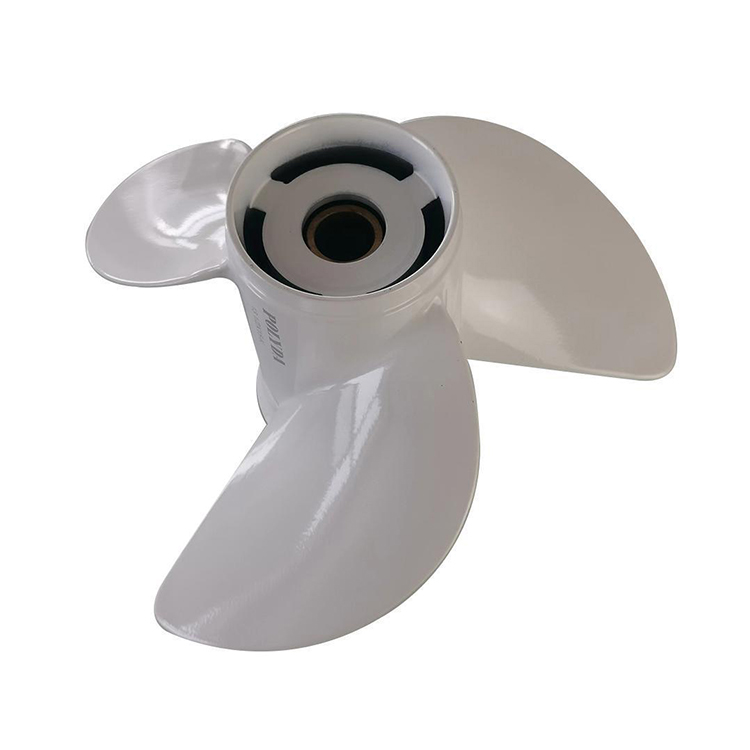
Aluminum remains the standard choice for a marine propeller for outboard engine applications where cost efficiency matters more than marginal performance gains, particularly for recreational and light commercial use. Stainless steel alternatives offer improved rigidity under load, reducing blade flex that can steal efficiency during aggressive maneuvering or high-speed operation. Buyers sourcing for commercial fleets increasingly weigh the higher upfront cost of stainless propellers against reduced replacement frequency, since aluminum blades tend to deform more readily after striking submerged debris.
Boat propeller manufacturer selection also affects how well a replacement propeller matches original equipment tolerances. Buyers replacing damaged propellers on existing fleets often find that working with a single consistent supplier reduces variance in fit and balance across replacement units, which matters for maintaining predictable vibration levels across a boat fleet.
Blade Count and Cavitation Behavior
Three blade propellers remain common for general recreational use, offering a reasonable balance between top speed and fuel efficiency. Four blade configurations of a marine propeller for outboard engine setup typically improve low speed handling and reduce cavitation during sharp turns, making them a frequent choice for boats prioritizing control over maximum top end speed. Commercial operators running boats through variable load conditions throughout the day often prefer this tradeoff, since predictable handling matters more than shaving a few miles per hour off top speed.
Cavitation itself remains one of the most common complaints among buyers troubleshooting propeller performance issues. Improperly sized or damaged propellers create air bubbles around the blade surface that reduce thrust efficiency and generate excessive vibration, a problem that often gets misdiagnosed as an engine issue when the propeller itself is actually the source.
Sourcing Considerations for Boat Builders
Manufacturers building outboard-powered vessels at scale increasingly request custom pitch and diameter combinations rather than selecting purely from standard catalog options. A marine propeller for an outboard engine produced to exact specifications allows boat builders to fine-tune performance characteristics for a specific hull design rather than accepting the compromises inherent in generic sizing.
Lead times for custom propeller orders vary considerably depending on material choice, with stainless steel typically requiring longer production cycles than aluminum due to more intensive casting and finishing processes. Buyers planning production schedules around new boat models often build this lead time difference into their sourcing timeline well before finalizing hull design, since propeller specification changes made late in development can create costly delays.
As outboard engine power continues increasing across recreational and commercial vessel categories, propeller selection has moved from an afterthought to a specification decision made in close coordination with engine and hull engineering teams from the earliest design stages.

 Building 1 and 2, No. 2269, Jingzhong Road, Hongjia Street, Taizhou, Zhejiang, China
  +86-18857621312
  info@zinntu.com

 English
 русский
 عربى
عربى
