
What Are the Characteristics of an Electric Motor?
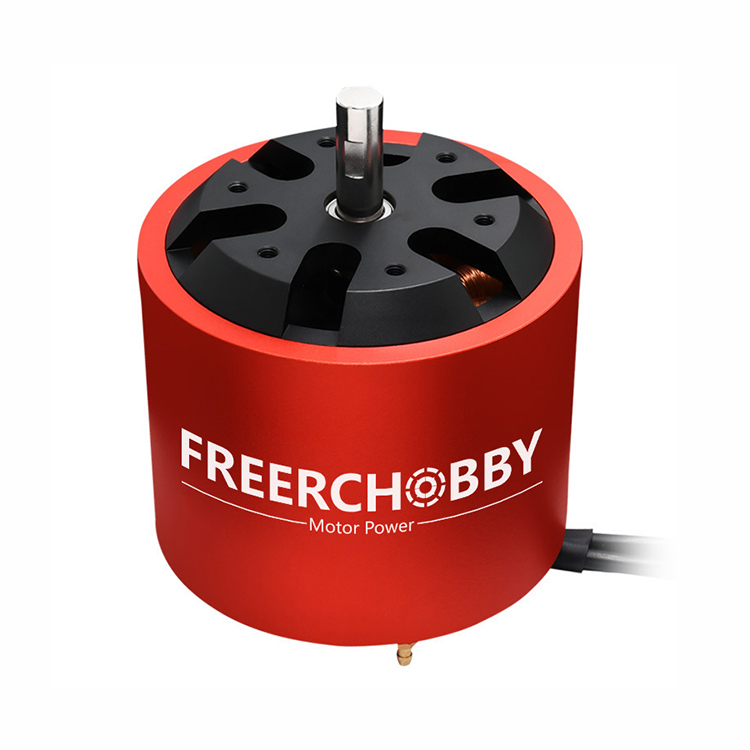
The construction of an electric motor determines its functionality and suitability for different applications.
Stator and Rotor: The stator is the stationary part of the motor that produces a magnetic field, while the rotor is the rotating part that responds to the magnetic field to generate motion. The interaction between the two components is fundamental to motor operation.
Windings and Coils: Copper or aluminum windings are wound around the stator or rotor, creating electromagnetic fields when electrical current passes through. The number of turns, wire gauge, and winding pattern affect torque and speed.
Housing and Bearings: The motor housing protects internal components from dust, moisture, and mechanical damage, while bearings support smooth rotation and reduce friction.
Function: A well-designed construction ensures mechanical stability, reliable magnetic interaction, and efficient energy conversion, supporting the motor's intended application.
Performance Parameters: Torque, Speed, and Power
Electric motors are characterized by specific performance parameters that determine how they operate under various loads.
Torque: Torque is the rotational force produced by the motor. It is a critical factor for applications that require moving heavy loads or starting under resistance.
Speed: The rotational speed, measured in revolutions per minute (RPM), influences the rate of mechanical output. Motors can be designed for low-speed high-torque applications or high-speed low-torque operations.
Power Rating: Motor power, typically expressed in watts or horsepower, indicates the amount of mechanical work the motor can perform over time. It should match the requirements of the connected equipment.
Function: Evaluating these parameters ensures that the motor delivers sufficient mechanical energy efficiently and meets operational demands without overloading or underperforming.
Operational Efficiency: Energy Conversion and Heat Management
Efficiency reflects the motor's ability to convert electrical energy into mechanical energy with minimal losses.
Energy Conversion: High-efficiency motors convert a greater proportion of electrical energy into usable mechanical output, reducing energy waste.
Heat Generation: Electrical resistance and mechanical friction produce heat during operation. Motors with effective cooling mechanisms, such as fans, liquid cooling, or ventilation channels, maintain performance and prevent damage.
Duty Cycle: The operating duration relative to rest periods affects efficiency and longevity. Motors designed for continuous duty can operate for extended periods without overheating, while intermittent duty motors require breaks to manage temperature.
Function: Understanding operational efficiency helps in selecting motors that balance energy use, performance, and thermal management, improving cost-effectiveness and reliability.
Maintenance and Safety Features: Longevity and Protection
Maintenance and safety characteristics influence the motor's lifespan and safe operation.
Wear Components: Bearings, brushes, and seals are subject to wear. Proper lubrication and scheduled inspection reduce friction and extend motor life.
Protection Systems: Motors may include overload protection, short-circuit protection, and thermal cutoffs to prevent damage due to electrical or mechanical faults.
Ease of Maintenance: Motors with modular design and accessible components allow easier replacement of worn parts, reducing downtime.
Function: Prioritizing maintenance and safety features ensures reliable operation, reduces the risk of accidents, and extends the service life of the motor.
The design of the stator, rotor, windings, and housing affects mechanical stability and energy conversion. Performance parameters such as torque, speed, and power rating determine how effectively the motor meets operational requirements. Operational efficiency considers energy conversion, heat management, and duty cycles to maintain performance while losses. Maintenance and safety features ensure long-term reliability, reduce wear, and protect against potential hazards. Understanding these characteristics enables proper selection, operation, and care of electric motors in diverse industrial, commercial, and household applications.

 Building 1 and 2, No. 2269, Jingzhong Road, Hongjia Street, Taizhou, Zhejiang, China
  +86-18857621312
  info@zinntu.com

 English
 русский
 عربى
عربى
