
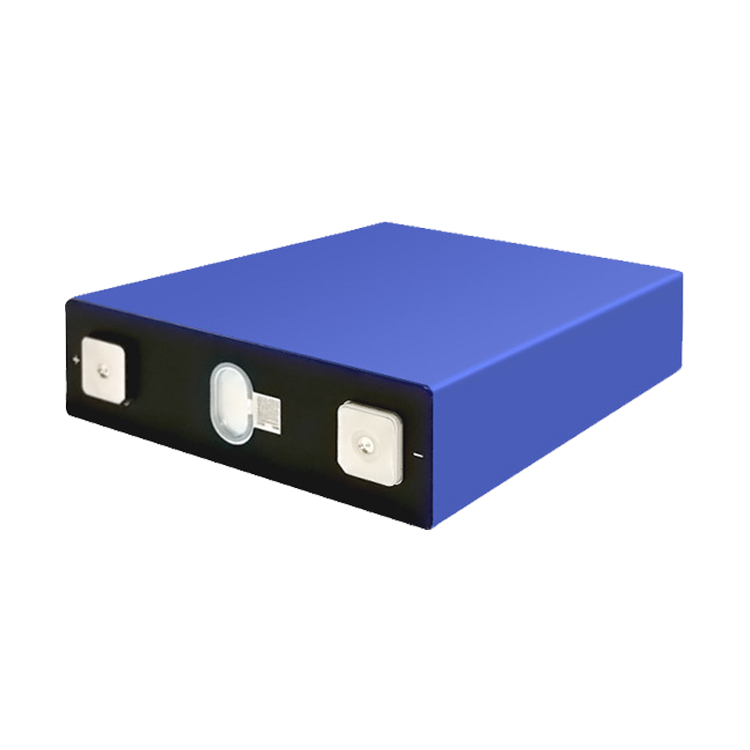
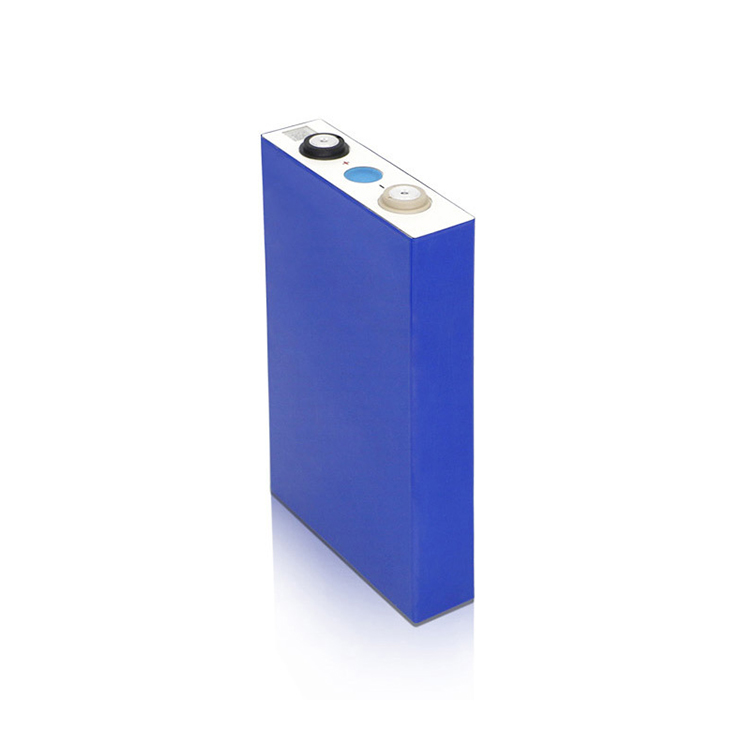
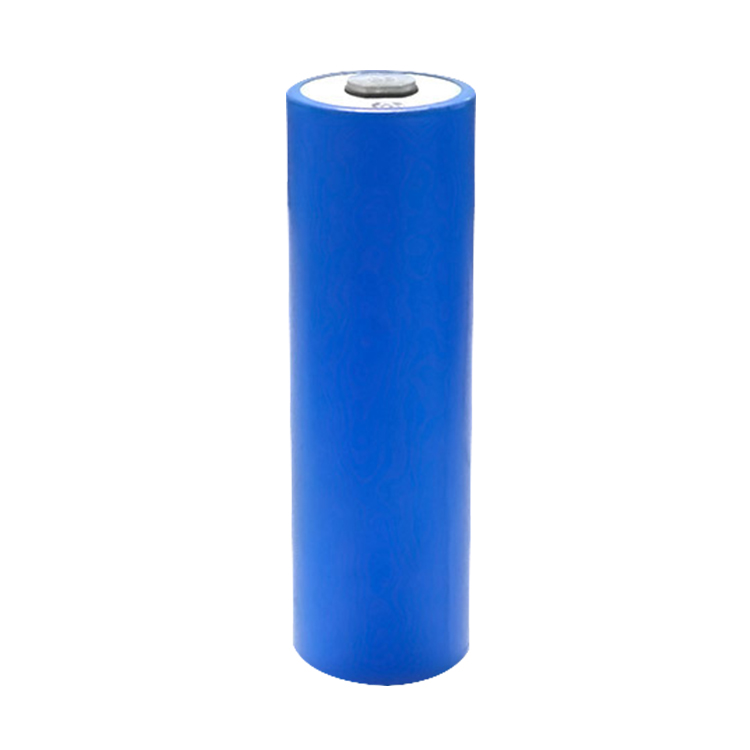
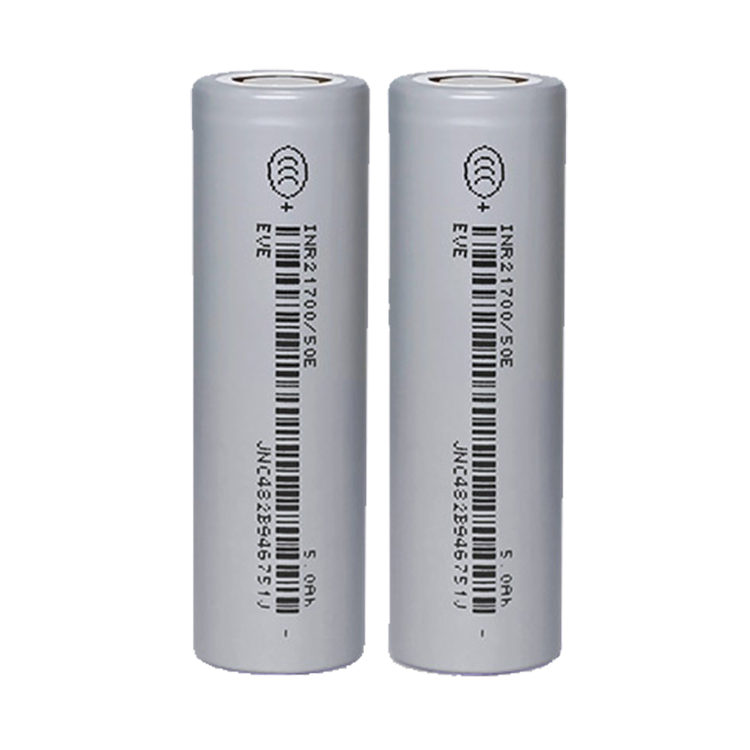
Ternary lithium batteries are a type of lithium-ion battery that use three metal elements—typically nickel, cobalt, and manganese (NCM) or nickel, cobalt, and aluminum (NCA)—in the cathode material. These batteries are widely used in electric vehicles, energy storage systems, and portable electronics due to their relatively high energy density and stable performance.
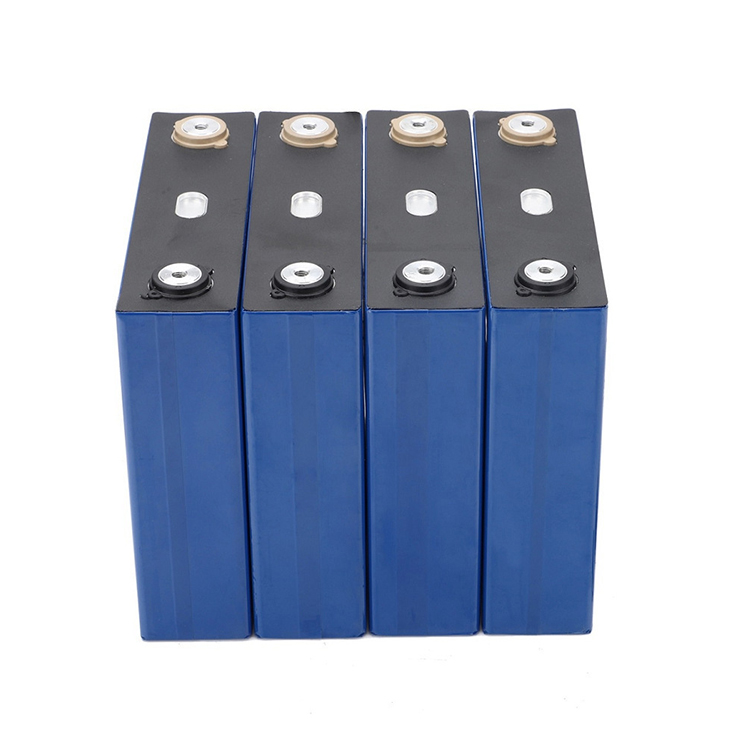
NCM Lithium Batteries (Nickel-Cobalt-Manganese)
NCM lithium batteries are one of the common types of ternary lithium batteries. The cathode is composed of nickel, cobalt, and manganese, typically in ratios such as 1:1:1, 5:3:2, or 8:1:Each metal contributes distinct properties: nickel increases energy density, cobalt improves stability and safety, and manganese enhances thermal stability and reduces cost.
These batteries are widely used in electric vehicles, power tools, and energy storage systems. The NCM design allows for a balance between capacity, lifespan, and safety. Variations in the metal ratios allow manufacturers to tailor performance characteristics, such as improving energy density for longer driving ranges in vehicles or enhancing stability for stationary storage applications.
NCA Lithium Batteries (Nickel-Cobalt-Aluminum)
NCA lithium batteries use nickel, cobalt, and aluminum in the cathode. Nickel provides higher energy density, cobalt supports structural stability and cycling performance, and aluminum contributes to safety and thermal stability.
These batteries are often used in applications where high energy density is required, such as long-range electric vehicles. NCA batteries typically offer a higher capacity compared to some NCM configurations, though they may require careful thermal management to maintain safe operation. They are also used in some industrial energy storage systems and high-performance electronics, where compact, lightweight energy sources are preferred.
Low-Cobalt or Cobalt-Reduced Batteries
A variation of ternary lithium batteries involves reducing the cobalt content to lower costs and reduce reliance on limited resources. These batteries still use nickel and manganese or aluminum as part of the cathode composition but limit cobalt to a small fraction.
Low-cobalt ternary lithium batteries are designed to maintain high energy density while improving affordability and sustainability. They are often found in mid-range electric vehicles, consumer electronics, and energy storage systems where cost considerations are important. Reducing cobalt can affect thermal stability and cycle life, so these batteries require careful design and management to maintain reliable performance.
High-Nickel Batteries
High-nickel ternary lithium batteries increase the proportion of nickel in the cathode to enhance energy density. Common configurations include NCM 811 (eight parts nickel, one part cobalt, one part manganese).
These batteries are suitable for applications requiring extended operating range, such as electric vehicles with long-distance capabilities or high-capacity energy storage units. Increasing nickel content improves energy density but may reduce stability and safety if not carefully managed. High-nickel batteries often include protective coatings and advanced thermal management systems to address these challenges.
Ternary lithium batteries are a type of lithium-ion battery using combinations of nickel, cobalt, and either manganese or aluminum in the cathode. NCM batteries balance capacity, stability, and cost, while NCA batteries emphasize high energy density for long-range or high-performance applications. Low-cobalt versions focus on reducing costs and resource dependency, and high-nickel batteries increase energy density for extended usage. Each type has distinct characteristics suited to different applications, from electric vehicles and energy storage systems to portable electronics, allowing manufacturers to select the appropriate battery based on performance, safety, and cost requirements. Understanding these types helps guide decisions in the growing field of lithium battery technology.

 Building 1 and 2, No. 2269, Jingzhong Road, Hongjia Street, Taizhou, Zhejiang, China
  +86-18857621312
  info@zinntu.com

 English
 русский
 عربى
عربى
