
An electric vehicle (EV) controller is a critical component that manages the power delivery from the battery to the motor, regulating speed, torque, and efficiency. Choosing the right controller is essential for the performance, safety, and longevity of an electric vehicle. Several factors must be considered when selecting an EV controller, including compatibility, power requirements, features, and durability.
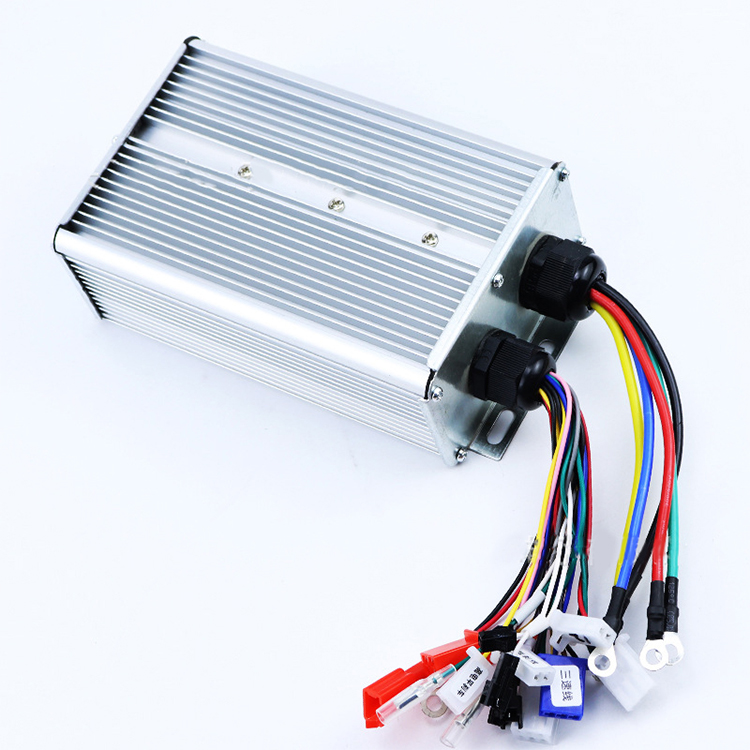
What Type of Motor Does the Controller Support?
The question to consider is the type of motor that the controller is designed to support. Electric vehicles can use different types of motors, including brushed DC, brushless DC (BLDC), and AC induction motors.
Controllers are often designed specifically for one motor type. For example, a BLDC motor requires a controller capable of managing precise electronic commutation and phase control, while a brushed DC motor controller handles simpler on-off and voltage modulation. Selecting a controller that matches the motor type ensures efficient performance, reduces the risk of overheating or damage, and allows the motor to operate according to the manufacturer's specifications.
What Are the Voltage and Current Requirements?
Another key consideration is the voltage and current rating of the controller. The controller must be compatible with the battery pack used in the vehicle and capable of handling the motor's power requirements.
Voltage compatibility ensures that the controller can operate safely within the battery's range, while the current rating determines how much power can be delivered to the motor without causing damage or excessive heat. Controllers with adjustable current limits provide additional flexibility, allowing users to optimize performance based on vehicle load and driving conditions. Understanding these electrical specifications helps prevent controller failure and ensures stable operation under various conditions.
Which Features Are Necessary for the Vehicle?
Electric vehicle controllers come with different features that enhance performance, safety, and user control. Common features include regenerative braking, programmable acceleration curves, speed limit settings, thermal protection, and communication interfaces such as CAN bus or UART.
Regenerative braking allows the motor to recover energy during deceleration, improving efficiency. Programmable acceleration curves provide smoother start-up and reduced mechanical stress on the drivetrain. Thermal protection prevents overheating of the motor and controller, extending the lifespan of both components. Considering which features are necessary for a particular vehicle helps users select a controller that meets their operational needs while maintaining safety and efficiency.
How Reliable and Durable Is the Controller?
Durability and reliability are important when choosing an EV controller, especially for vehicles exposed to harsh environments or frequent use. Factors such as build quality, cooling mechanisms, and protective enclosures contribute to the controller's lifespan.
Controllers with metal housings, adequate heat sinks, or active cooling fans can operate for longer periods without overheating. Dust, water, and vibration resistance are also important for outdoor or off-road vehicles. Reviewing manufacturer specifications, certifications, and user feedback can help identify controllers that offer consistent performance under typical usage conditions. Selecting a durable controller reduces maintenance needs and ensures the vehicle operates safely over time.
Choosing an electric vehicle controller involves several considerations that affect performance, safety, and durability. The motor type is a primary factor, as the controller must be compatible with either brushed DC, BLDC, or AC induction motors. Voltage and current requirements ensure that the controller can handle the battery and motor specifications without failure. Evaluating necessary features such as regenerative braking, acceleration control, and thermal protection helps users optimize performance and safety. Finally, reliability and durability determine the controller's lifespan and suitability for different environments. By addressing these four questions, users can select an EV controller that supports efficient, safe, and consistent vehicle operation.

 Building 1 and 2, No. 2269, Jingzhong Road, Hongjia Street, Taizhou, Zhejiang, China
  +86-18857621312
  info@zinntu.com

 English
 русский
 عربى
عربى
