
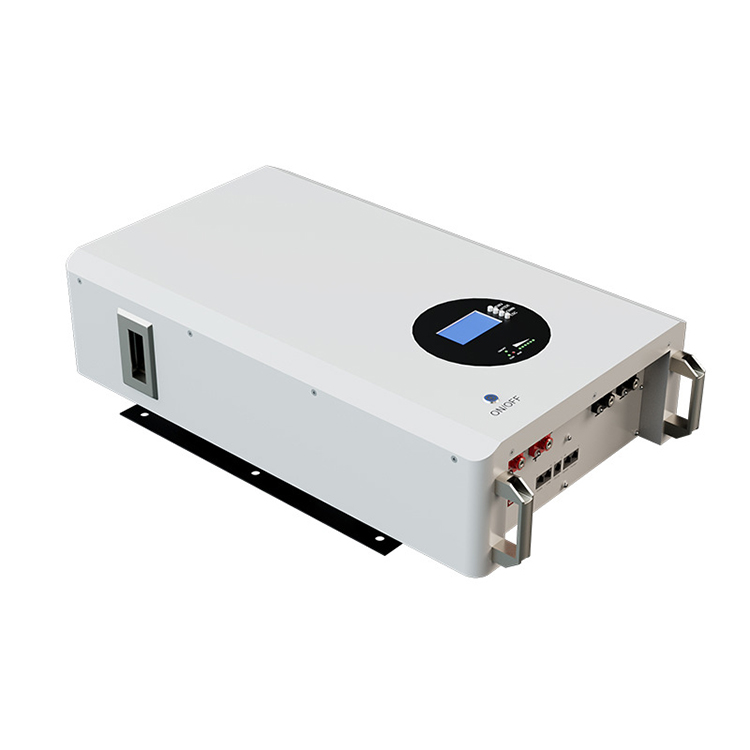
A wall-mounted battery changes how energy storage equipment is installed and integrated into residential and commercial power systems. Instead of occupying floor space, a Wall Mount LiFePO4 Battery is installed vertically against a suitable wall, creating a compact storage arrangement for locations where usable floor area is limited. For system integrators, installers, and energy storage distributors, the mounting structure is therefore an important part of product selection.
The main difference is the physical arrangement of the battery system. A conventional floor-standing battery generally requires dedicated ground space, while a Wall Mount LiFePO4 Battery uses vertical wall space for installation. This structure can be useful in garages, utility rooms, equipment areas, and other locations where floor space needs to remain available.
The battery chemistry is another key consideration. Lithium iron phosphate, commonly known as LiFePO4, is widely used in energy storage because of its cycle performance and stable electrochemical characteristics. For stationary applications, buyers typically evaluate battery chemistry together with usable capacity, operating parameters, protection functions, and expected service requirements.
The enclosure also plays an important role. A properly designed housing protects internal battery components and provides a mounting structure for installation. Manufacturers need to maintain dimensional consistency during production so that mounting points, enclosure components, and internal electrical connections remain compatible across production batches.
A Wall Mount LiFePO4 Battery normally incorporates a battery management system (BMS) to monitor and control important battery operating conditions. The BMS can monitor factors such as voltage, current, and temperature while providing protective functions for the battery system.
For energy storage buyers, the BMS is not simply an additional electronic component. Its configuration needs to correspond with the battery pack and intended application. Protection strategies can help manage abnormal operating conditions and support controlled battery operation within specified parameters.
Manufacturing quality is particularly important for BMS integration. Electrical connections, communication interfaces, wiring, and internal components need to be assembled according to the required design. Production inspection can identify connection problems or component deviations before the battery leaves the factory.
For system integrators, compatibility should also be considered. The communication protocol and system interface may need to match the inverter or energy management equipment used in the customer's energy storage system. These technical requirements should therefore be confirmed during the product specification stage.
The compact structure of a Wall Mount LiFePO4 Battery makes it suitable for several stationary energy storage applications. Residential solar energy systems can use wall-mounted batteries to store electricity generated by photovoltaic panels for later use. Commercial installations may also use battery storage to manage locally generated or purchased electricity according to system requirements.
For installers, installation space is an important practical factor. A wall-mounted configuration can keep equipment organized while leaving the floor available for other electrical or utility equipment. The actual installation method still depends on wall structure, battery weight, clearance requirements, and local electrical regulations.
Energy storage distributors may also consider wall-mounted battery systems when developing product ranges for different installation environments. A modular design can provide greater flexibility when customers require different storage capacities or system configurations.
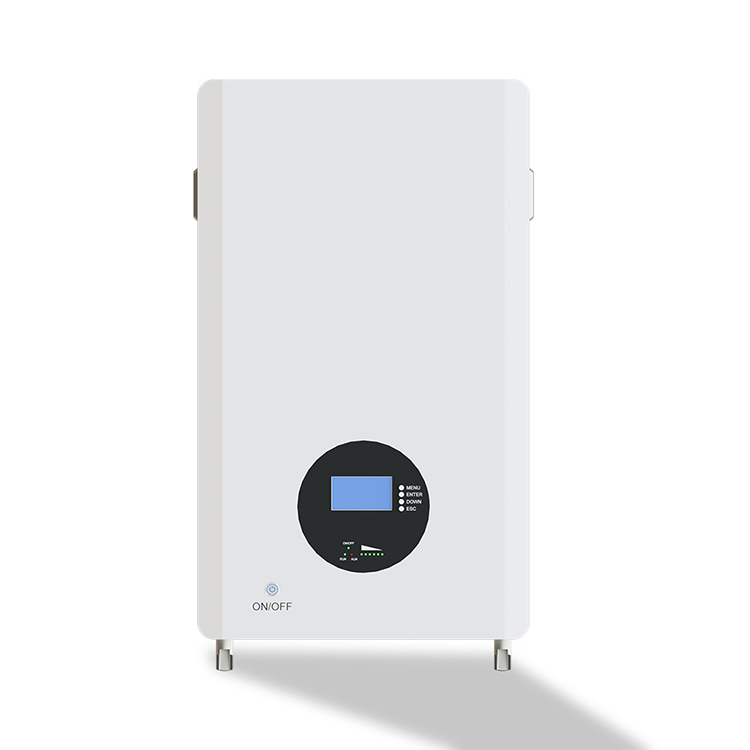
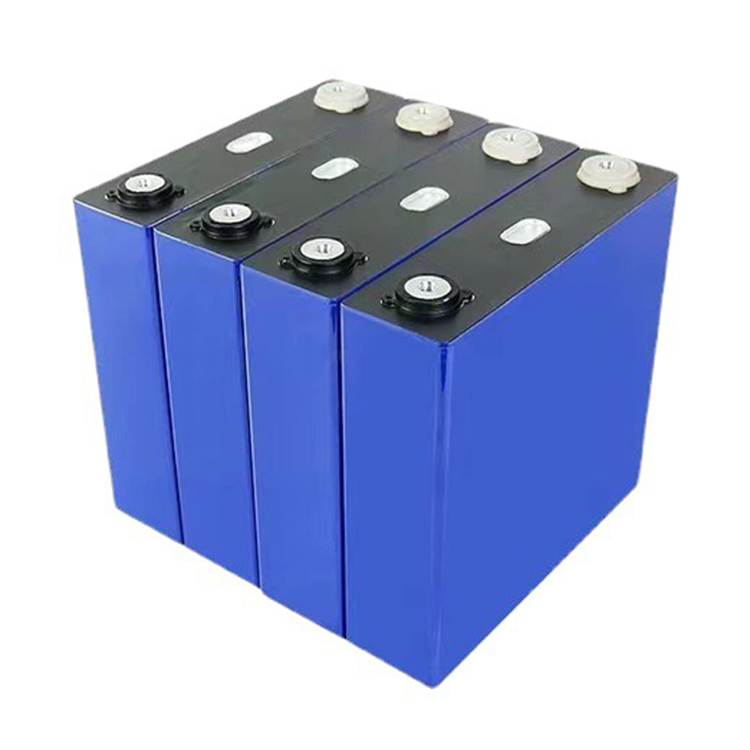
Producing a Wall Mount LiFePO4 Battery requires control over both battery components and final assembly. Cell consistency is an important starting point because differences between cells can affect the overall battery pack. Manufacturers may conduct incoming inspection and electrical testing before cells enter the assembly process.
Pack assembly requires controlled connection procedures, insulation protection, and appropriate wiring. The enclosure, BMS, terminals, and other components must be integrated according to the specified configuration.
Final inspection can include voltage checks, communication testing, appearance inspection, and functional verification. For export-oriented manufacturers, maintaining documented inspection procedures can also help buyers establish clearer quality requirements for repeated orders.
Customization can be another consideration for B2B customers. Depending on the manufacturer's capabilities, specifications such as battery capacity, enclosure configuration, communication functions, labeling, and packaging may be adjusted for different energy storage projects.
The use of LiFePO4 chemistry in stationary storage is connected with its combination of energy storage performance, cycle characteristics, and thermal stability compared with some other lithium-ion chemistries. These characteristics make it widely considered for applications where batteries are expected to operate repeatedly over an extended period.
For buyers sourcing a Wall Mount LiFePO4 Battery, however, chemistry alone should not determine supplier selection. Cell quality, BMS configuration, pack assembly, enclosure design, testing procedures, and system compatibility all contribute to the final battery system.
Manufacturers such as ZINNTU can therefore support B2B energy storage projects by combining battery assembly with electrical system integration and product customization. For distributors and system integrators, evaluating these manufacturing factors provides a more practical basis for selecting a Wall Mount LiFePO4 Battery for different energy storage applications.

 Building 1 and 2, No. 2269, Jingzhong Road, Hongjia Street, Taizhou, Zhejiang, China
  +86-18857621312
  info@zinntu.com

 English
 русский
 عربى
عربى
