
Outboard propellers are essential components of outboard motors, which are widely used in marine transportation, recreational boating, and commercial watercraft. The propeller, sometimes called a "boat prop," converts engine power into thrust, allowing a vessel to move efficiently through water. Its design, material, and performance directly influence speed, fuel efficiency, and handling. Over the years, outboard propellers have become widely adopted in both personal and commercial markets due to their practical applications and availability.
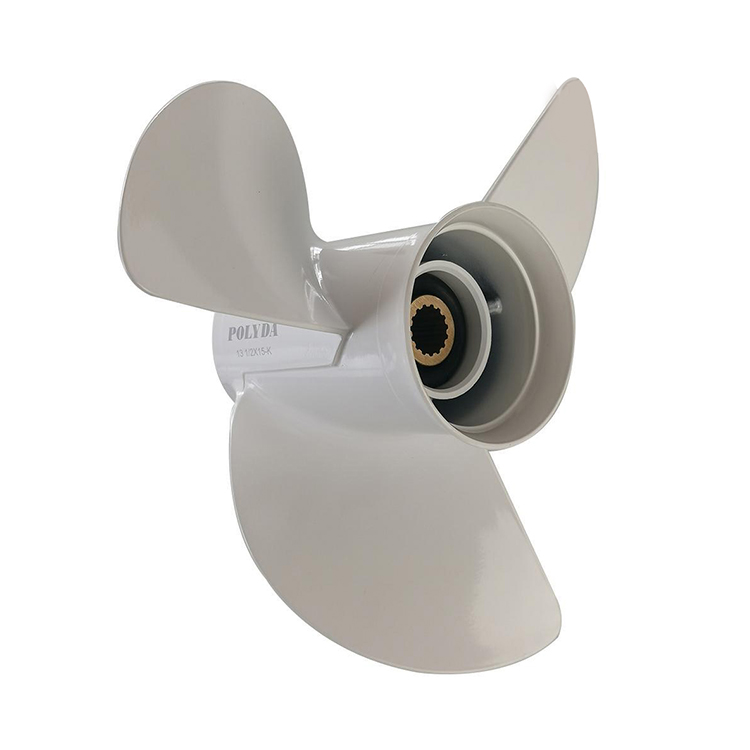
Outboard propellers are used in a variety of marine environments and for different types of vessels. Common applications include:
Recreational boating
Personal boats, fishing boats, and small pleasure craft use outboard propellers for efficient propulsion.
Adjustable pitch and diameter allow customization for speed or torque preferences.
Commercial watercraft
Ferries, tour boats, and small cargo boats utilize outboard motors with robust propellers for reliable operation.
Supports short-range transport and shallow water navigation.
Fishing and water sports
Boats used for water skiing, wakeboarding, or fishing depend on propellers that deliver consistent thrust.
Some propellers are optimized for fast acceleration or quiet operation.
Emergency and utility vessels
Rescue boats, patrol boats, and other utility vessels use durable outboard propellers to maintain maneuverability and reliability.
Emphasizes stability, load capacity, and resistance to debris or shallow water hazards.
These applications highlight the broad usability of outboard propellers and their role in both leisure and operational boating contexts.
Features Contributing to Market Popularity
Several features make outboard propellers practical and widely used in the market:
Material variety
Aluminum propellers are lightweight, cost-effective, and suitable for small to medium outboards.
Stainless steel propellers are more durable, resist corrosion, and provide higher performance, especially for larger or high-speed boats.
Size and pitch customization
Diameter and pitch adjustments allow users to optimize speed, torque, or fuel efficiency.
Multiple-blade designs (three, four, or five blades) provide different performance characteristics based on vessel type and water conditions.
Durability and corrosion resistance
Coatings and quality metals improve lifespan and performance in both freshwater and saltwater environments.
Proper material selection ensures reduced maintenance and fewer repairs over time.
Ease of replacement
Standardized fittings allow quick installation or replacement of damaged propellers.
Aftermarket options are widely available to suit different motor brands and vessel sizes.
Performance enhancement
Some propellers are designed for quieter operation, better acceleration, or improved fuel economy.
Specialized designs support performance in shallow or debris-laden waters.
These features allow manufacturers and consumers to select propellers based on performance requirements, budget, and boat specifications.
The market presence of outboard propellers is influenced by several factors:
Wide adoption of outboard motors
Many recreational and commercial boats rely on outboard engines, creating ongoing demand for compatible propellers.
Replacement and upgrade market
Propellers are frequently replaced due to wear, impact damage, or performance upgrades.
Regular maintenance and seasonal inspections support repeat purchases.
Availability of diverse options
Various sizes, materials, and blade configurations are widely available in stores and online.
Provides accessibility for both professional boaters and recreational users.
Growth in marine and water recreation
Increasing interest in boating, fishing, and water sports contributes to propeller demand.
Expansion of small commercial and utility boats in tourism or transport sectors further supports the market.
Aluminum propellers offer budget-friendly options for personal boat owners.
Stainless steel and specialty designs provide options for users seeking durability or enhanced performance.
These factors collectively support the consistent demand for outboard propellers in various markets.
Proper care and maintenance help extend the life of outboard propellers and ensure safe operation:
Regular inspection
Check for cracks, bends, or corrosion that may reduce efficiency or cause vibration.
Cleaning and lubrication
Remove debris and marine growth from blades and hub.
Lubricate propeller shafts to prevent corrosion and facilitate smooth rotation.
Damage prevention
Avoid striking submerged objects or shallow bottoms to reduce the risk of blade damage.
Replace bent or worn propellers promptly to maintain vessel performance.
Proper storage
When not in use, remove and store propellers in dry conditions to prevent rust or damage.

 Building 1 and 2, No. 2269, Jingzhong Road, Hongjia Street, Taizhou, Zhejiang, China
  +86-18857621312
  info@zinntu.com

 English
 русский
 عربى
عربى
