
What is the Main Function of a Lithium Iron Phosphate Battery?
Energy Storage
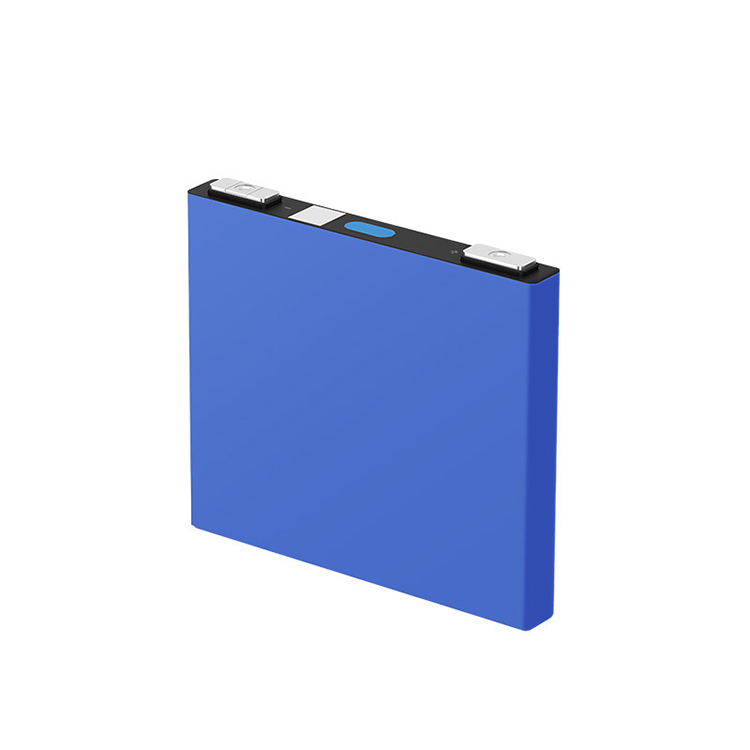
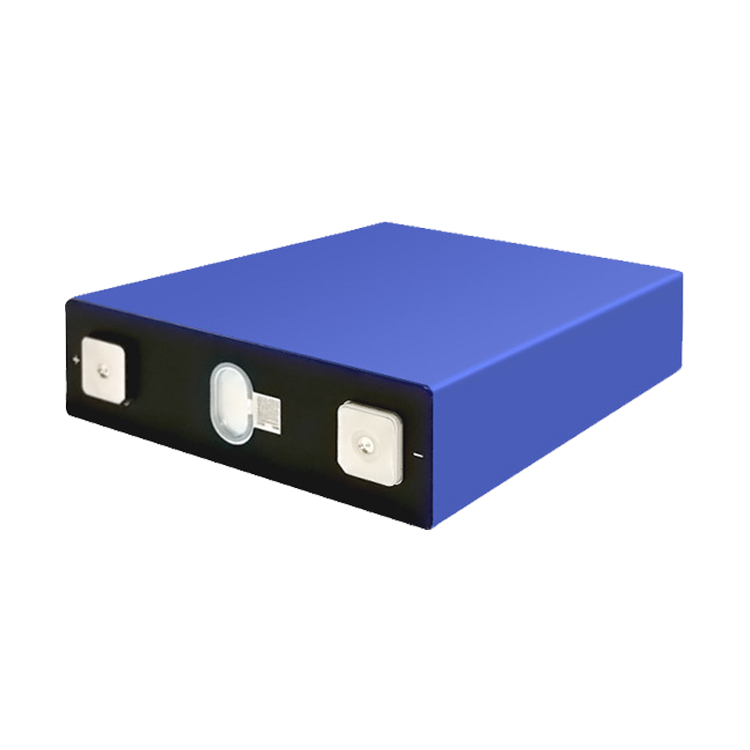
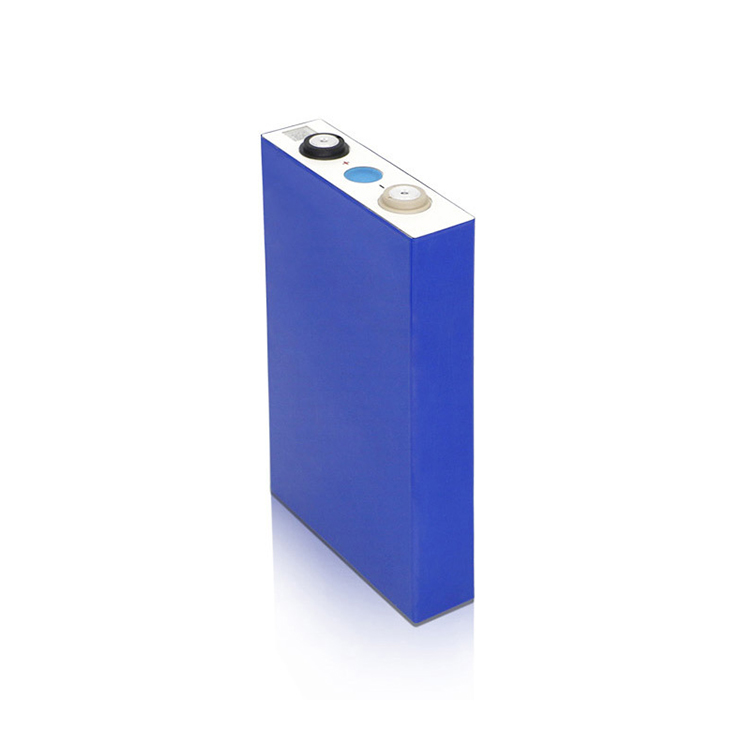
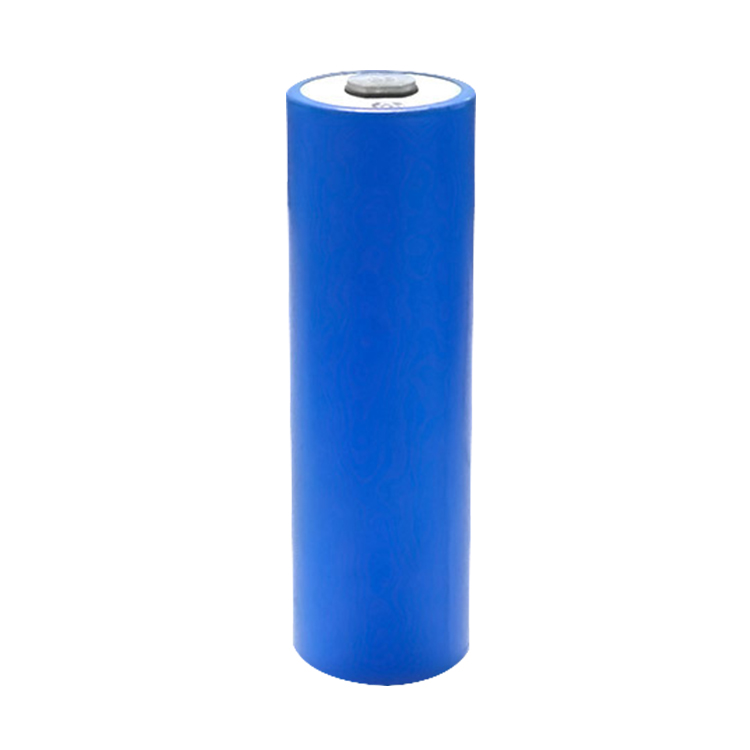
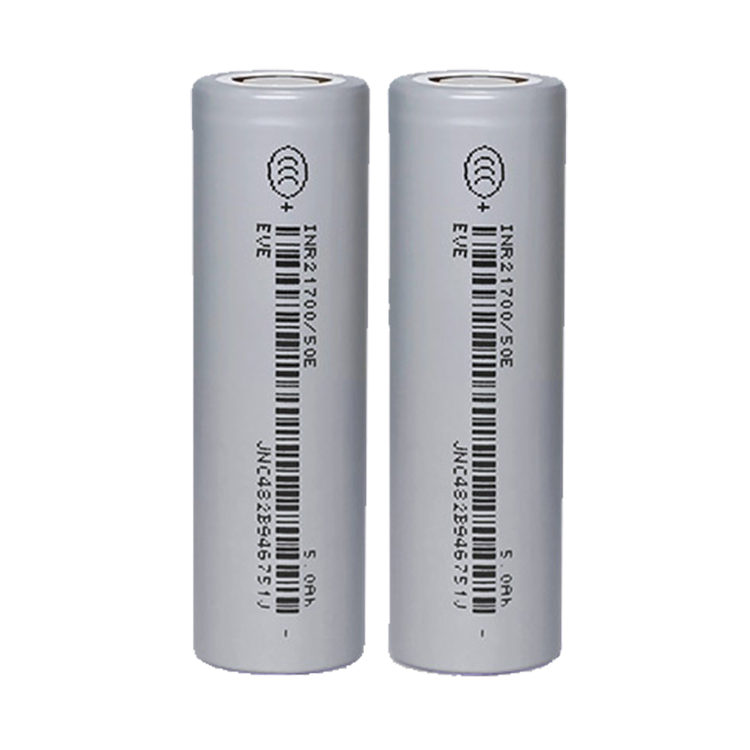
The primary function of a lithium iron phosphate (LiFePO₄) battery is to store electrical energy for later use. Like other lithium-ion batteries, it converts chemical energy into electrical energy through controlled electrochemical reactions. The positive electrode consists of lithium iron phosphate, the negative electrode is typically made of graphite, and an electrolyte allows the movement of lithium ions between the electrodes during charging and discharging.
Power Supply
LiFePO₄ batteries provide a stable and consistent source of electrical power for various applications. They are designed to deliver energy at a controlled rate to meet the requirements of the connected device or system. This includes both continuous power delivery and peak power output for short periods when higher energy demand is needed.
Support for Electrical Systems
These batteries act as a buffer and backup in electrical systems, ensuring that devices and machinery continue operating during temporary interruptions or fluctuations in external power. They also facilitate load leveling, where energy storage and discharge help stabilize power systems, preventing overloading or shortfalls.
Safety and Stability
Lithium iron phosphate batteries are chemically stable under normal operating conditions, reducing the risk of thermal runaway, fire, or explosion compared to some other lithium-ion chemistries. This makes them suitable for applications requiring reliable and safe energy storage.
What Are the Uses of a Lithium Iron Phosphate Battery?
Electric Vehicles
Lithium iron phosphate batteries are widely used in electric vehicles (EVs), including cars, buses, and scooters. Their energy storage capability supports propulsion and onboard electrical systems. EV applications benefit from the stable voltage output and consistent performance over many charge cycles.
Renewable Energy Storage
LiFePO₄ batteries are applied in renewable energy systems, such as solar or wind installations. They store excess energy generated during peak production and supply it when energy demand exceeds generation. This allows better management of renewable energy sources and increases system reliability.
Backup Power Systems
These batteries are used in uninterruptible power supplies (UPS) and emergency backup systems for homes, offices, and industrial facilities. They provide temporary power during grid outages, allowing essential equipment to operate without interruption.
What Are the Advantages of a Lithium Iron Phosphate Battery?
Long Cycle Life
One of the advantages of LiFePO₄ batteries is their relatively long cycle life. They can undergo numerous charge and discharge cycles with minimal capacity loss, making them suitable for applications requiring frequent use over extended periods.
Thermal and Chemical Stability
These batteries exhibit high thermal and chemical stability. They are less prone to overheating, combustion, or chemical degradation compared to other lithium-ion chemistries. This makes them suitable for use in electric vehicles, stationary energy storage, and other systems where safety is important.
Environmentally Friendly Materials
Lithium iron phosphate batteries use materials that are generally considered less toxic than cobalt- or nickel-based lithium-ion batteries. This reduces environmental and disposal concerns while supporting safer recycling practices.
Consistent Power Output
LiFePO₄ batteries provide a stable voltage output throughout the discharge cycle. Devices powered by these batteries experience fewer fluctuations, which is important for sensitive electronics, electric vehicles, and renewable energy systems.
Low Maintenance Requirements
These batteries require minimal maintenance compared to lead-acid or other battery types. Proper charging and storage are sufficient to maintain performance and extend service life, reducing operational costs over time.

 Building 1 and 2, No. 2269, Jingzhong Road, Hongjia Street, Taizhou, Zhejiang, China
  +86-18857621312
  info@zinntu.com

 English
 русский
 عربى
عربى
