
Rearview mirrors are essential safety components in vehicles, providing drivers with a view of the area behind the car. They help in lane changes, reversing, and general traffic awareness. Rearview mirrors can be found inside the vehicle (interior mirrors) and on the exterior (side mirrors). Their design, materials, and features affect safety, usability, and driver comfort.
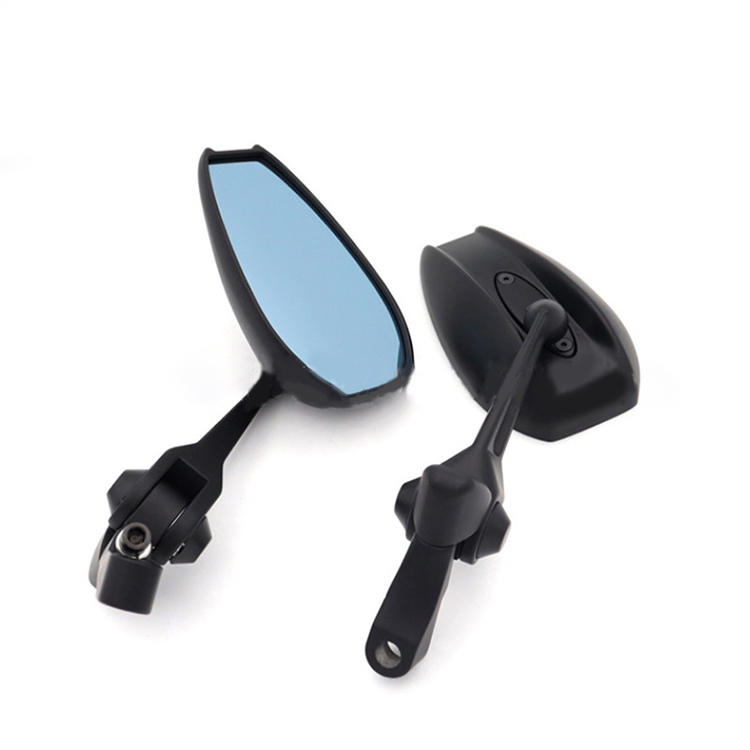
Rearview mirrors serve multiple purposes for vehicle operation and driver safety:
Interior rearview mirrors
Mounted on the windshield or overhead console to provide a direct view of the road behind.
Helps drivers monitor traffic and make informed decisions while driving.
Exterior side mirrors
Installed on the left and right sides of the vehicle.
Assist in lane changes, parking, and monitoring blind spots.
Often adjustable to provide angles for different drivers.
Specialized mirrors
Convex mirrors on buses or trucks provide wider fields of view.
Auto-dimming mirrors reduce glare from headlights at night.
Some mirrors include integrated turn signals, cameras, or heating elements.
Rearview mirrors are designed to improve visibility, reduce blind spots, and enhance safety in various driving conditions. Their functionality extends across personal cars, commercial vehicles, buses, and trucks.
Features Supporting Market Adoption
Several design features make rearview mirrors practical and widely adopted:
Adjustability
Manual or electronic adjustment allows drivers to position mirrors for visibility.
Material and durability
Glass with reflective coatings for clarity.
Plastic or metal housings to resist minor impacts and environmental exposure.
Integrated technology
Auto-dimming reduces glare at night.
Heating elements prevent fogging or frost buildup.
Built-in cameras or sensors support modern safety systems like lane departure alerts and parking assistance.
Ease of replacement
Standardized mounting systems allow repair or replacement in case of damage.
These features make rearview mirrors practical, safe, and compatible with modern vehicle designs.
Despite their usefulness, rearview mirrors can present several challenges and limitations.
Visibility Issues
Blind spots
Standard mirrors may not cover all areas, leaving blind zones on either side.
Drivers may fail to see motorcycles, bicycles, or small objects in adjacent lanes.
Glare and reflection
Headlights from other vehicles at night can cause temporary blindness or discomfort.
Manual dimming mirrors require adjustment, while automatic systems may not always respond quickly.
Weather-related visibility problems
Rain, fog, or snow can obscure mirror surfaces.
Exterior mirrors may require heating or wiping to maintain clarity.
Breakage or damage
Mirrors are susceptible to impact from other vehicles, stationary objects, or vandalism.
Cracked or detached mirrors reduce visibility and require replacement.
Loose or misaligned mirrors
Frequent vibration or improper installation may shift mirror angles, reducing their effectiveness.
Electronic failures
In mirrors with electronic adjustment, heating, or auto-dimming, malfunctions can limit usability.
Sensors or cameras integrated into mirrors may fail, impacting safety features.
Maintenance and Cost Considerations
Regular cleaning is required to ensure clear reflection.
Replacement or repair of electronic or specialized mirrors can be costly compared to standard mirrors.
Exterior mirrors exposed to environmental elements may degrade faster than interior mirrors.
Rearview mirrors are vital components for vehicle safety, assisting drivers with rear visibility, lane changes, and parking. Interior, exterior, and specialized mirrors serve different functions and are designed with adjustability, durability, and integrated technology to enhance usability. However, they also face problems such as blind spots, glare, weather interference, mechanical damage, and electronic malfunctions. Proper maintenance, careful adjustment, and timely replacement are essential to ensure mirrors remain effective and safe. Understanding both their functions and limitations allows drivers to maximize the benefits of rearview mirrors in everyday vehicle operation.


 Building 1 and 2, No. 2269, Jingzhong Road, Hongjia Street, Taizhou, Zhejiang, China
  +86-18857621312
  info@zinntu.com

 English
 русский
 عربى
عربى
