
Lithium iron phosphate (LiFePO₄ or LFP) batteries are a type of rechargeable lithium-ion battery characterized by their stability, long cycle life, and thermal resistance. Since their introduction in the mid-1990s, LFP batteries have evolved in terms of materials, design, energy density, and application scope.
Origin and Early Research: Emergence of LFP Chemistry
Lithium iron phosphate batteries appeared in the mid-1990s, following research into safer alternatives to traditional lithium cobalt oxide (LiCoO₂) batteries.
Initial Discovery: In 1996, John B. Goodenough and colleagues identified lithium iron phosphate as a potential cathode material. The olivine crystal structure offered high thermal stability and resistance to oxygen release during overcharging, addressing safety concerns present in other lithium-ion chemistries.
Early Applications: Initially, LFP batteries were used in small-scale applications such as portable electronics and power tools. Early adoption was cautious due to their lower energy density compared with lithium cobalt oxide cells.
Function: The primary advantage of the early LFP batteries was safety. Their stable chemistry reduced the risk of thermal runaway, making them suitable for applications where reliability and safety were critical.
Significance: Understanding the origin of LFP batteries highlights the shift toward safer, more stable lithium-ion chemistries that could support broader applications beyond consumer electronics.
Material Improvements: Enhancing Capacity and Stability
Material development has played a key role in advancing LFP batteries.
Cathode Refinement: Improvements in particle size, coating techniques, and doping of the cathode material have enhanced electrical conductivity and cycling efficiency. Smaller particles increase surface area, improving charge and discharge rates.
Electrolyte Optimization: Early LFP batteries used conventional electrolytes that limited operating voltage. Modern formulations improve ionic conductivity, temperature tolerance, and lifespan.
Anode Integration: Coupling LFP cathodes with graphite or lithium titanate anodes has improved energy storage, efficiency, and cycle life.
Function: Material improvements have addressed the initial limitations of LFP batteries, such as lower energy density, while retaining their inherent safety and thermal stability advantages.
Technological Development: Design and Performance Enhancements
Beyond material innovation, technological development in battery design and manufacturing has influenced the performance of LFP batteries.
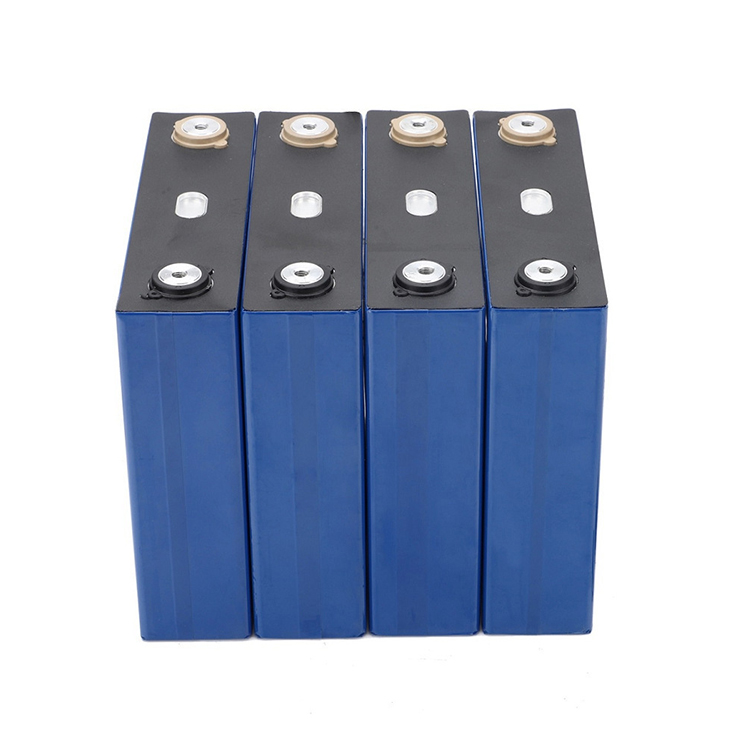
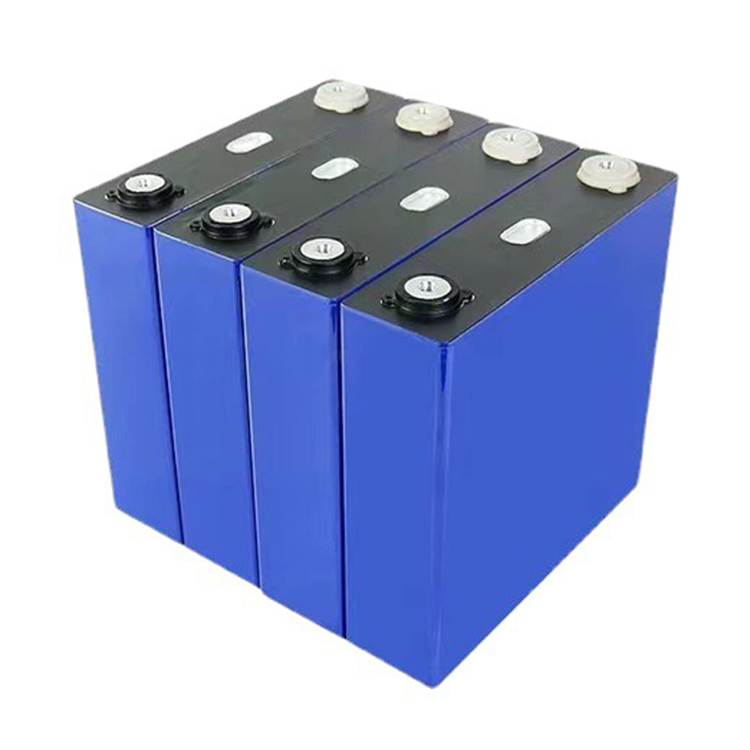
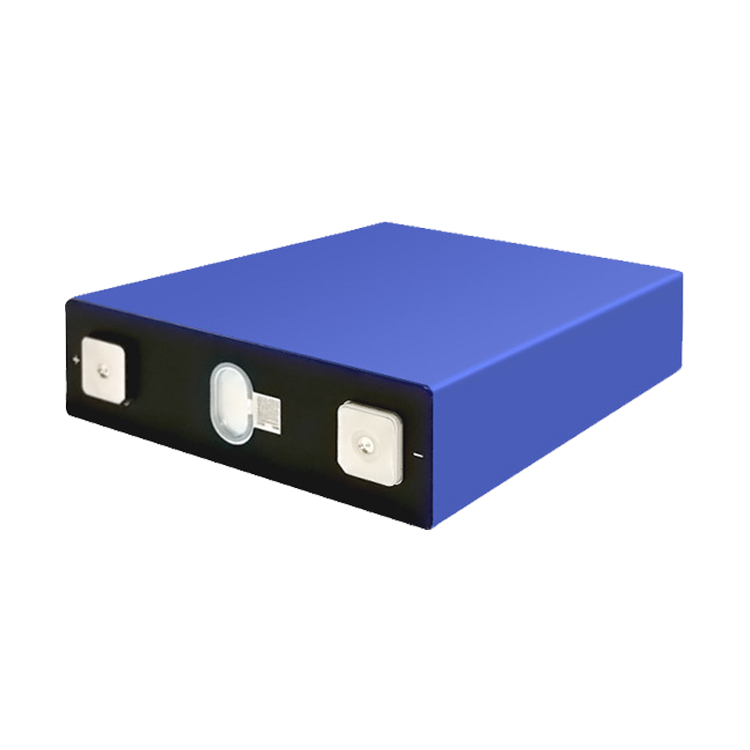
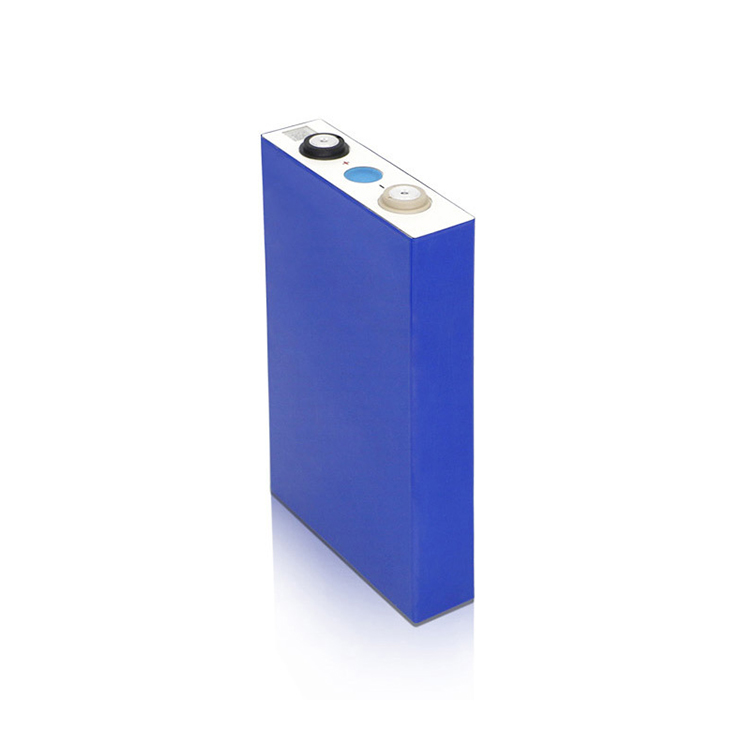
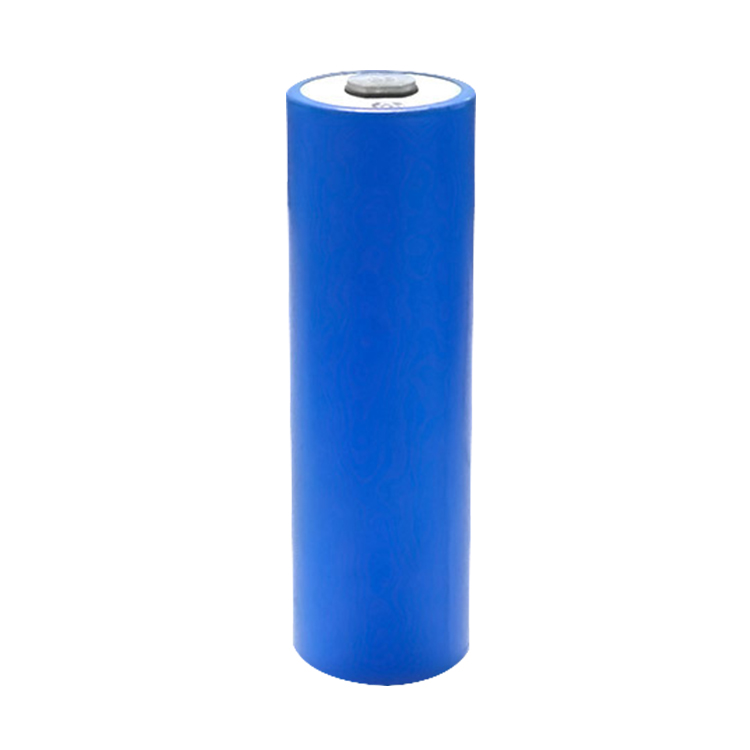
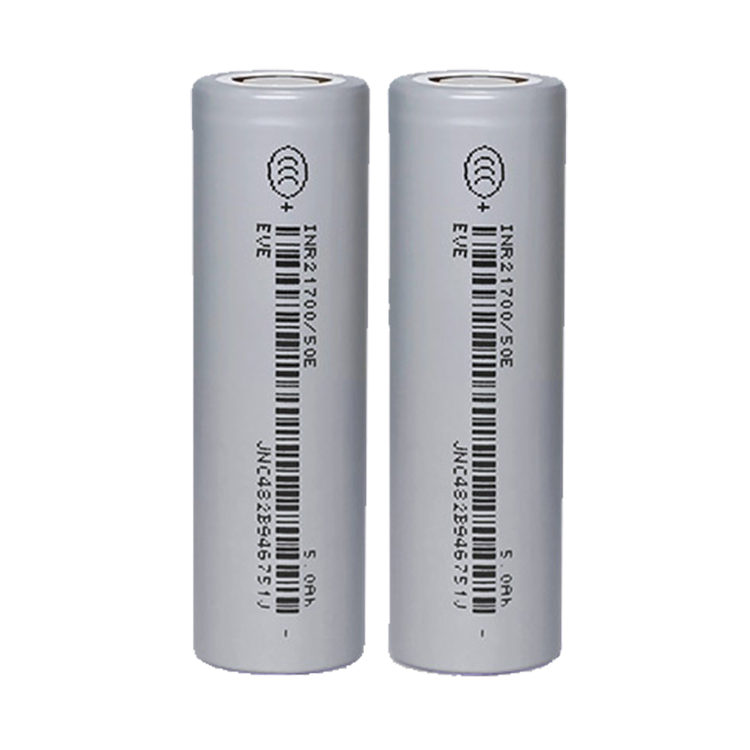
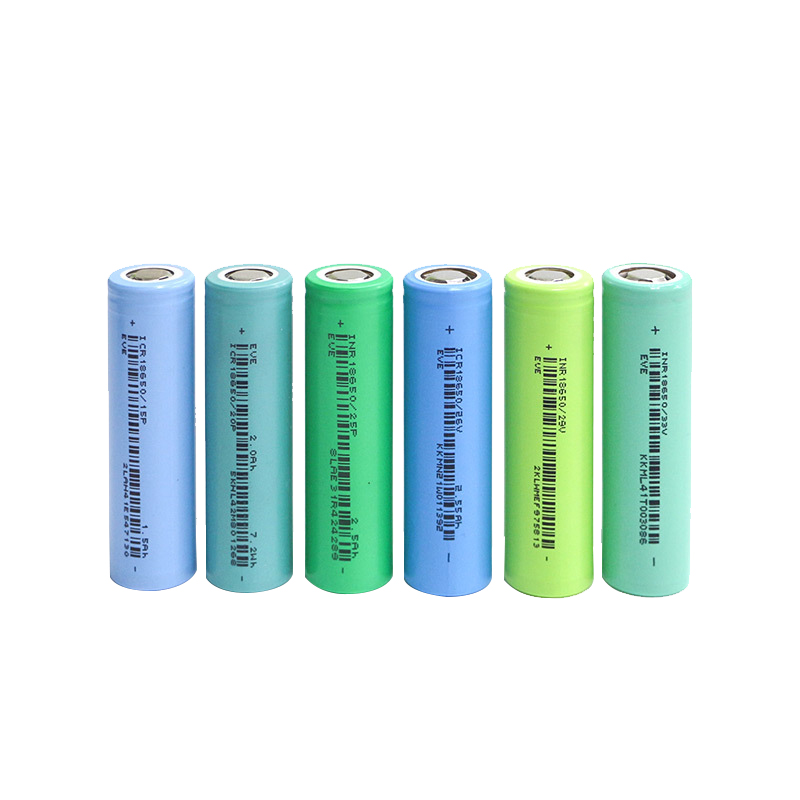
Cell Formats: LFP batteries are produced in cylindrical, prismatic, and pouch cell formats, offering flexibility in design for different applications.
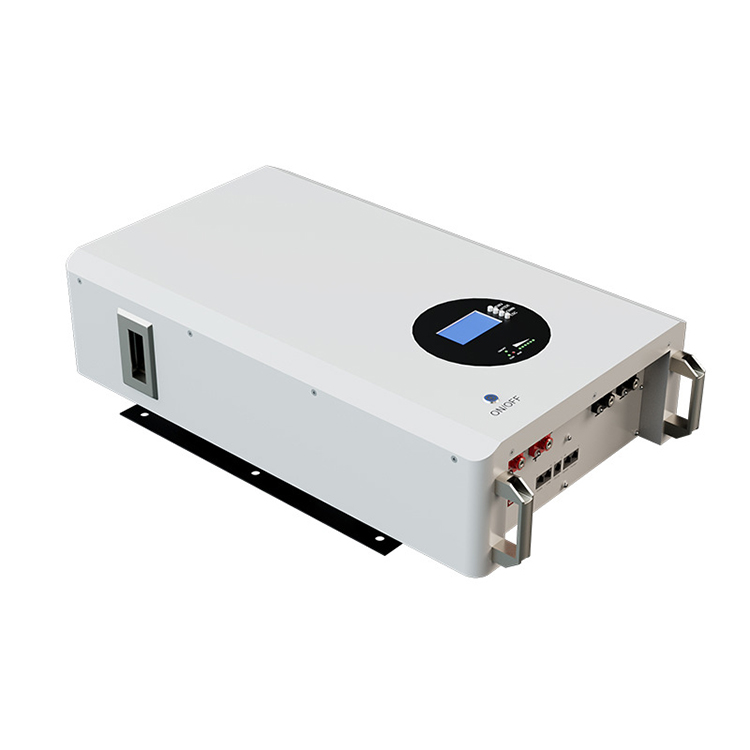
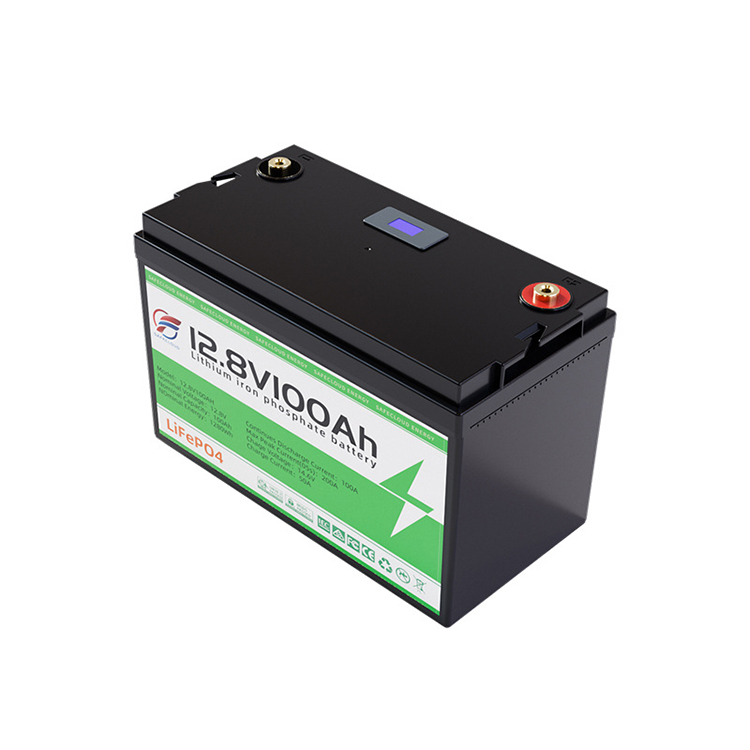
Battery Management Systems (BMS): Integration of advanced BMS improves charge and discharge control, balances cells, and protects the battery from overvoltage, undervoltage, or overheating.
Cycle Life Improvement: Modern LFP batteries can sustain thousands of charge-discharge cycles with minimal capacity loss, extending usability for long-term applications such as renewable energy storage and electric vehicles.
Function: Technological development has enhanced energy efficiency, operational reliability, and adaptability, making LFP batteries more competitive in industries requiring high-performance energy storage.
Modern Applications: Expanding Use Across Industries
The development of LFP batteries has led to widespread adoption in several sectors.

 Building 1 and 2, No. 2269, Jingzhong Road, Hongjia Street, Taizhou, Zhejiang, China
  +86-18857621312
  info@zinntu.com

 English
 русский
 عربى
عربى
