
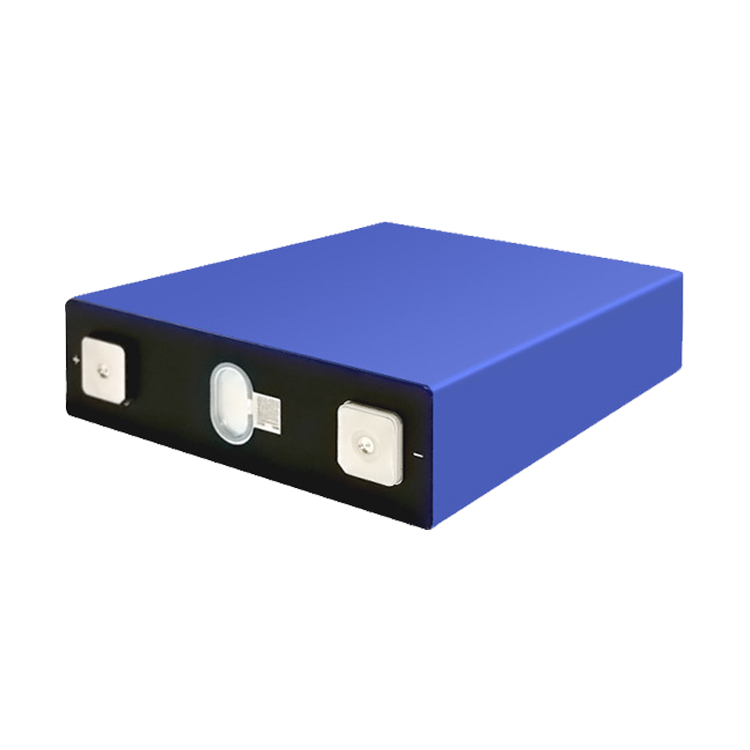
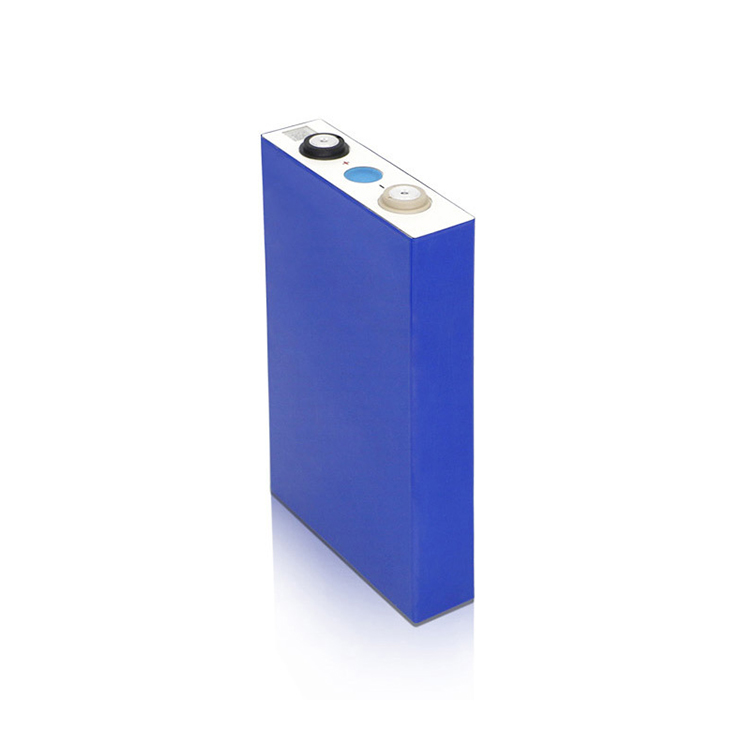
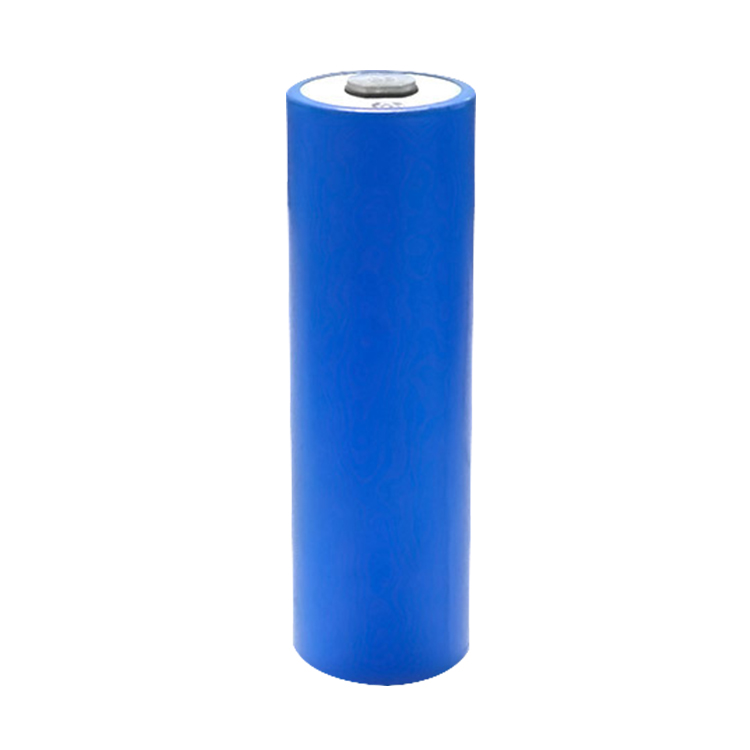
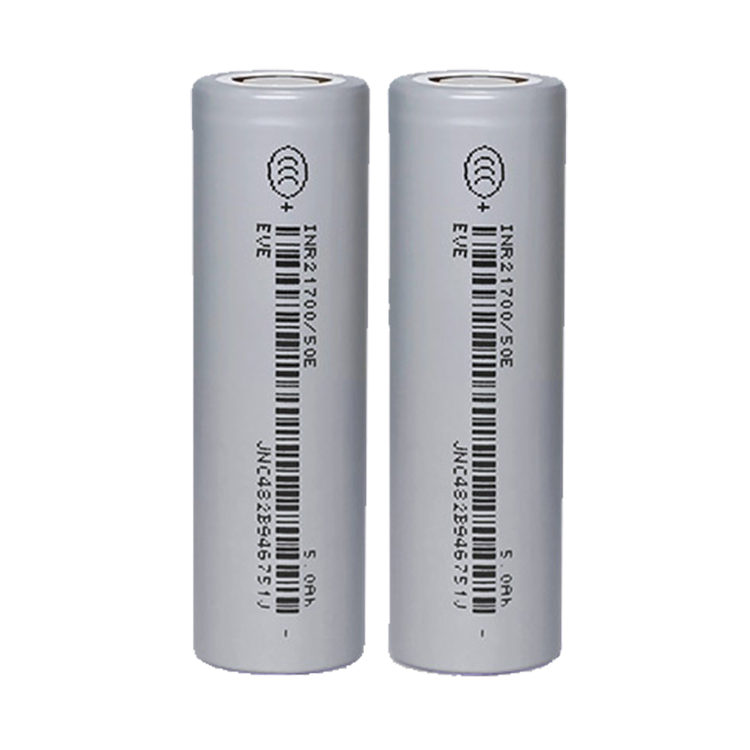
Lithium iron phosphate batteries are valued for their chemical stability and relatively low risk of thermal runaway compared with other lithium-ion batteries. The phosphate-based cathode provides consistent voltage output and good charge retention, making these batteries suitable for applications requiring steady energy delivery. LiFePO₄ batteries also exhibit long cycle life, often reaching several thousand charge and discharge cycles, which makes them suitable for repeated daily use over multiple years.
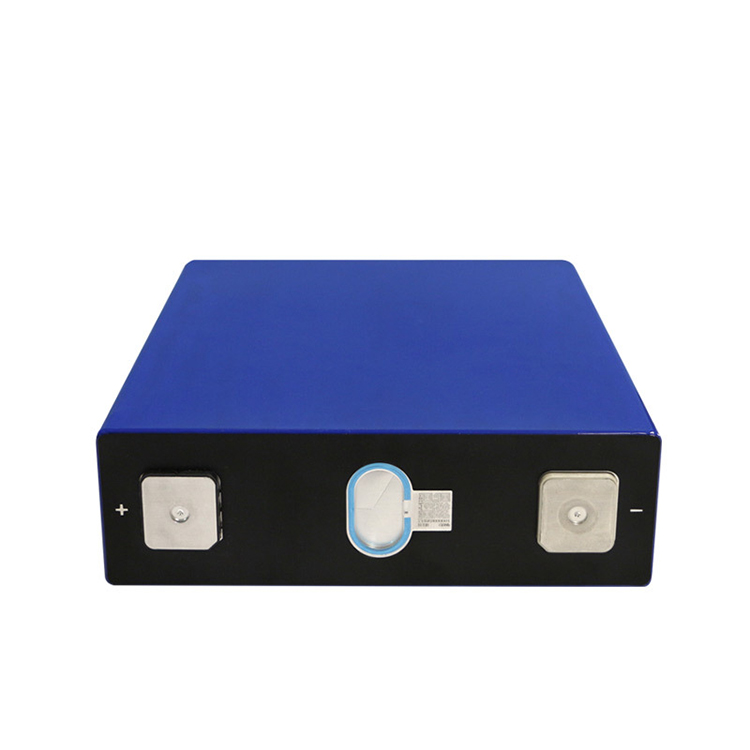
Another notable characteristic is their moderate energy density, which is lower than lithium cobalt oxide batteries but sufficient for many applications where safety and longevity are priorities. These batteries operate within a wide temperature range, typically from -20°C to 60°C, depending on the design and manufacturer specifications. In addition, lithium iron phosphate batteries have low self-discharge rates, which allows them to hold charge over extended periods without significant capacity loss. These properties make them practical for renewable energy storage, electric vehicles, and portable power systems.
How should lithium iron phosphate batteries be charged and discharged?
Proper charging and discharging practices are important to maintain the performance and lifespan of lithium iron phosphate batteries. LiFePO₄ batteries typically require a constant current/constant voltage (CC/CV) charging method. The recommended charging voltage per cell is generally around 6–65 volts, with a current that does not exceed the manufacturer’s specified limit. Overcharging or using a higher voltage can reduce battery life or cause safety issues.
During discharge, these batteries provide a stable voltage over many of their capacity, which allows connected devices to operate efficiently. However, it is important not to discharge the battery below the voltage specified by the manufacturer, often around 5–8 volts per cell. Repeated deep discharges may reduce overall lifespan, although LiFePO₄ batteries are more tolerant of deep discharges than some other lithium-ion types. Proper charging and discharging routines, along with monitoring equipment such as battery management systems (BMS), help maintain performance, ensure safety, and prevent overcharging, over-discharging, or imbalance between cells.
What are the safety considerations for using lithium iron phosphate batteries?
Safety is a key consideration for any lithium-based battery. Lithium iron phosphate batteries are generally considered safer than other lithium-ion chemistries due to their thermal and chemical stability. They are less prone to overheating, swelling, or catching fire under normal operating conditions. However, safety precautions are still necessary.
Users should avoid physical damage to the battery, exposure to high temperatures, and short-circuiting of terminals. Storing batteries in well-ventilated areas and avoiding prolonged exposure to direct sunlight can help prevent heat buildup. It is also important to use chargers and equipment compatible with LiFePO₄ batteries, as using incorrect charging devices can safety issues. A properly configured battery management system can monitor cell voltages, temperature, and current to prevent unsafe conditions. Following these precautions ensures reliable and safe use in various applications, from home energy storage to portable devices.
What are the typical applications of lithium iron phosphate batteries?
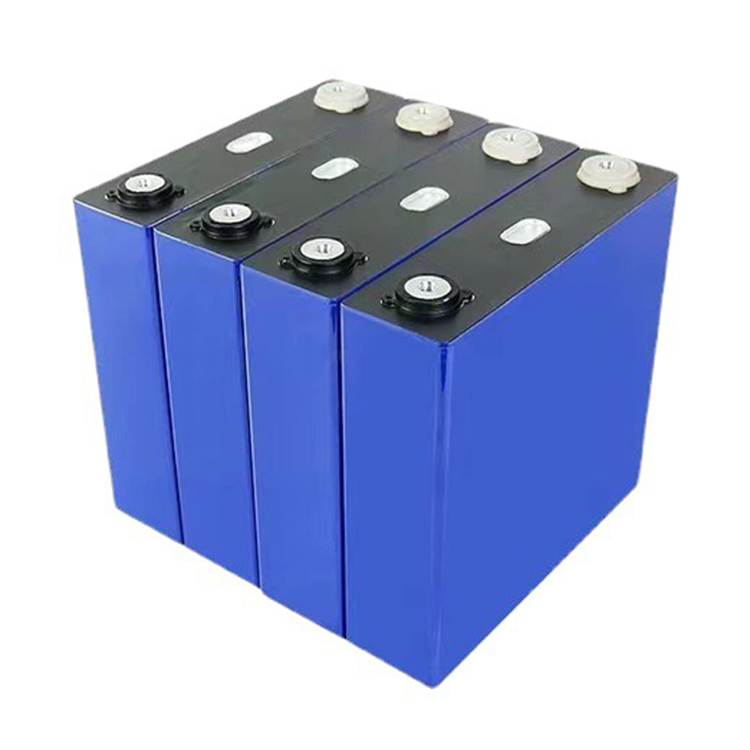
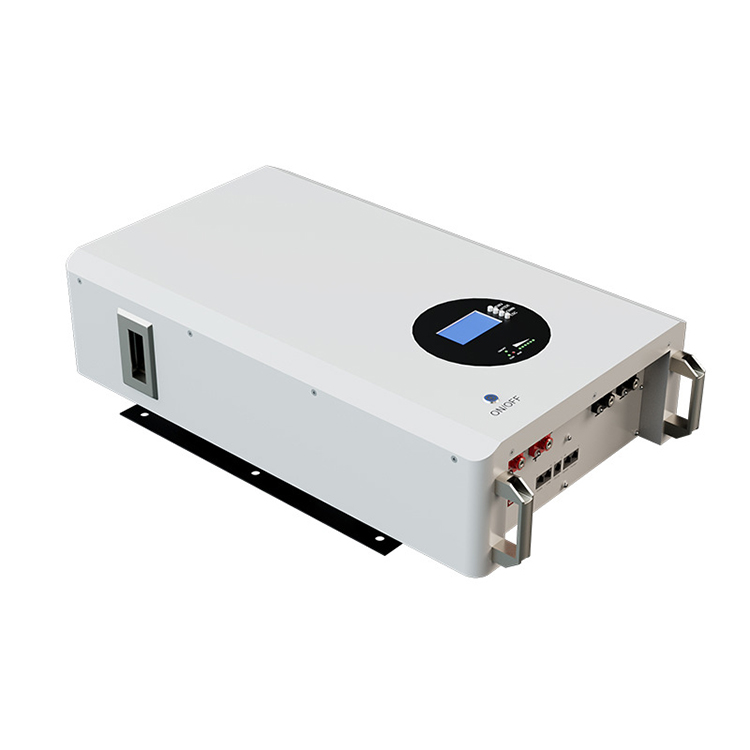
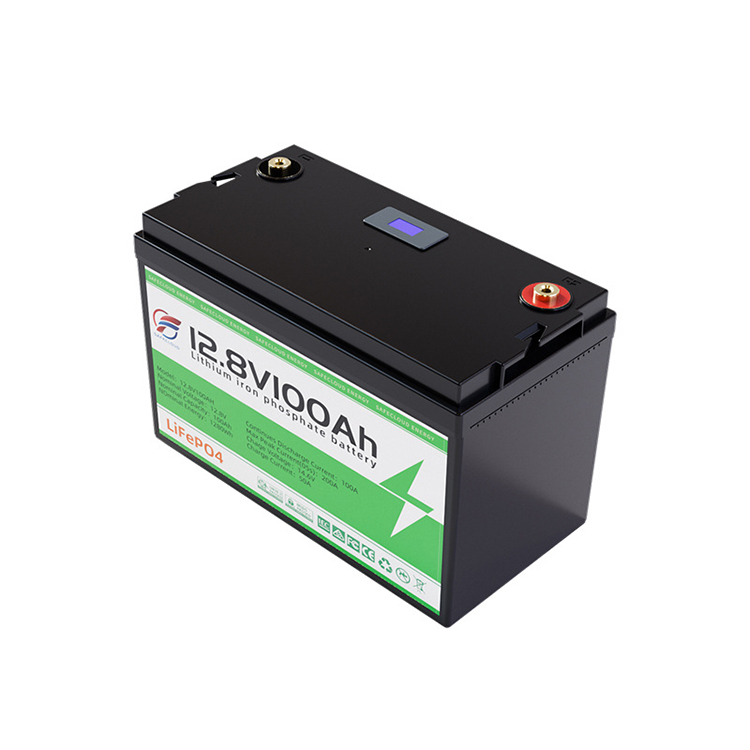
Lithium iron phosphate batteries are used in a variety of applications that require stable performance, long cycle life, and moderate energy density. In renewable energy systems, they are commonly used for solar or wind power storage, providing backup power and smoothing energy supply fluctuations. Their long cycle life and ability to operate in a wide temperature range make them suitable for this application.
In electric vehicles, LiFePO₄ batteries are used in scooters, buses, and other medium- to large-scale electric transportation, where safety and durability are important. Portable electronics such as power banks, medical devices, and camping equipment may also use these batteries, especially when reliability and long lifespan are needed. Additionally, they are used in uninterruptible power supplies (UPS) and emergency backup systems for homes and offices. The combination of stability, cycle life, and moderate energy density makes lithium iron phosphate batteries versatile for applications where safety and long-term performance are priorities.

 Building 1 and 2, No. 2269, Jingzhong Road, Hongjia Street, Taizhou, Zhejiang, China
  +86-18857621312
  info@zinntu.com

 English
 русский
 عربى
عربى
