
 English
 русский
 عربى
عربى

Industry News
Home / News / Industry News / What are the differences between Power Lithium-Ion Batteries and others?

Differences in Application Demands
Power lithium-ion batteries and general-purpose lithium-ion batteries are designed for different usage environments, which directly influence their required capabilities.
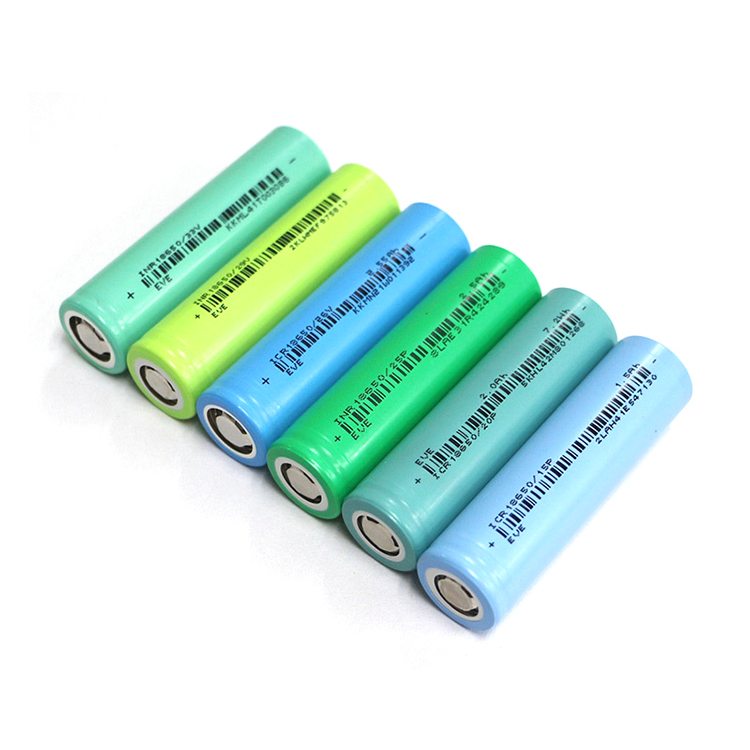
Higher power output requirements
Power lithium-ion batteries are used in electric bicycles, hybrid cars, and electric cars, where rapid acceleration requires strong bursts of energy. This means the battery must deliver high current without causing severe performance drops. For example, when a car accelerates from a stop, the power battery must sustain high current output to support motor torque.
Frequent charge–discharge cycles
Power lithium-ion batteries undergo repeated cycling over years of vehicle operation. Daily commuting involves many partial charges and discharges, and users expect stable performance. In contrast, mobile phones or tablets may only be fully charged once a day and experience lighter energy demands.
Environmental adaptability
Power batteries must function under a wide temperature range—hot summers, cold winters, and vibrations from road surfaces. For example, electric buses operating in cold regions require batteries that can still provide sufficient power at low temperatures. Consumer electronics batteries are usually used indoors or in sheltered conditions, so environmental stress is lower.
These differing demands shape how manufacturers engineer the battery cells and systems.
Differences in Performance Characteristics
Since the application goals are different, performance characteristics also vary between the two types of lithium-ion batteries.
Discharge rate capability
Power lithium-ion batteries are designed to handle high-rate discharge to meet vehicle acceleration and climbing demands. They must maintain stable voltage under high current loads. General-purpose lithium-ion batteries prioritize energy density for longer usage time but may not safely support high discharge rates.
Cycle life expectations
Power batteries often target a longer cycle life, meaning they can withstand more charge–discharge cycles before their capacity significantly reduces. Electric vehicles typically expect several years of battery service without major degradation. General-purpose batteries might show noticeable performance decline after a few hundred cycles, such as reduced phone battery life after a year of heavy use.
Safety protection standards
Due to their large capacity and power output, power lithium-ion batteries require more robust safety management. Battery thermal management systems are integrated into electric vehicles to control temperature and reduce risks. Consumer electronics, with smaller capacity, rely more on simpler protection circuits. The consequence of overheating in a vehicle battery could be more severe, so strict monitoring becomes essential.
These performance factors reflect the heavier responsibilities placed on power lithium-ion batteries in transportation and high-load devices.
Differences in Design and System Structure
Design approaches vary greatly between power lithium-ion batteries and other lithium-ion batteries to fit operational intensity and reliability requirements.
Cell structure and material selection
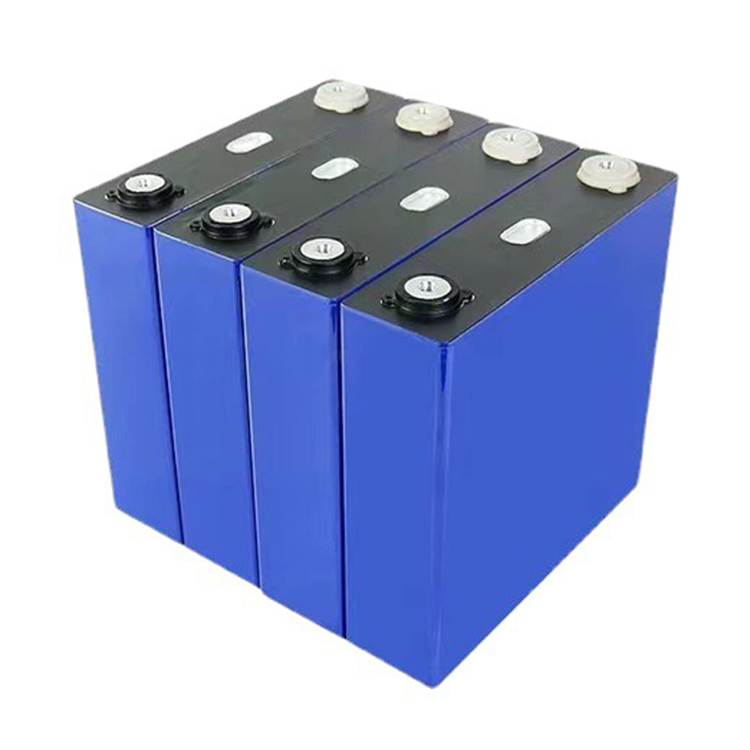
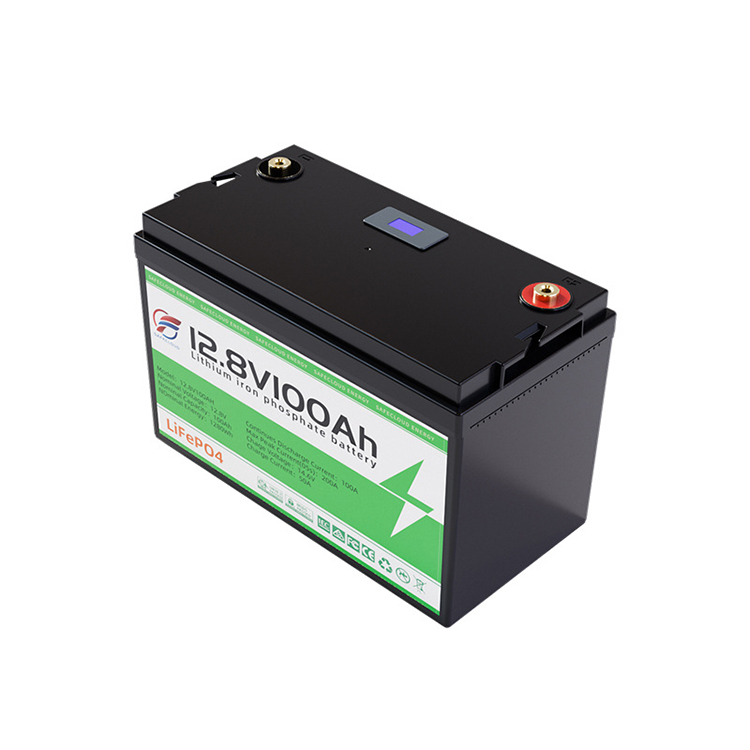
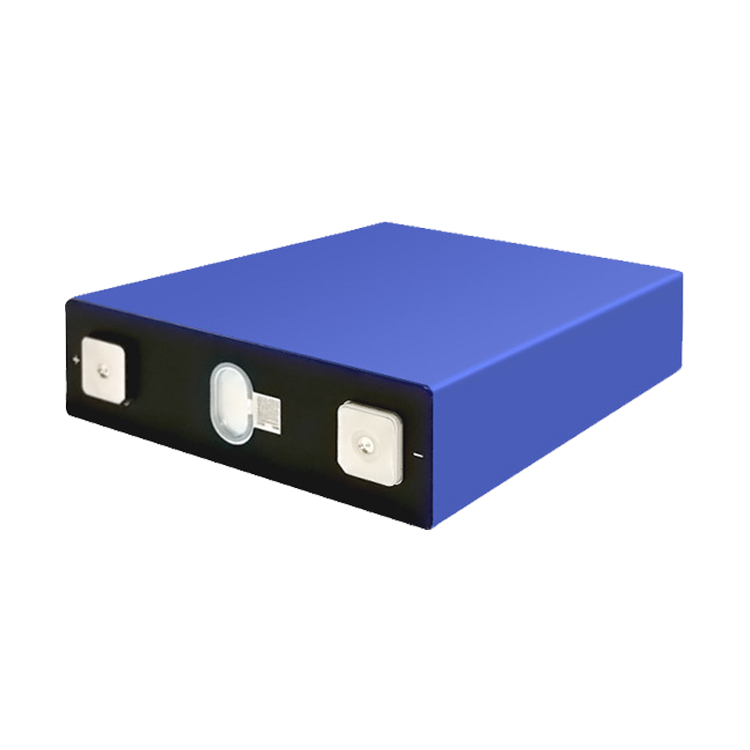
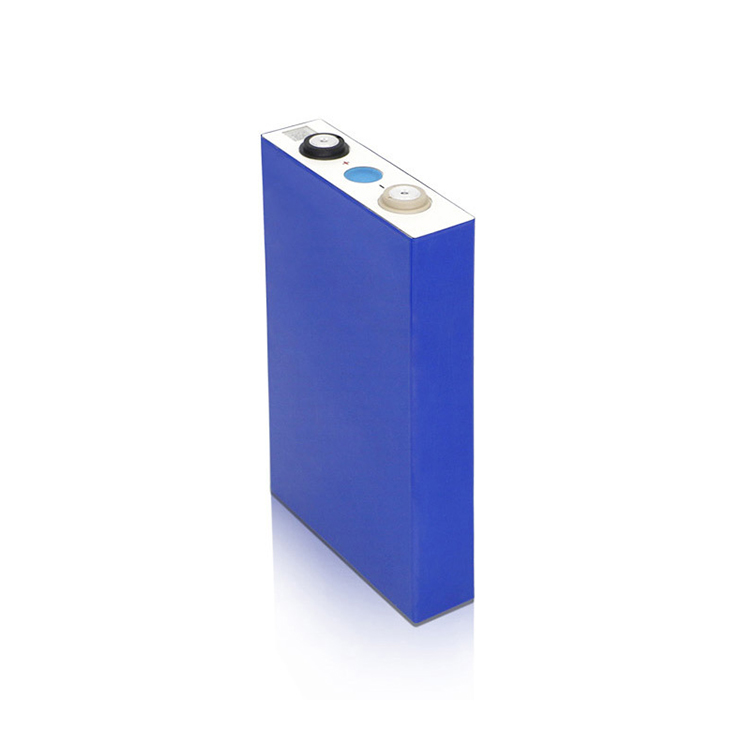
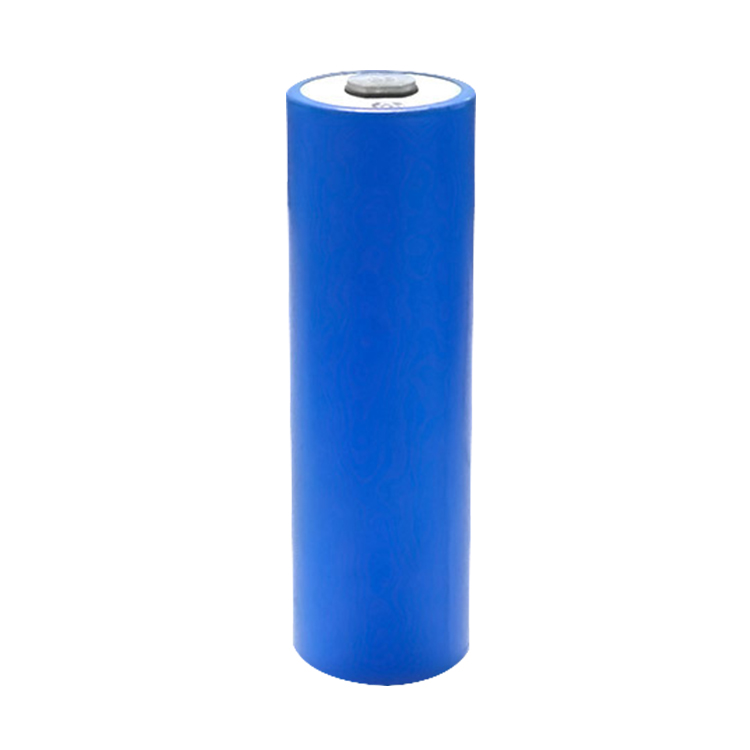
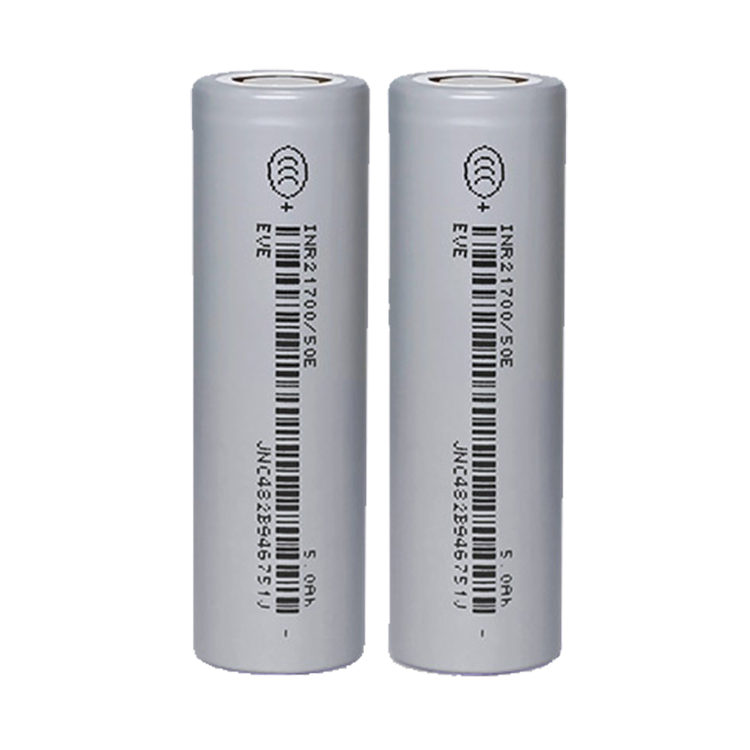
Power lithium-ion batteries often use materials that support stable high-rate performance and longer cycle life, such as lithium iron phosphate (LFP) or nickel manganese cobalt (NMC). In contrast, consumer electronics may use materials with higher energy density to maximize device operating time. The chosen materials influence thermal behavior, weight, and cost.
Battery pack architecture
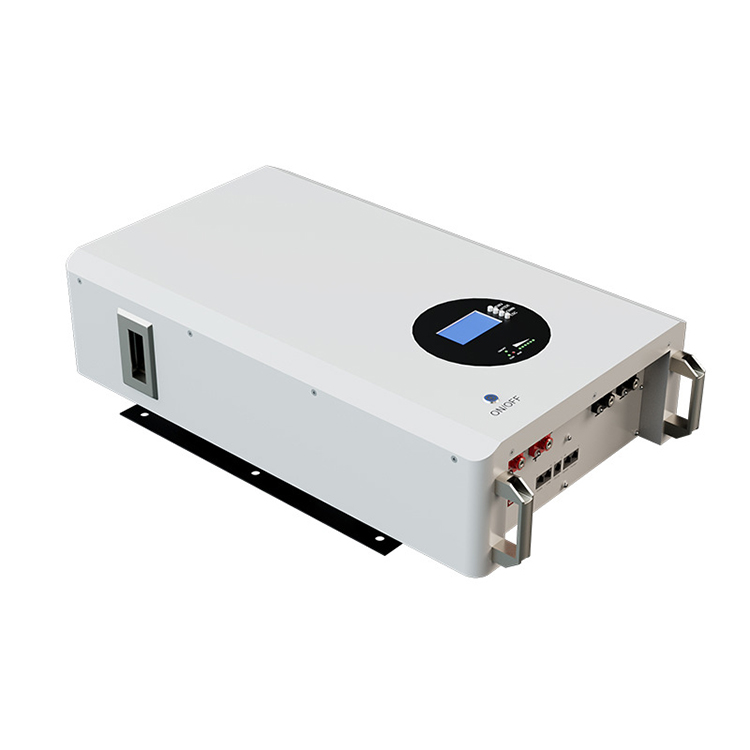
Power batteries require many cells connected in series and parallel to achieve the necessary voltage and capacity. For example, electric vehicles may have thousands of individual cells, all monitored by a Battery Management System (BMS). A laptop battery pack, by comparison, contains far fewer cells and a simpler management circuit.
Thermal management and casing
Electric vehicle batteries often include liquid or air cooling channels within the pack. The casing must resist impacts from road conditions. A household power tool may include ventilation or heat dissipation design, but it is generally smaller and lighter. Mobile phones rely on compact passive cooling, as power output demands are lower.
This structural complexity makes power lithium-ion batteries more like an integrated system rather than a single component.

 Building 1 and 2, No. 2269, Jingzhong Road, Hongjia Street, Taizhou, Zhejiang, China
  +86-18857621312
  info@zinntu.com