
Electric utility vehicle manufacturers redesigning drivetrains for improved efficiency have largely converged on brushless motor technology, with a 48V 1800W brushless motor configuration emerging as a common specification across golf carts, utility task vehicles, and light commercial platforms. This shift reflects broader engineering priorities around reduced maintenance and improved torque delivery compared to older brushed motor designs.
Torque Characteristics and Application Fit
Vehicle engineers selecting drivetrain components weigh torque delivery against vehicle weight and intended terrain, and a 48V 1800W brushless motor typically provides sufficient low-end torque for utility applications carrying moderate cargo loads across mixed terrain. Unlike combustion engines that require RPM buildup before delivering peak torque, electric motors deliver strong torque immediately from a standstill, which matters considerably for utility vehicles frequently starting and stopping while carrying loads.
Which vehicles benefit most from this specific power output remains a common question among buyers comparing drivetrain options across their product lineup. Golf carts and light utility vehicles operating primarily on flat or gently sloped terrain generally find this configuration sufficient, while heavier-duty applications involving steep grades or substantial cargo weight sometimes require stepping up to higher wattage configurations to maintain adequate performance under load.
Efficiency Gains Over Brushed Alternatives
Brushed motors lose energy to friction between the brush and commutator, a mechanical contact point absent in brushless designs. A 48V 1800W brushless motor converts a higher percentage of electrical input into usable mechanical output, translating directly into extended battery range for a given battery pack size. Fleet operators managing electric vehicle charging schedules across multiple units particularly value this efficiency gain, since reduced energy waste per vehicle compounds meaningfully across a large fleet running daily charge cycles.
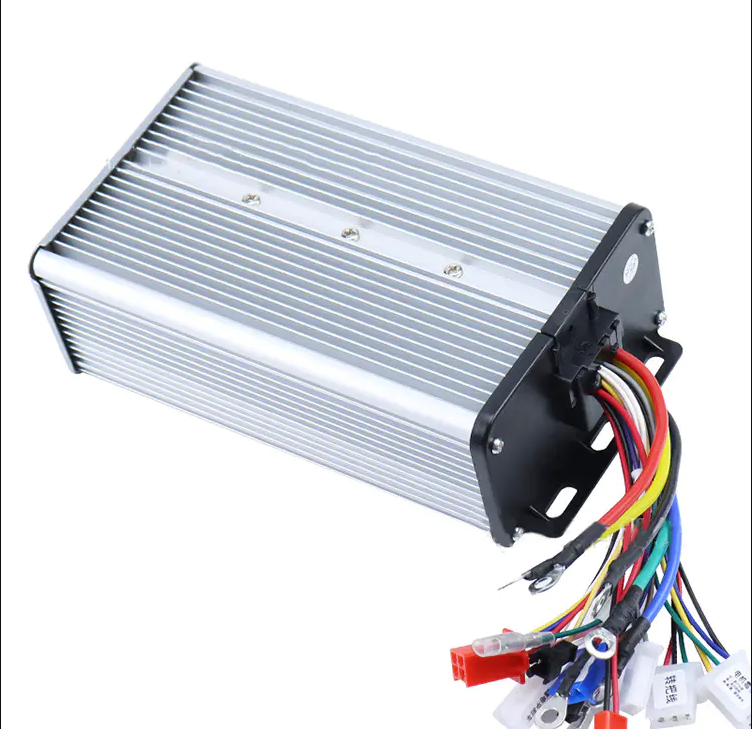
Electric vehicle controller compatibility also factors heavily into overall system performance, since motor efficiency depends partly on how well the controller manages current delivery across varying load conditions. Buyers sourcing drivetrain components increasingly request matched motor and controller pairs from a single supplier rather than combining components from different manufacturers, reducing compatibility issues that can otherwise create inconsistent performance or premature component wear.
Maintenance Reduction and Total Cost of Ownership
Removing brush contact points eliminates one of the most common wear items in traditional electric motor designs. A 48V 1800W brushless motor typically requires minimal scheduled maintenance beyond basic bearing inspection, compared to brushed alternatives that need periodic brush replacement as contact surfaces wear down through normal operation. Fleet managers calculating total cost of ownership across vehicle lifecycles increasingly factor this reduced maintenance burden into purchasing decisions, sometimes justifying a higher upfront component cost against lower service expenses over several years of operation.
Heat management remains an important consideration even with reduced friction losses, since sustained high-load operation still generates heat that controllers and motor housings need to dissipate effectively. Manufacturers designing utility vehicles around this motor specification typically incorporate housing designs with adequate airflow, recognizing that thermal performance directly affects both motor longevity and sustained power output during extended operation.
Integration Considerations for Vehicle Builders
Vehicle builders integrating a 48V 1800W brushless motor into new platform designs need to coordinate motor mounting, controller placement, and battery system voltage compatibility early in the design process rather than treating drivetrain selection as a late-stage decision. Mounting bracket design affects vibration transfer into the vehicle chassis, and builders working with experienced motor suppliers often benefit from engineering guidance during this integration phase rather than solving fitment issues independently after component delivery.
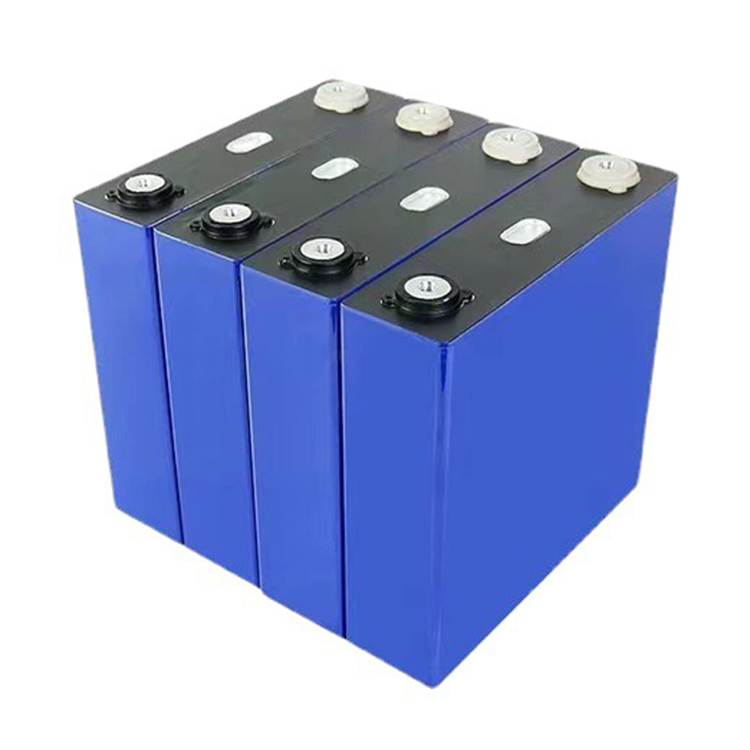
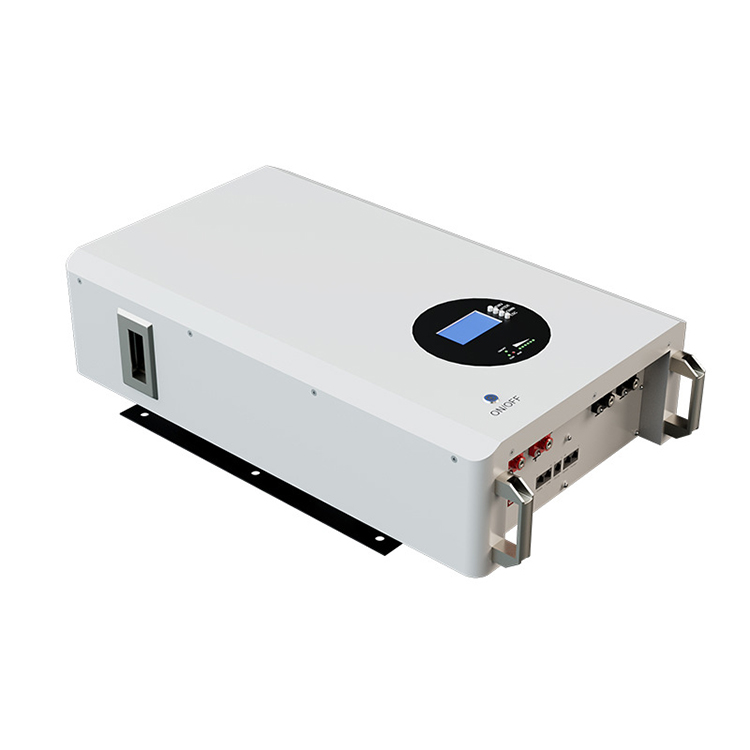
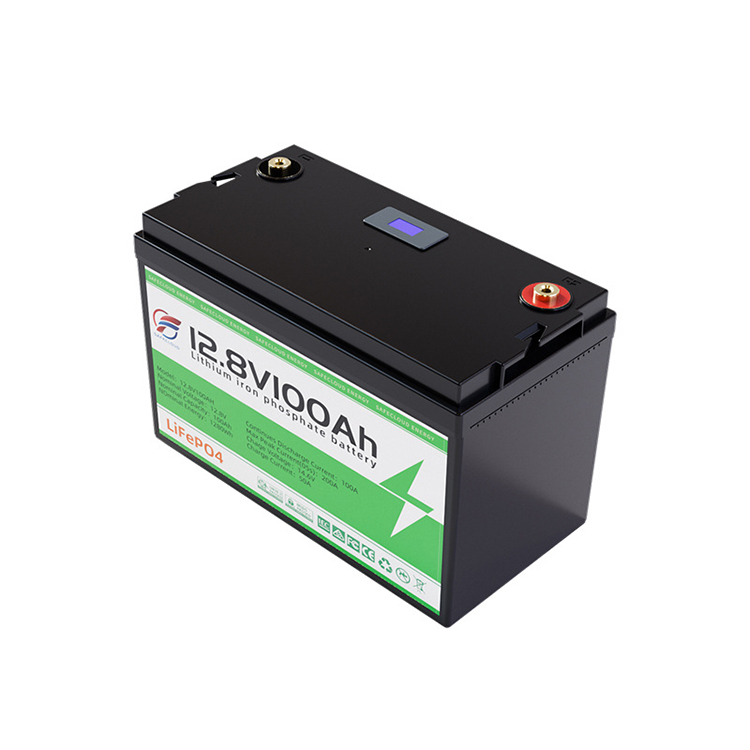
Battery pack sizing also needs to align with motor specifications to achieve target range and performance figures, since an undersized battery pack paired with this motor configuration can limit real-world performance regardless of the motor's rated output capability.
As electric utility vehicles continue replacing combustion-powered equivalents across commercial and recreational markets, drivetrain component selection has become a central engineering decision shaping vehicle performance, maintenance costs, and long-term reliability across entire product lines.

 Building 1 and 2, No. 2269, Jingzhong Road, Hongjia Street, Taizhou, Zhejiang, China
  +86-18857621312
  info@zinntu.com

 English
 русский
 عربى
عربى
