
Look at any commercial electricity bill, and you will find a line item called demand charges. Unlike residential bills that charge only for total kilowatt-hours, many businesses pay extra for the single better hour of power use each month. That is where a wall mount lifepo4 battery changes the math.
During peak hours, a facility might run compressors, lighting, and HVAC all at once. The utility sees that spike and bills for it all year. A wall mount lifepo4 battery discharges during those short, expensive windows. It shaves off the top of the demand curve. Over twelve months, that simple action can cut total electricity costs by 20% or more for some warehouses and workshops.
Floor space costs money. A battery cabinet sitting in the middle of a storage area or blocking a maintenance aisle is not ideal. A wall mount lifepo4 battery mounts up and out of the way. It leaves the floor clear for forklifts, pallets, or workbenches.
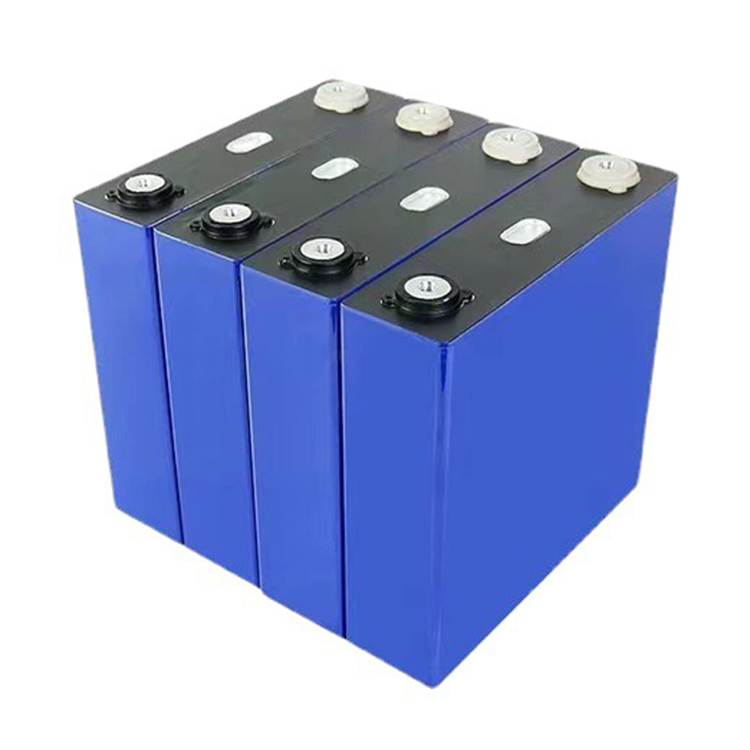
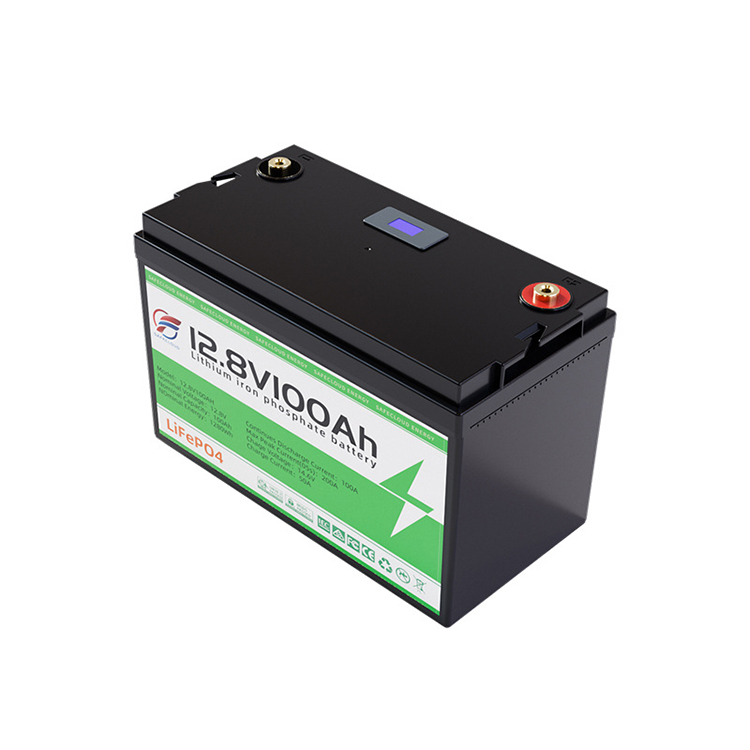
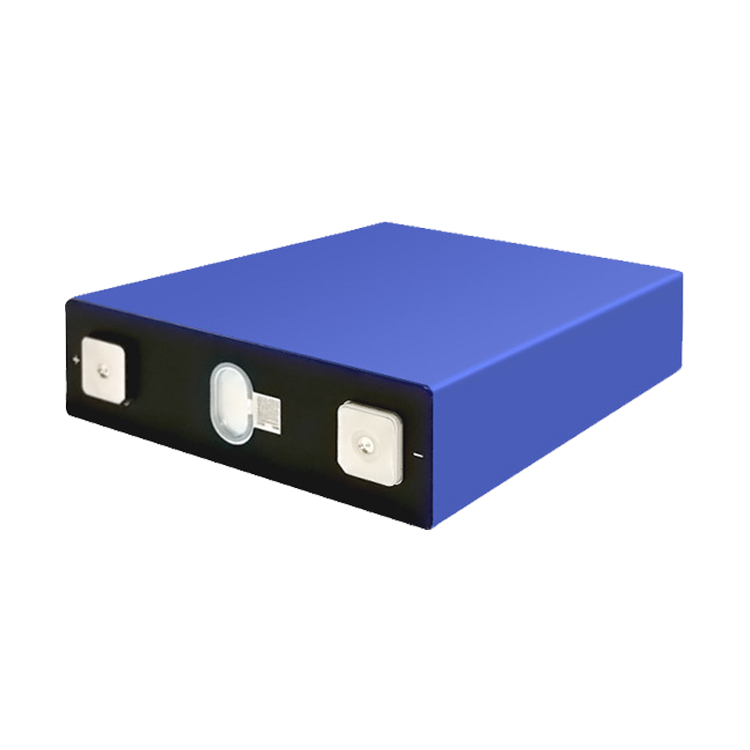
The chemistry inside also matters. LiFePO4 handles partial charging better than many older battery types. A commercial wall mount lifepo4 battery might charge in the morning, discharge at noon, and charge again in the afternoon. That kind of flexible cycling would shorten the life of some other chemistries. For LiFePO4, it is normal daily work.
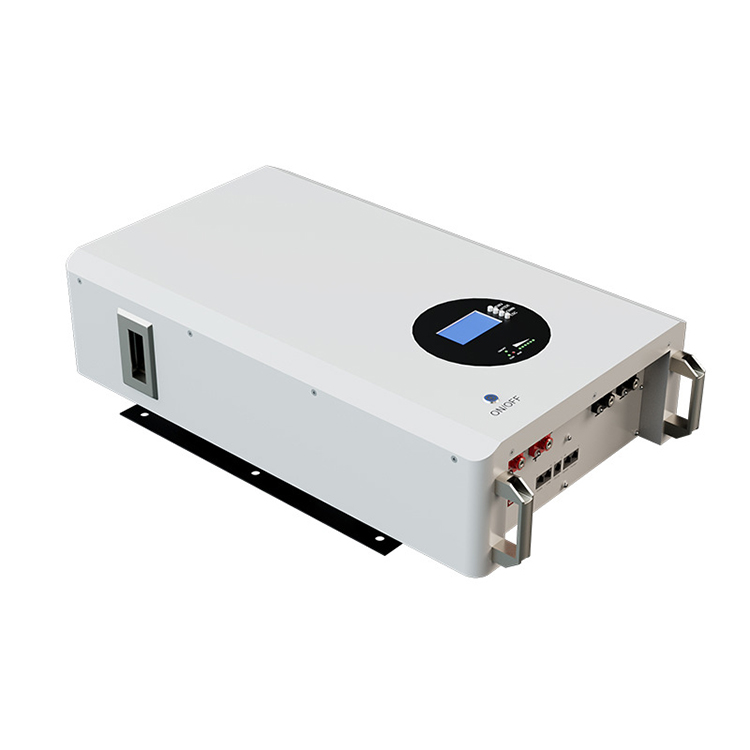
Scenario one: a small manufacturing shop runs welding equipment and air compressors. Both pull heavy current. The utility demand charge hits every time an employee starts a weld cycle. A wall mount lifepo4 battery senses the load and releases stored power instantly. The facility never sees the spike. The owner sees lower bills.
Scenario two: a remote telecom shelter needs reliable power but has no room for floor cabinets. The equipment shelter is already crowded with radios and backup gear. A wall mount lifepo4 battery hangs on the back wall, taking zero floor space. It charges from a small solar array on the shelter roof. When grid power fails, the battery keeps the communication link alive.
Scenario three: a rural warehouse suffers from voltage sags. Every time the local grid dips, the refrigeration controllers reset. That ruins food inventory. A wall mount lifepo4 battery acts as a buffer. It smooths out incoming power. The controllers never see the sag. The product stays cold.
| Feature | Generator | Floor Battery Cabinet | Wall-Mount LiFePO₄ Battery |
| Floor Space Used | Yes | 4–6 sq ft | Zero |
| Noise During Operation | High | None | None |
| Fuel or Maintenance | Weekly checks | Limited | Limited |
| Response Time | Seconds | Milliseconds | Milliseconds |
| Weather Dependence | Fuel supply | None | None |
| Better For | Long outages | Large facilities | Small to mid commercial |
The table shows why a wall mount lifepo4 battery fits differently than traditional solutions. It is not a generator replacement for three-day blackouts. It is a tool for daily peak shaving, voltage support, and short backup events.
Common questions about a wall mount lifepo4 battery come down to three things: lifespan, safety, and integration.
Lifespan: A quality wall mount lifepo4 battery will cycle 4,000 to 6,000 times before hitting 80% capacity. That means ten to fifteen years of daily use for many commercial applications.
Safety: LiFePO4 does not experience thermal runaway the way some other lithium chemistries do. A wall mount lifepo4 battery can be installed inside mechanical rooms without special fire suppression.
Integration: Many units communicate via CAN bus or RS485. A wall mount lifepo4 battery should talk to existing solar inverters or building management systems without custom work.
For facility operators, these three factors matter more than the price per kilowatt-hour.
Let us compare a wall mount lifepo4 battery to a standard lead-acid backup system over a five-year period. The lead-acid setup costs less upfront. But it requires watering, equalization charges, and replacement around year three. Two lead-acid purchases in five years plus maintenance time adds up.
The LiFePO4 system costs more on day one. But a wall mount lifepo4 battery runs unattended. No watering. No equalization. No acid spills on the floor. After five years, the lithium system still works. The lead-acid unit has been hauled to recycling.
For businesses that pay employees to maintain equipment, the labor savings alone can justify the switch.
If you specify or install commercial power systems, a wall mount lifepo4 battery gives you a solution for tight spaces. Many older buildings have no dedicated battery room. Mechanical closets are full. Electrical panels are crammed together. A wall-mounted unit slips onto existing wall space that nothing else uses.
The modular design also helps. Start with one wall mount lifepo4 battery for a small customer. When that business grows, add a second unit next to the first. Wiring stays simple. The control system sees the pair as one larger battery. No re-engineering needed.
A wall mount Lifepo4 battery is not the right choice for every site. For facilities that need three days of backup power, a generator still makes sense. But for daily peak shaving, voltage support, and short-duration backup, wall-mounted LiFePO4 systems are hard to beat.
They save floor space. They run without maintenance. They last through a decade of daily cycling. And they quietly cut demand charges month after month. For facility managers tired of paying utility penalties for power spikes, a wall mount lifepo4 battery offers a practical, installable answer.


 Building 1 and 2, No. 2269, Jingzhong Road, Hongjia Street, Taizhou, Zhejiang, China
  +86-18857621312
  info@zinntu.com

 English
 русский
 عربى
عربى
